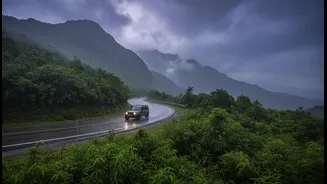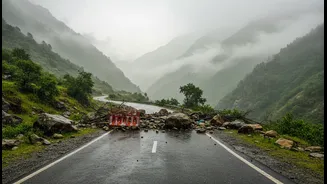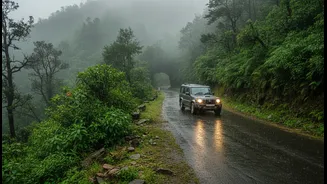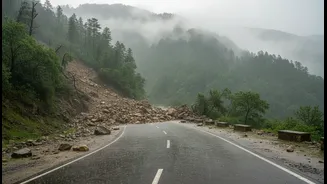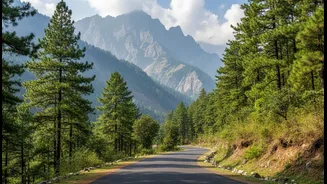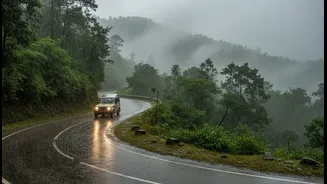




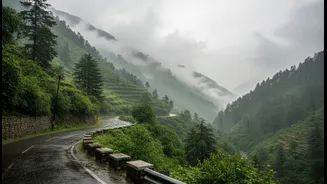
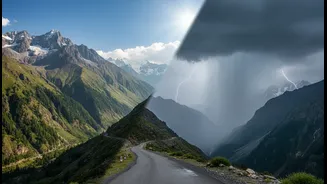


Understanding the Monsoon's Reality
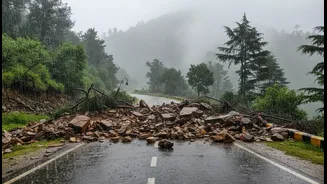
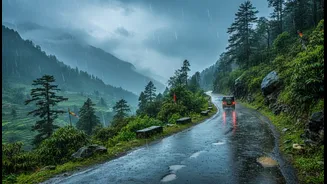
The monsoon season, typically from July to September, transforms Himachal into a vibrant, green paradise with fewer crowds. However, the same rains that bring the landscape to life also create significant hazards. The India Meteorological Department (IMD)
has issued alerts for heavy rainfall across the state for July 2026. Heavy downpours can trigger landslides, flash floods, and cause rivers to swell dangerously, making road travel unpredictable and risky. Key highways like NH-5 (Kalka-Shimla) and NH-3 (Mandi-Kullu) are particularly vulnerable to blockages. The monsoon officially covered the entire state by July 1, 2026, and authorities are on alert, advising caution for all residents and tourists.
Your Pre-Trip Planning Checklist
A safe trip begins before you even leave home. First, closely monitor weather forecasts from reliable sources like the IMD. Avoid travelling during periods with 'Orange' or 'Red' alerts, which signify a higher risk of severe weather. It is not the right time for a rushed, tightly packed itinerary. Instead, plan a slower-paced trip with buffer days to accommodate potential delays from road closures. Booking refundable hotels and flights provides a financial safety net if plans must change. Inform your family or friends of your detailed itinerary and establish regular check-in times.
Choosing Safer Destinations and Routes
Not all of Himachal is equally affected by the monsoon. Rain-shadow regions like Spiti and parts of Lahaul receive significantly less rainfall, making them relatively safer options, though reaching them still requires checking road status. If heading to Spiti, the Shimla-Kinnaur route is generally considered more stable than high passes from the Manali side. For those preferring more accessible areas, well-connected towns on stable ridges like Kasauli or parts of Shimla and Dharamshala can be good bases for relaxed stays. It is crucial to avoid areas with a known history of frequent landslides, such as the Mandi-Kullu corridor and remote parts of Chamba and Kinnaur during heavy rain alerts.
On the Road: Navigating with Caution
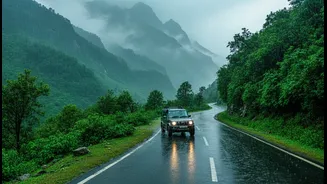
Driving during the monsoon demands your full attention. The golden rule is to avoid driving at night. Poor visibility due to fog and rain, combined with the risk of fresh landslides, makes it extremely hazardous. Always check the real-time road status with local police or the Public Works Department before starting your day's journey. Trust the advice of local, experienced drivers over GPS shortcuts, which may lead to unsafe, narrow roads. Maintain a safe distance from rivers and streams, as water levels can rise suddenly without warning. Never attempt to cross a road that is flooded or covered in flowing debris.
Essential Monsoon Packing List
Your packing list needs to prioritize practicality and safety. A sturdy raincoat or poncho is far more effective than an umbrella against mountain winds. Pack quick-drying clothes and waterproof footwear with excellent grip to navigate slippery paths. To protect your belongings, use a waterproof backpack cover and seal electronics and clothes in plastic or zip-lock bags. Essential items that should not be overlooked include a powerful torch or headlamp, a fully charged power bank, a comprehensive first-aid kit, and a stock of non-perishable, high-energy snacks and water in case you get stranded.
In Case of Emergency
Despite the best planning, emergencies can happen. If you get caught near a landslide or flash flood, your first priority is to move to higher ground immediately. Do not stop to take photos or videos. Keep emergency contact numbers for the District Disaster Management Authority, local police, and your hotels saved offline on your phone. If services are disrupted, a battery-operated radio can be a source of official updates. The state government has deployed NDRF and SDRF teams at strategic locations for quick response during the monsoon.