
The Twin Engines: Health and Hustle
The great Indian snack transformation is powered by two major forces: a surge in health consciousness and the reality of increasingly busy lifestyles. Post-pandemic, there is a heightened awareness around immunity and wellness, which has made consumers
scrutinise their food choices more carefully. A July 2026 report found that a staggering 86% of Indians now consider protein an important factor when choosing a snack. This isn't just about avoiding fried or sugary options anymore; it's about actively seeking functional benefits like energy and nutrition from every bite. This quest for healthier choices is combined with the demand for convenience. For a growing population of urban professionals, millennials, and working women, time is a precious commodity. The leisurely preparation of traditional snacks is being replaced by the need for on-the-go, ready-to-eat options that are both satisfying and nutritious. This has created the perfect market for packaged nuts, seed mixes, and protein-fortified foods that fit seamlessly into a hectic day.
From Namkeen to Nutrient-Dense
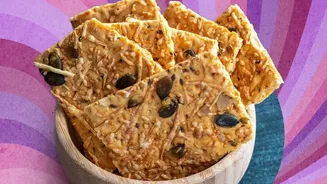
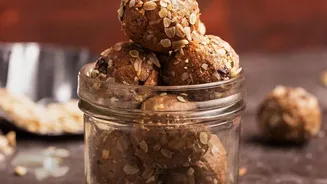
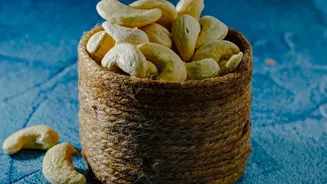
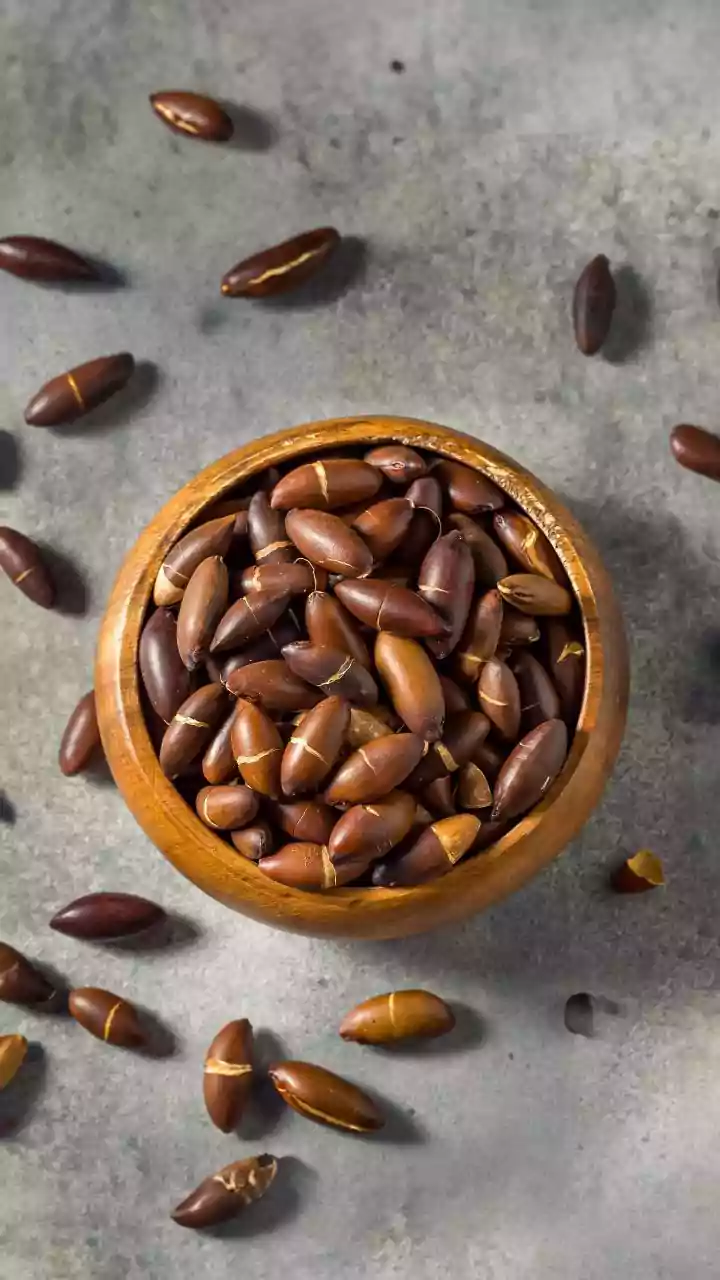
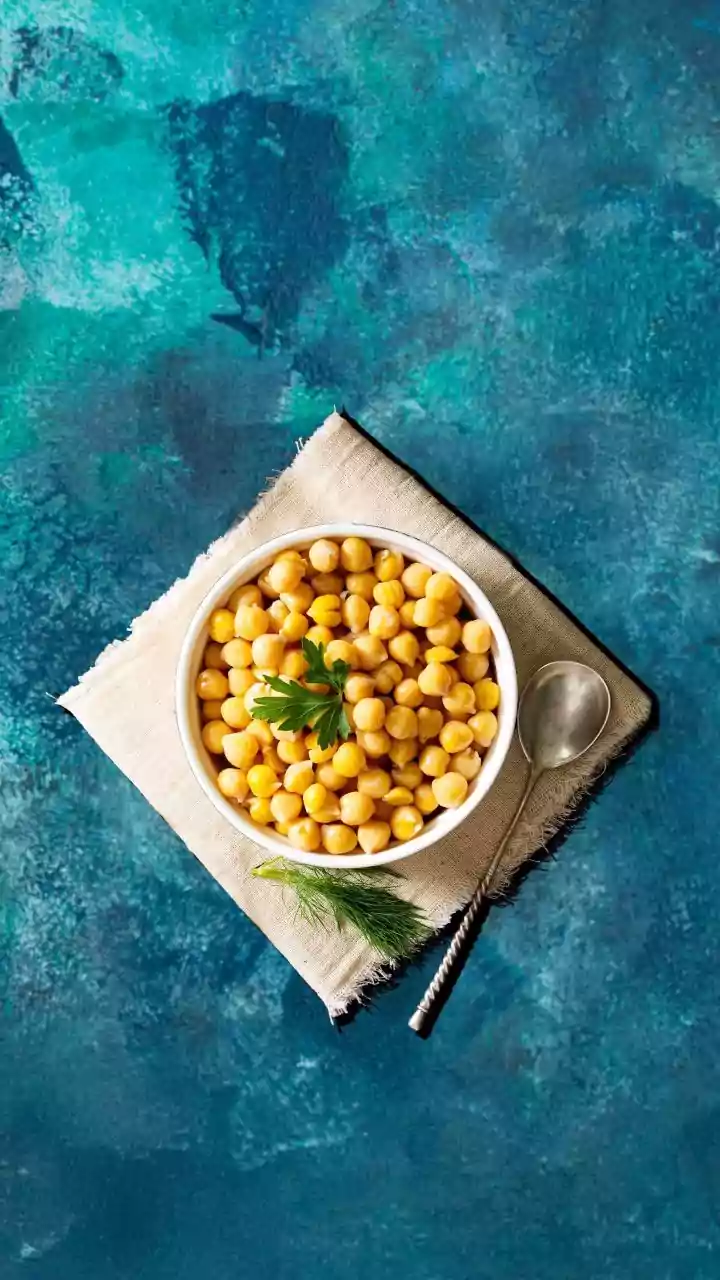
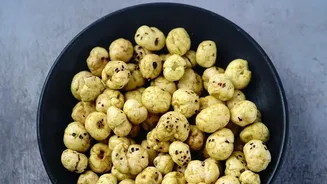
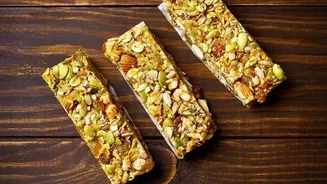
So, what’s on the new snack menu? The shift is most visible in the products gaining popularity. Nuts, seeds, and trail mixes are leading the charge, dominating the healthy snacks market. Traditional foods are being reinvented for the modern consumer; makhana (fox nuts), once a fasting food, is now a mainstream superstar, roasted and sold in a variety of flavours as a crunchy alternative to potato chips. Similarly, roasted chana, chickpeas, and millet-based snacks are being embraced for their high protein and fibre content. The other major category is the rise of dedicated protein products. Protein bars, once confined to gym-goers, are now common in supermarket aisles and online carts. High-protein versions of everyday foods, from Greek yoghurt to fortified dosa batter and peanut butter, are also finding their way into kitchens as consumers look for easy ways to boost their protein intake.
The Digital-First Snacker
This trend is largely being shaped by younger, digitally savvy consumers. Millennials and Gen Z are not only more health-aware but are also more willing to experiment and pay a premium for products that align with their values. For this demographic, ingredient transparency is crucial. A recent survey revealed that 62% of consumers rate clear ingredient information as the most important factor when choosing a brand, far more than celebrity endorsements. They want to know what's in their food and where it comes from. This demand for transparency has fuelled the rise of countless direct-to-consumer (D2C) brands that leverage social media and e-commerce to build trust and community. Quick commerce platforms like Blinkit, Zepto, and Instamart have also become major channels for snack purchases, reflecting the need for instant gratification met with healthy choices.
Beyond the Big City
While the healthy snacking movement began in metropolitan hubs like Delhi NCR and Mumbai, it is rapidly expanding into Tier-2 and Tier-3 cities. Rising disposable incomes, increasing internet penetration, and the reach of e-commerce platforms have made these products accessible to a much wider audience. The same aspirations for a healthier lifestyle are present across the country, and brands are taking notice. The growth of the healthy snacks market in India, projected to expand at a CAGR of around 5-8% and reach over USD 8 billion by the early 2030s, is a nationwide phenomenon. This indicates a fundamental and long-term shift in the country's dietary patterns, moving from snacking for indulgence to snacking for wellness.