



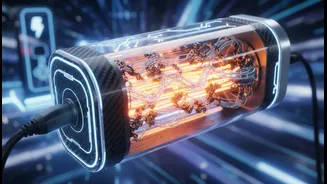



What is a Sodium-Metal Battery?
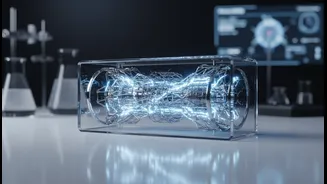
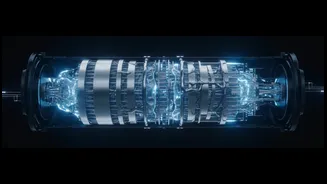
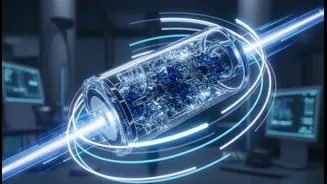
At its core, a sodium-metal battery operates on a similar principle to its lithium-ion cousin: it stores and releases energy by moving ions between two electrodes. The key difference is the star ingredient. Instead of lithium, it uses sodium—an element
famously found in common table salt. Specifically, a sodium-metal battery (SMB) uses a pure sodium metal anode, which distinguishes it from the more common sodium-ion batteries that use carbon-based anodes. This design theoretically allows for higher energy density and lighter weight compared to other sodium batteries, making it an intense area of research.
The Problem with Lithium
The search for alternatives is driven by the significant drawbacks of lithium. Lithium is not a rare element, but its extraction is geographically concentrated and resource-intensive. This creates a volatile and geopolitically sensitive supply chain, leading to price fluctuations that affect everything from smartphones to electric cars. For a country like India, which imports a vast majority of its lithium-ion components, this dependency poses a significant risk to its energy security and ambitions for EV adoption under initiatives like 'Make in India'. The environmental impact of lithium mining and the challenges of recycling also add to the urgency of finding a more sustainable solution.
A Breakthrough in Stability
The main reason sodium-metal batteries have remained largely theoretical is a critical flaw known as dendrite formation. Because sodium metal is highly reactive, it tends to form spiky, crystal-like structures on the anode during charging. These dendrites can grow across the battery, causing a short circuit, reducing its lifespan, and posing a safety risk. A recent experiment by researchers in China, however, claims to have solved this issue. Their innovation is a quasi-solid gel electrolyte that provides a more stable internal structure, preventing dendrites from forming and allowing for incredibly fast charging times—a full charge in as little as four minutes in a lab setting.
Cheaper, Safer, and Abundant
The primary appeal of sodium is its sheer abundance and low cost. It is the sixth most common element on Earth, over a thousand times more abundant than lithium, and can be sourced globally. This dramatically lowers material costs and creates a more stable, secure supply chain. Sodium-based batteries are also inherently safer. They are less prone to thermal runaway—the dangerous overheating that can cause lithium-ion batteries to catch fire. They also perform better in cold temperatures, a significant advantage over many lithium chemistries. These factors combined make sodium batteries a compelling technology for a wide range of applications.
The Road to Commercialization
Despite these breakthroughs, a future powered by sodium-metal batteries is not yet guaranteed. The technology is still in its early stages. While the four-minute charge time is impressive, it was achieved in a small lab cell; larger prototypes have shown much slower performance. Scaling up production from the lab to a factory floor presents enormous challenges. The entire manufacturing ecosystem, from refining materials to cell assembly, needs to be developed to compete with the mature, highly optimized lithium-ion industry. While the raw materials are cheaper, the initial manufacturing costs for a new technology may be high until economies of scale are reached.
What This Means for India
For India, the development of sodium battery technology is more than just a scientific curiosity—it's a strategic imperative. A domestic sodium battery industry would align perfectly with goals for energy independence ('Atmanirbhar Bharat'), reducing the country's massive import bill for lithium components. The lower cost could make EVs—particularly two-wheelers, three-wheelers, and commercial vehicles—more affordable for the mass market, accelerating the green transition. It would also provide a major boost to stationary energy storage, helping to stabilize the grid as India integrates more renewable energy sources like solar and wind.