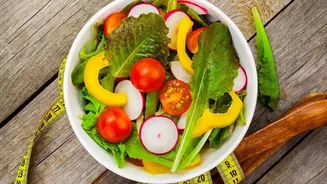

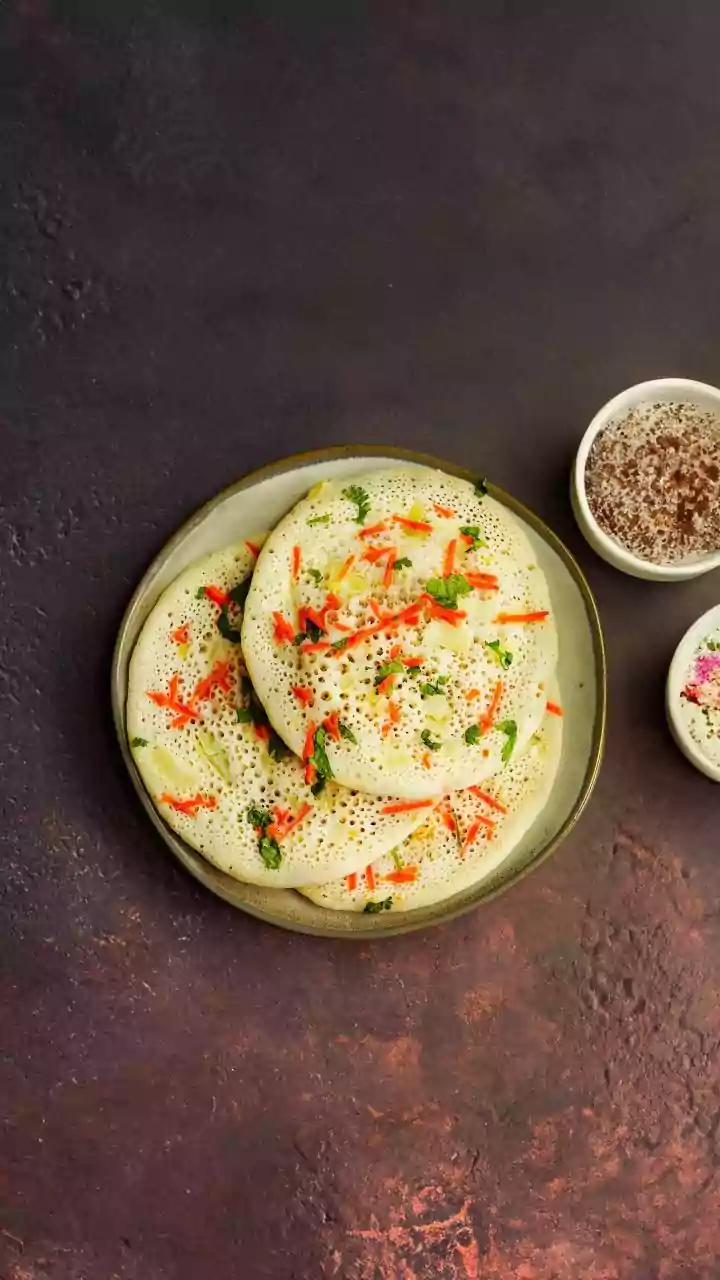


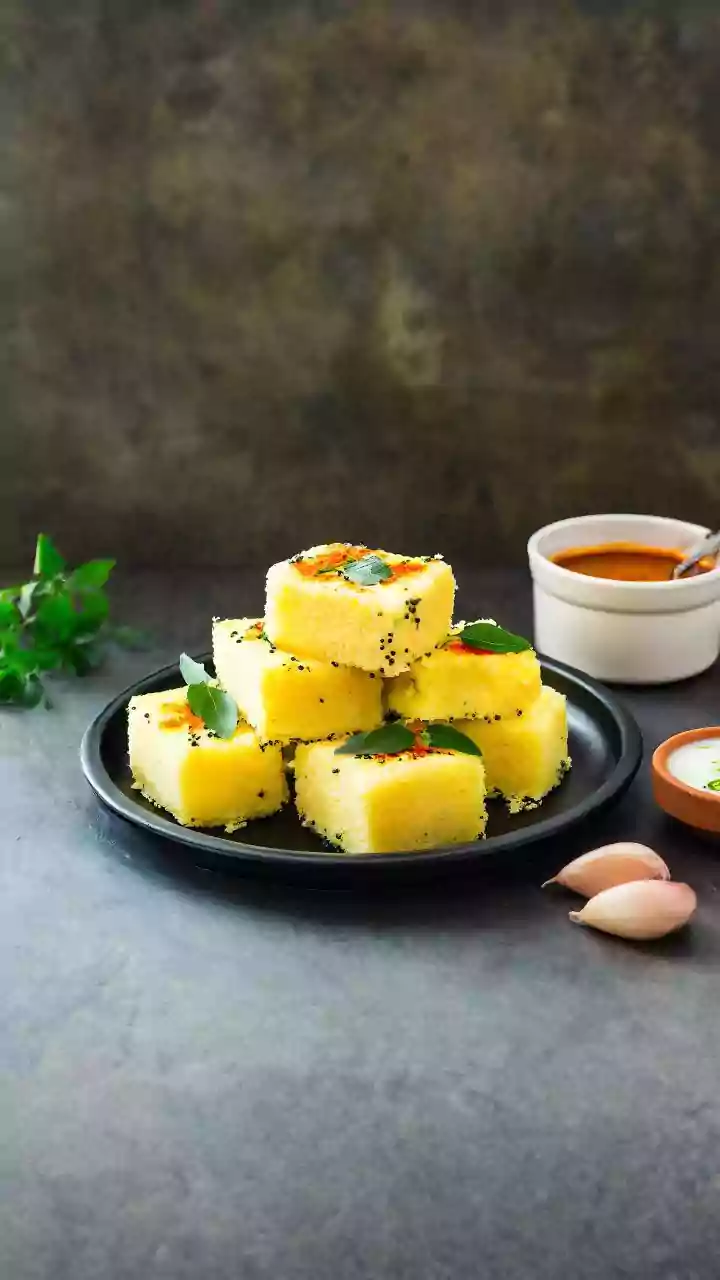



Plan Before the Plate
A little planning can make a significant difference. One of the most common mistakes is skipping meals to 'save' calories for a big festive dinner. This often backfires, leading to overeating because you're excessively hungry. Instead, start your day
with a nutritious, protein-rich breakfast to keep your energy stable. If you know a heavy dinner is planned, opt for lighter meals like salads or soups earlier in the day. Staying hydrated is also crucial. Drinking water, coconut water, or buttermilk helps manage hunger and aids digestion, preventing you from mistaking thirst for a craving for more snacks.
Smart Swaps in the Kitchen
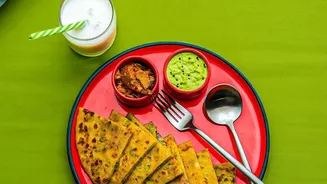
You can significantly reduce the calorie count of festive dishes without sacrificing their soul. Chef Sanjeev Kapoor suggests making small changes that preserve the dish's character. A primary strategy is to change the cooking method. Instead of deep-frying items like gujiyas, samosas, or pakoras, try baking or air-frying them. Another impactful swap is replacing refined sugar with natural sweeteners. Jaggery, dates, figs, or honey can be used in sweets like laddoos and barfis. These alternatives have a lower glycemic index and provide added nutrients. Similarly, swapping refined white flour (maida) for whole wheat, millet, or oat flour can increase the fibre content of your snacks, making them more filling and nutritious.
The Art of Portion Control
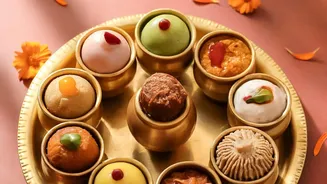
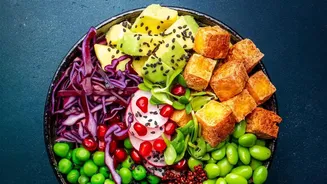
Moderation is your best friend during festivities. The traditional Indian thali is a perfect example of built-in portion control, offering variety in small quantities. You can apply this principle at any feast. Use smaller plates, which can trick your brain into feeling satisfied with less food. A practical approach is the 'plate method': fill half your plate with vegetables or salad, a quarter with protein sources like dal or paneer, and the final quarter with carbohydrates such as rice or roti. When it comes to sweets, choose one or two of your absolute favourites and savour them slowly, rather than mindlessly sampling everything on offer.
Mindful Indulgence and Smart Choices
Mindful eating is about paying attention to your food and your body's signals. Eat slowly, chew each bite thoroughly, and enjoy the flavours and textures. This practice gives your brain time to register that you are full, preventing overconsumption. Before filling your plate, survey all the options available. Prioritise protein and fibre-rich foods first, as they will help you feel full and satisfied. When it comes to snacks, opt for healthier choices like fresh fruit chaat, roasted nuts, or seeds instead of high-salt, high-sugar packaged items.
Healthier Twists on Classic Recipes
Many traditional sweets can be reimagined with a healthy twist. Date and nut laddoos, sweetened naturally by dates and packed with healthy fats from nuts, are a fantastic alternative to motichoor laddoos. For kheer, consider using quinoa or millet instead of rice to boost its protein and fibre content. You can also create barfi using almond flour and jaggery instead of condensed milk and sugar. Even savoury snacks can be improved; try making baked samosas with a filling of mixed vegetables or lean protein. These modifications allow you to enjoy the festive spirit of cooking and eating without the guilt.
Don’t Forget to Move
While food is a central part of celebrations, physical activity is equally important for balance. You don't need to stick to a rigid gym schedule, but incorporating some movement can make a big difference. A brisk walk after a heavy meal, dancing with family, or playing games can help manage the extra calorie intake and boost your energy levels. Staying active not only aids digestion but also helps maintain your overall well-being during a socially demanding season, ensuring you feel refreshed and energetic throughout the festivities.