

Kyoto’s Arashiyama Bamboo Grove
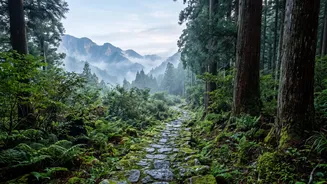
The image of sunlight filtering through the towering stalks of Arashiyama is iconic, but the reality is often a slow, crowded shuffle along a surprisingly short path. The serene experience promised in photos can be hard to find amidst the sea of selfie
sticks. While you can beat the crowds by arriving at dawn, not everyone wants a 7 AM start on their holiday. The main path is often packed, making it difficult to soak in the atmosphere. Instead, consider the Adashino Nenbutsu-ji Temple, also in the Arashiyama area. A short walk from the main tourist trail, this temple features a smaller but dense and beautiful bamboo grove lining a stone staircase. It offers a similar visual appeal with a fraction of the visitors, allowing for a more peaceful and contemplative experience. Another excellent alternative is the Take-no-Michi path in Muko, a 1.8km trail that provides a more immersive walk through cultivated bamboo groves without the overwhelming tourist presence.
The Golden Pavilion (Kinkaku-ji) in Kyoto
Gleaming across its reflecting pond, Kinkaku-ji is undeniably stunning. However, the visitor experience can feel impersonal and rushed. You cannot enter the pavilion itself; you simply follow a one-way path with a designated photo spot where hundreds of people jostle for the same picture. The entire visit can be over in 30 minutes, feeling more like a quick photo opportunity than a meaningful temple visit. For a more engaging temple experience, try Ginkaku-ji (the Silver Pavilion). While not covered in precious metal, its understated beauty, exquisite moss gardens, and explorable grounds offer a richer and more tranquil visit. Another option is Enko-ji Temple in northeastern Kyoto, which provides gorgeous garden views and a hillside lookout over the city, all without the intense crowds of its more famous counterpart.
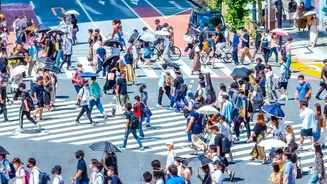
Tokyo’s Shibuya Crossing
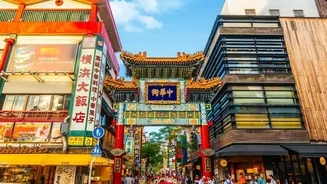
Watching thousands of people flood an intersection from all directions is a unique spectacle, but its novelty can wear off quickly. For many visitors, it's a 'see it for 90 seconds, take a photo, and now what?' moment. The area is a major commercial hub, but the experience of the crossing itself can feel overwhelming rather than culturally insightful, often just a stopover en route to somewhere else. For a more authentic taste of Tokyo's vibrant neighborhood life, head to Shimokitazawa or Kichijoji. Shimokitazawa, just a few train stops from Shibuya, is a haven of vintage clothing stores, independent theaters, cozy cafes, and live music venues. It has a relaxed, bohemian vibe that feels worlds away from the commercial crush of Shibuya. Kichijoji offers a delightful mix of shopping, a beautiful park with a lake, and the enchanting Ghibli Museum (tickets must be booked well in advance).
Climbing Mount Fuji
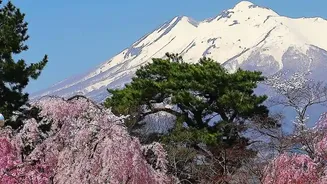
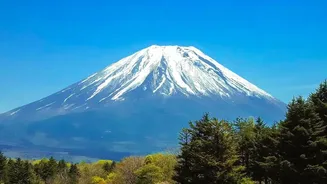
Climbing Japan's most sacred mountain is a bucket-list item for many, but the reality during the official climbing season can be a 'conga line' of hikers queuing up the trail. The Yoshida Trail, the most popular route, is often extremely congested, leading to long waits and an experience that is far from a serene communion with nature. Furthermore, views from the 5th Station, where many bus tours stop, are often obscured by clouds and are too close to appreciate the mountain's famous conical shape. As an alternative for stunning mountain scenery and hiking, consider Mount Daisen in Tottori Prefecture. Known as 'Mini Fuji' for its similar shape, it offers world-class hiking trails through ancient beech forests and spectacular views of the Sea of Japan from its summit, all without the reservations and human traffic jams of its more famous cousin.