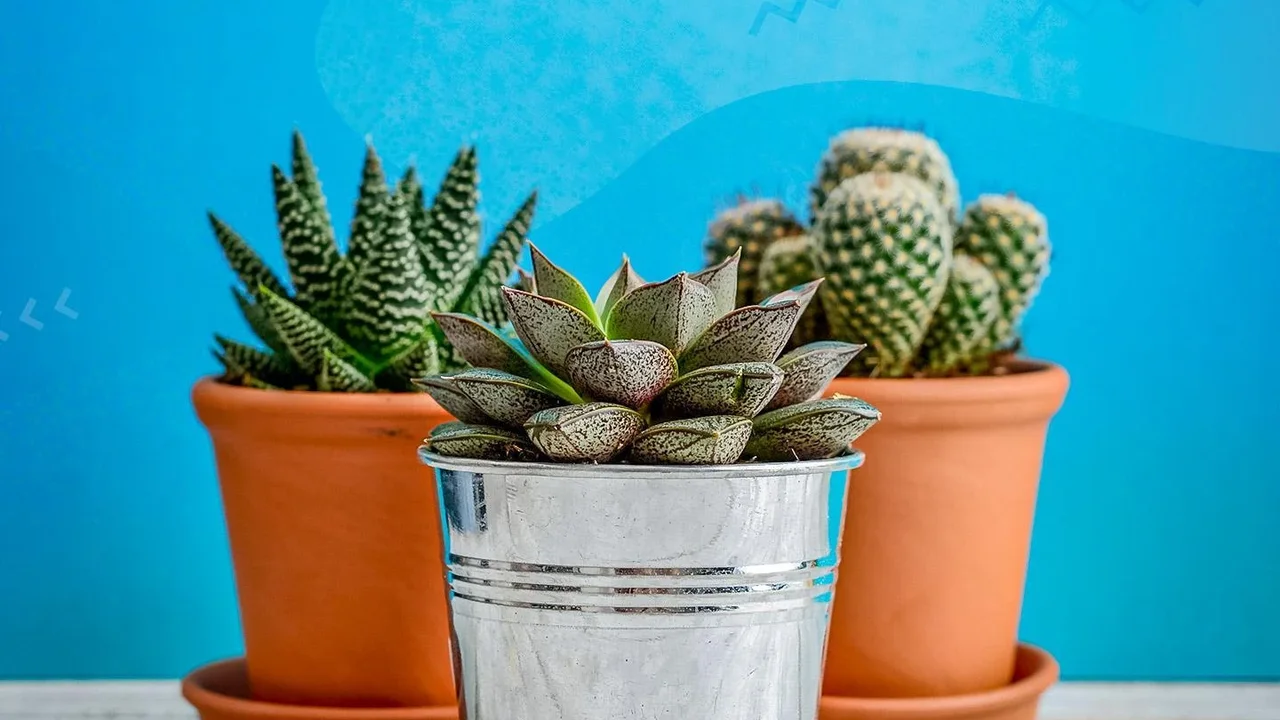




For those who love hardy desert plants like cacti and succulents, it’s easy to kill them with kindness. The single biggest mistake is overwatering, but a simple habit can ensure your plants thrive: always check the soil’s dryness first.
Why Desert Plants Dread 'Wet Feet'
Desert plants,
by their very nature, are adapted to arid environments where rainfall is infrequent. Their root systems have evolved to quickly absorb available water and then endure long dry spells. Unlike tropical plants, their roots are not equipped to sit in consistently damp soil. When the soil stays waterlogged, it cuts off the oxygen supply to the roots, leading to a condition called root rot. This fungal disease, which thrives in wet and warm soil, attacks the roots, turning them brown and mushy. Once root rot takes hold, it can quickly spread and kill the entire plant from the bottom up, often before the damage is obvious on the leaves. This is why preventing overwatering isn't just about saving water; it's about saving the plant itself.
The Finger Test: Your First and Easiest Tool
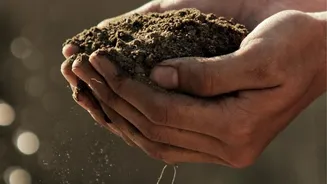
The most reliable and readily available tool for checking soil moisture is your own finger. This simple, no-cost method gives you a direct feel for the conditions your plant's roots are experiencing. To perform the test, push your index finger into the soil near the base of the plant, aiming to go about two inches deep, or up to your second knuckle. If your finger comes out clean and the soil feels completely dry to the touch, it's time to water. If you feel any coolness or moisture, or if soil particles cling to your skin, it's best to wait a few more days and test again. For succulents and cacti, it's always safer to err on the side of being too dry rather than too wet.
Other Simple Tools for an Accurate Reading
If you prefer not to get your hands dirty, a few simple household items can work just as well. The 'chopstick method' involves inserting a dry, unfinished wooden skewer or chopstick deep into the pot, close to the root ball. Let it sit for a minute or two before pulling it out. If the wood comes out clean and dry, the soil is dry. If it's damp, has soil clinging to it, or shows a dark water line, there's still moisture present and you should hold off on watering. For a more technical approach, a soil moisture meter can be a great investment. These devices have a metal probe that you insert two-thirds of the way into the soil to get a reading on a simple dry-to-wet scale. For succulents, you should only water when the meter reads 'dry'.
How to Read Your Plant's Own Signals
Beyond checking the soil, the plant itself will give you clues about its hydration level. It's important to know the difference between an underwatered and an overwatered plant, as their symptoms can sometimes appear similar. An underwatered succulent will have leaves that look wrinkled, shriveled, and feel soft or flat because their internal water stores are depleted. An overwatered plant, on the other hand, will have leaves that are soft, mushy, and may appear swollen or translucent. These leaves have absorbed too much water, causing their cell walls to burst. They may also turn yellow and drop off at the slightest touch.
The Right Way to Water, When It Is Finally Time
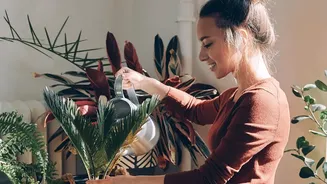
Once you've confirmed the soil is completely dry, the best way to water desert plants is the 'soak and dry' method. This technique mimics the infrequent but heavy downpours of their native habitat. Water the plant thoroughly at its base, avoiding the leaves, until water runs freely from the drainage holes at the bottom of the pot. This ensures the entire root system gets access to moisture and encourages roots to grow deep and strong. After the initial soaking, allow the pot to drain completely and empty any saucer underneath it to ensure the plant is never left sitting in standing water. Then, the cycle begins again: do not water until the soil is once again bone dry.