
Gurudongmar Lake, Sikkim: The High-Altitude Marvel
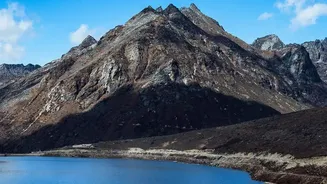
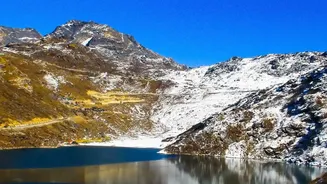
Perched at a staggering altitude of over 17,000 feet, Gurudongmar Lake is one of the highest lakes in the world. The journey itself is an adventure, but the reward is a landscape of stark, otherworldly beauty. For photographers, the main draw is the brilliant,
crystal-clear water set against a backdrop of barren, snow-dusted mountains. The light here is sharp and unfiltered, creating dramatic contrasts and deep blue skies. In winter, a portion of the lake miraculously remains unfrozen, a phenomenon considered sacred. The best time for mirror-still reflections is typically in the morning before the high-altitude winds pick up. A polarising filter is a photographer's best friend here, helping to manage the intense glare and saturate the incredible blue of the water. Due to its proximity to the border and extreme altitude, permits are required, and acclimatisation is essential.
Tsomgo Lake, Sikkim: The Ever-Changing Glacial Gem
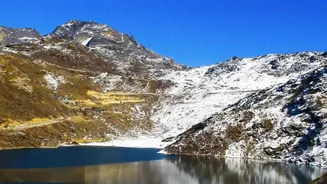
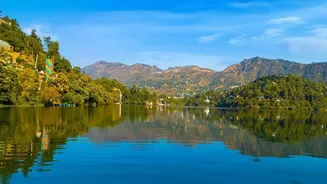
Also known as Changu Lake, Tsomgo is far more accessible than Gurudongmar, located just a few hours' drive from Gangtok. This glacial lake is a master of transformation. In winter, it becomes a frozen sheet of ice, offering a dramatic, white landscape perfect for minimalist compositions. Come spring, the surroundings burst into life with blooming rhododendrons and other alpine flowers. For photographers, the play of light on the water and the reflections of the surrounding peaks are a constant source of inspiration. The early morning offers soft light, while the hours before the afternoon fog rolls in provide stunning clarity. You can frame your shots with colourful prayer flags, or capture the local yaks adorned in bright woollens. The oval shape of the lake provides numerous vantage points along its perimeter for diverse compositions.
Loktak Lake, Manipur: The Floating World
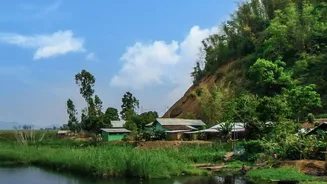
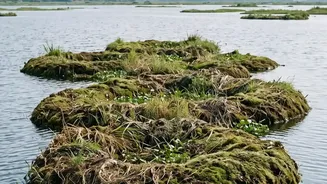
Loktak Lake is unlike any other in India, or indeed the world. It’s famous for its 'phumdis'—large, circular masses of floating vegetation, soil, and organic matter. These floating islands create a unique and mesmerising pattern across the water's surface. From a photographic perspective, this offers endless opportunities for abstract and landscape shots, especially from an elevated viewpoint. The lake is also home to the Keibul Lamjao National Park, the world’s only floating national park, where the endangered Sangai deer can be spotted. Photographers can document the lives of the local fishermen who live in huts built on these phumdis and navigate the waterways in slender canoes. The soft light of dawn and dusk is ideal for capturing the tranquil lifestyle and the reflections of the floating islands on the water.
Umiam Lake, Meghalaya: The Vast Inland Sea
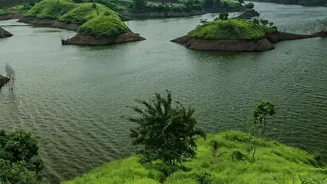
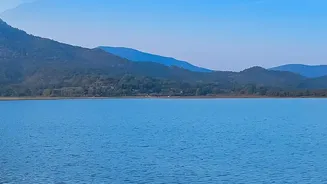
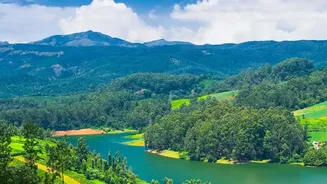
Often called Barapani or 'big water', Umiam Lake is a sprawling man-made reservoir just outside Shillong. Its sheer size gives it the feel of an inland sea, dotted with small islands and surrounded by lush Khasi hills and pine forests. The viewpoint on the Guwahati-Shillong highway offers a classic panoramic shot that captures the lake’s grandeur. For photographers, the beauty of Umiam lies in its atmospheric conditions. Sunrises and sunsets here can be spectacular, painting the sky and water with vibrant colours. The monsoon season brings dramatic, moody clouds that add a layer of mystique to the landscape. Beyond the wide landscapes, there are opportunities to capture action shots of water sports like kayaking and boating, or the quiet solitude of a lone fishing boat against the vast expanse.
Sela Pass Lakes, Arunachal Pradesh: The Gateway to Paradise
The journey to Tawang is punctuated by the formidable Sela Pass, which sits at an altitude of around 13,700 feet. Near the summit lies the serene and sacred Sela Lake, often called Paradise Lake for its breathtaking beauty. This is high-altitude photography at its finest, with the lake often partially frozen and surrounded by snow for much of the year. The landscape is raw and dramatic, defined by wind-swept terrain, fluttering Tibetan prayer flags, and stark, beautiful peaks. The pass itself is home to over 100 small lakes, each offering a unique frame. The newly constructed Sela Tunnel has improved all-weather connectivity, but the classic drive over the pass remains a pilgrimage for photographers seeking to capture the raw, untouched wilderness of the Eastern Himalayas.