





The Monsoon Menace for Balcony Gardens
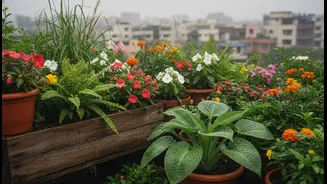
As the rains arrive, so does a host of problems for container plants. The combination of high humidity, reduced sunlight, and constantly wet foliage creates a paradise for fungal spores. Diseases like powdery mildew (a white, dusty coating on leaves),
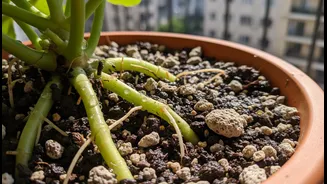
black spot, and root rot thrive in these conditions. Balcony gardens are particularly vulnerable due to pots that may have limited drainage and reduced air circulation compared to open ground, turning a lush green space into a wilting, diseased mess in a matter of weeks if left unchecked.
Nature's Guardian: Why Neem Is Your Best Ally
Before you reach for harsh chemical fungicides, consider a potent, natural solution that has been used in India for centuries: neem oil. Derived from the seeds of the Azadirachta indica tree, neem oil is a powerhouse for organic gardening. Its primary active compound, azadirachtin, acts as a natural fungicide and insecticide. As a fungicide, neem oil works preventatively by forming a protective layer on the leaves that inhibits fungal spores from germinating and penetrating the plant tissue. It doesn't just mask the problem; it disrupts the life cycle of the very organisms threatening your plants, making it an essential tool in your monsoon gardening kit.
Your DIY Neem Spray Toolkit: A Simple Recipe
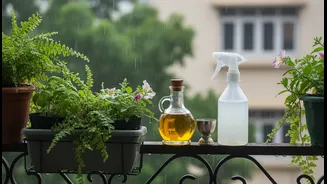
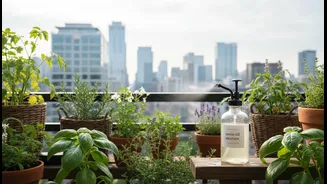
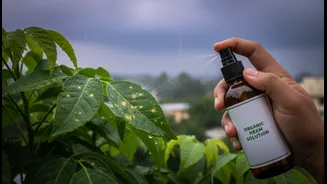
Making your own organic neem spray is incredibly simple and cost-effective. Commercial preparations are available, but a homemade version ensures freshness and potency. For a one-litre batch, you will need: - 1 litre of warm water - 1 to 2 teaspoons (5-10 ml) of high-quality, cold-pressed neem oil - ½ to 1 teaspoon of a mild liquid soap (this acts as an emulsifier, allowing the oil and water to mix) First, mix the liquid soap into the warm water until it's dissolved. Then, slowly add the neem oil while stirring continuously. Pour the solution into a clean spray bottle and shake it well. It's best to make a fresh batch for each application, as the mixture can separate and lose its effectiveness over time.
Application is Everything: A Step-by-Step Guide
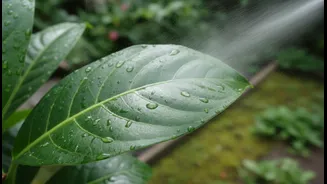
How you apply the neem spray is just as important as what's in it. For best results, follow these steps. First, always test the spray on a small, single leaf and wait 24-48 hours to ensure your plant isn't sensitive to it. The best time to spray is in the late evening or early morning, as applying it in direct, hot sunlight can cause the leaves to burn. Shake the bottle well before and during use. Spray the plant thoroughly, ensuring you cover all surfaces, including the tops and, crucially, the undersides of the leaves where pests and fungi often hide. Don't drench the plant to the point of heavy dripping. For prevention during the monsoon, a light application every 7 to 10 days is ideal. If you're treating an existing mild infection, you can increase the frequency to once every 5-7 days.
Beyond the Spray: More Monsoon-Proofing Tips
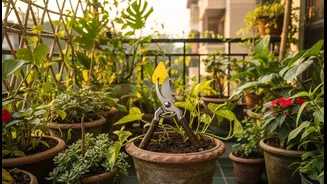
Neem spray is a powerful tool, but it works best as part of a broader monsoon care strategy. Ensure every pot has clear, unobstructed drainage holes to prevent waterlogging, which leads to root rot. Consider placing your pots on bricks or pot feet to lift them off the ground, further improving drainage. Prune dense foliage to improve air circulation around the stems and leaves, which helps them dry faster after a shower. Finally, get into the habit of inspecting your plants regularly. Catching the first signs of trouble, like a single yellowing leaf or a patch of white mildew, allows you to act quickly before the problem spreads.