





Defining the Real Estate Divide
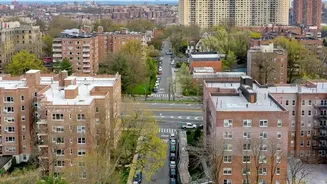
In Delhi's real estate lexicon, 'traditional markets' refer to the well-established, premium residential colonies, primarily in South and Central Delhi. These are areas with decades-old social infrastructure, mature green cover, and a settled community
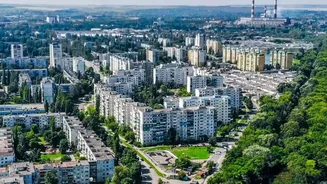
fabric. Think of neighbourhoods like Vasant Vihar, Greater Kailash, and Shanti Niketan. 'Emerging areas', on the other hand, are new high-growth zones, mostly located in the National Capital Region (NCR) periphery. These include places like New Gurgaon, sectors along the Dwarka Expressway, and parts of Noida and Greater Noida. These corridors are defined by rapid infrastructure development, modern high-rise townships, and a forward-looking investment horizon.
The Price and Affordability Equation
The most significant differentiator is cost. Traditional markets are characterized by high property values and limited new supply, making them predominantly a resale market. While prices are steep, they offer stability and are less prone to market volatility. In contrast, emerging corridors provide more accessible entry points for homebuyers and investors. For instance, property prices along the Dwarka Expressway, while appreciating rapidly, are still lower than in central Gurgaon or South Delhi. These areas have seen property values surge due to infrastructure upgrades, with some reports noting a price growth of over 150% in five years. This makes them attractive for those seeking capital appreciation, though this potential comes with the risks inherent in a developing market.
Connectivity and Infrastructure
Traditional areas boast established, albeit often congested, infrastructure. They are well-connected by older road networks and the Delhi Metro. However, emerging corridors are being built around new-age infrastructure like 16-lane expressways and planned metro expansions. The Dwarka Expressway, for example, is transforming connectivity between Delhi and Gurgaon, significantly cutting travel times. Similarly, the Delhi-Mumbai Expressway and upcoming regional rapid transit systems are unlocking new areas. The trade-off is that while the infrastructure in emerging zones is modern and planned, it can sometimes be a work-in-progress, with last-mile connectivity and civic amenities still catching up to the pace of residential development.
Lifestyle, Amenities, and Livability
Lifestyle offerings present a stark contrast. Traditional neighbourhoods offer an organic, community-oriented lifestyle with established local markets, parks, and cultural hubs. However, they may lack modern amenities like clubhouses or swimming pools within residential complexes. Emerging areas are dominated by large, self-contained townships that offer a 'live-work-play' environment with integrated facilities like gyms, pools, and retail spaces. While these provide convenience and a modern living standard, they can sometimes feel disconnected from the wider city fabric. The Global Liveability Index for 2026 places New Delhi at rank 120, highlighting challenges in infrastructure and environment that affect all zones, but the nature of these challenges differs between old and new areas.
The Investment Horizon
From an investment perspective, the two market types serve different goals. Investing in traditional Delhi localities is a defensive strategy. It offers stable rental yields and the security of a mature market, making it suitable for risk-averse investors seeking wealth preservation. Emerging corridors, however, are a growth-oriented play. These areas offer the potential for significant capital appreciation as infrastructure projects are completed and the regions mature. Investors are drawn by the prospect of higher returns, driven by job creation in nearby commercial hubs and improving connectivity. However, this strategy requires a longer investment horizon and a greater tolerance for risks related to project execution and market fluctuations. The current trend shows that much of the recent real estate activity is driven by end-users looking for a place to live, which adds a layer of stability to these growing markets.