







More Than Just Lifting Heavy
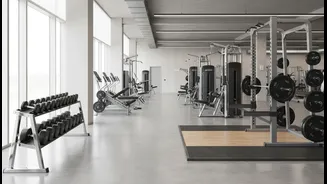
Walk into many gyms today, and you'll notice a significant shift. The weights section, once a male-dominated territory, is now a diverse space where more and more young women are confidently training. This isn't just about building muscle; it's a move
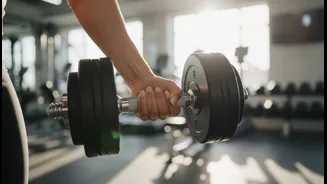
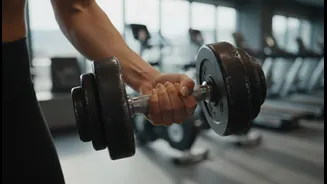
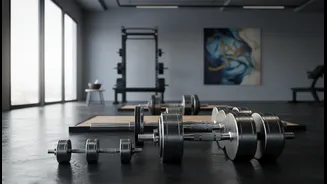
towards a method called progressive strength training. The core principle is simple but powerful: gradually increasing the demand on your muscles to stimulate growth and adaptation. This doesn't always mean lifting heavier weights. Progression can also involve doing more repetitions or sets, improving your form, or reducing rest times between exercises. The goal is to consistently challenge your body, preventing the plateaus that can happen when you stick to the same routine for too long. This methodical approach provides a clear path to getting stronger, making it a highly rewarding and sustainable form of exercise.
A Shift From 'Skinny' to 'Strong'
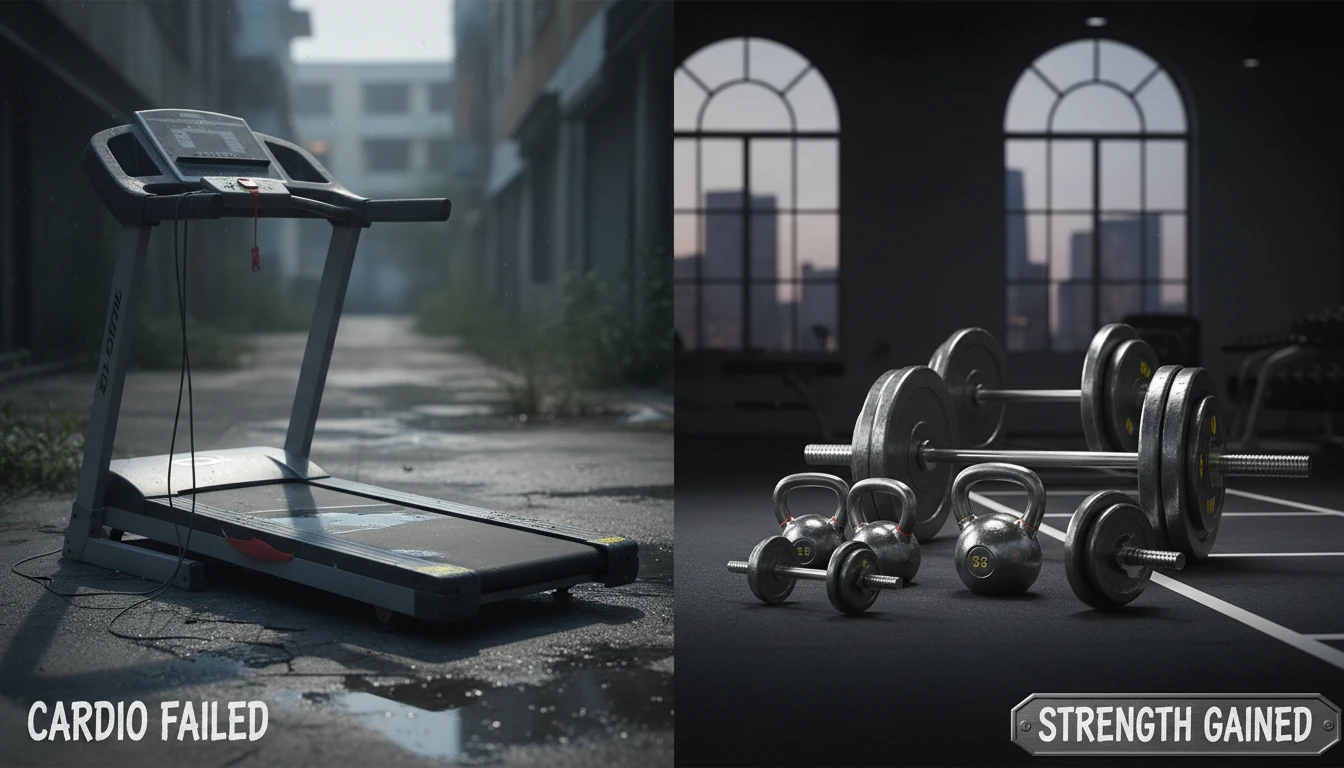
For decades, the dominant fitness narrative for women revolved around being smaller, thinner, and taking up less space. This new embrace of strength training marks a significant cultural change. In India and globally, the conversation is moving from “How much weight did you lose?” to “How much can you lift?”. This trend is about addition, not subtraction—gaining strength, capability, and energy. Many young women are rejecting outdated myths that lifting heavy will make them 'bulky'. Instead, they are focusing on functional strength that translates to everyday life, from carrying groceries with ease to improving posture and preventing injury. This shift is fuelled by a desire for empowerment and control, celebrating what the body can do rather than just how it looks.
The Lasting Physical Benefits
The advantages of strength training extend far beyond toned muscles. For women, it offers unique, long-term health benefits. One of the most critical is the improvement of bone density. Resistance exercises stimulate bone-forming cells, which is crucial in preventing osteoporosis, a condition to which women are more susceptible as they age. Furthermore, building more muscle mass naturally increases your metabolism, meaning your body burns more calories even at rest, which aids in healthy weight management. Studies have also linked regular strength training to a lower risk of chronic diseases, including heart disease, and improved neurological health in the long run. It’s an investment in a healthier, more resilient future.
Building Mental Strength and Confidence
Perhaps the most profound impact of progressive strength training is on mental well-being. The act of consistently overcoming physical challenges in the gym builds incredible self-confidence and resilience that spills over into all areas of life. Each time you complete an extra rep or add a little more weight, you get tangible proof of your own capability—what psychologists call a 'mastery experience'. Research shows that this form of exercise is a powerful tool for managing stress and reducing symptoms of anxiety and depression by regulating hormones like cortisol and boosting mood-enhancing chemicals. For many young women, the gym has become a sanctuary for self-care, a place to build not just a stronger body, but a stronger mind.
How to Get Started Safely
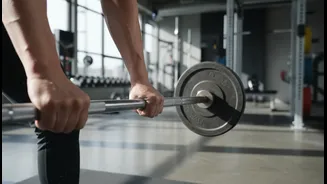
The idea of starting strength training can be intimidating, but it doesn't have to be. For beginners, the focus should always be on mastering the correct form before increasing weight. Starting with compound exercises like squats, rows, and presses provides an efficient, full-body workout. You don't need to spend hours in the gym; two to three sessions a week is an effective starting point that allows your body adequate time to recover and adapt. Many gyms now offer introductory courses, and online resources and communities, some specifically for women, can provide guidance and support. The key is to start slow, listen to your body, and celebrate the small victories along the way. The journey is about consistent progress, not immediate perfection.