



A Paradise Under Pressure
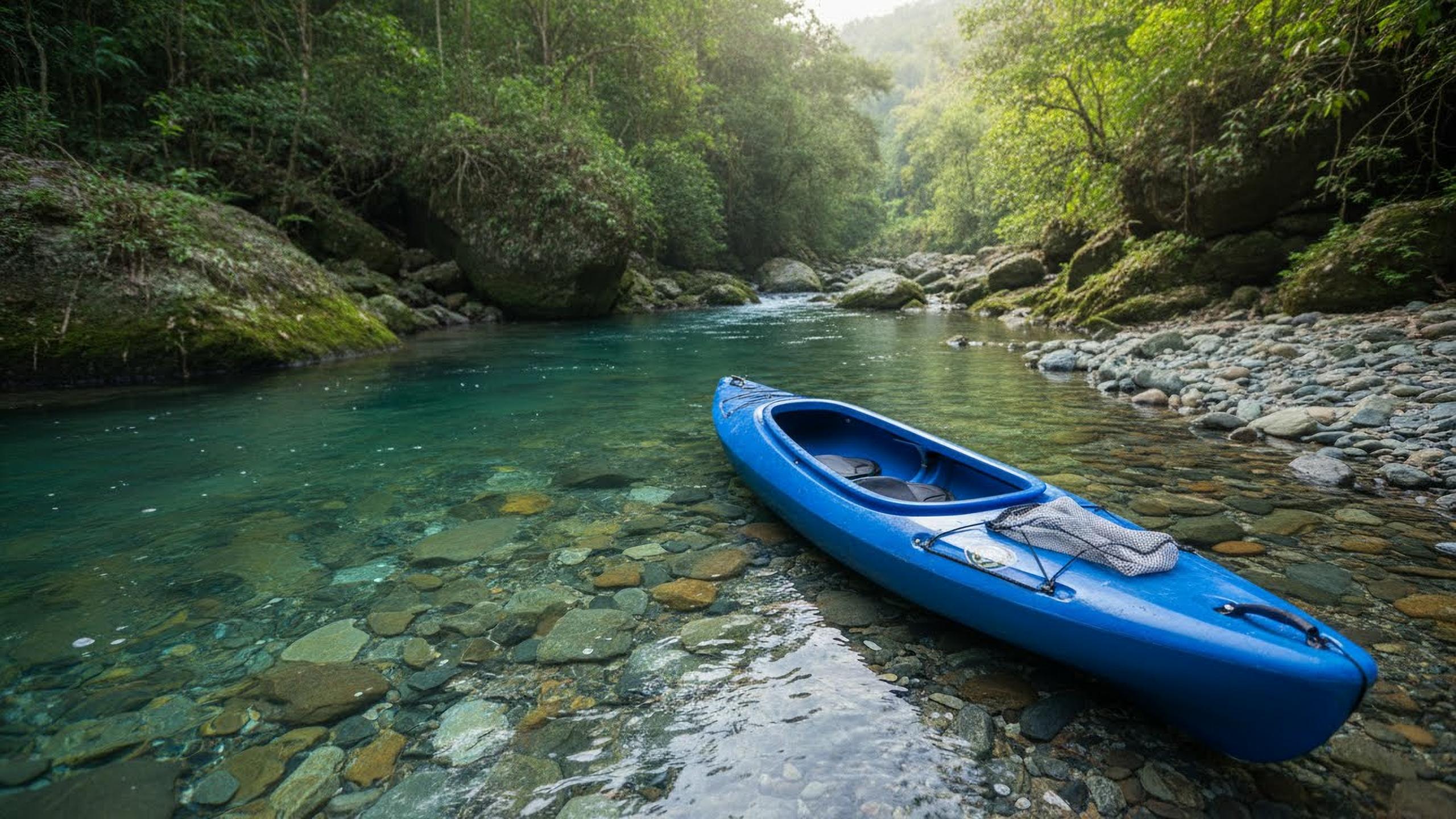
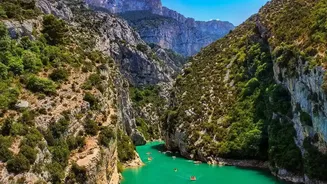
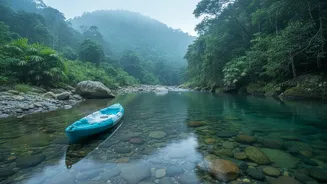
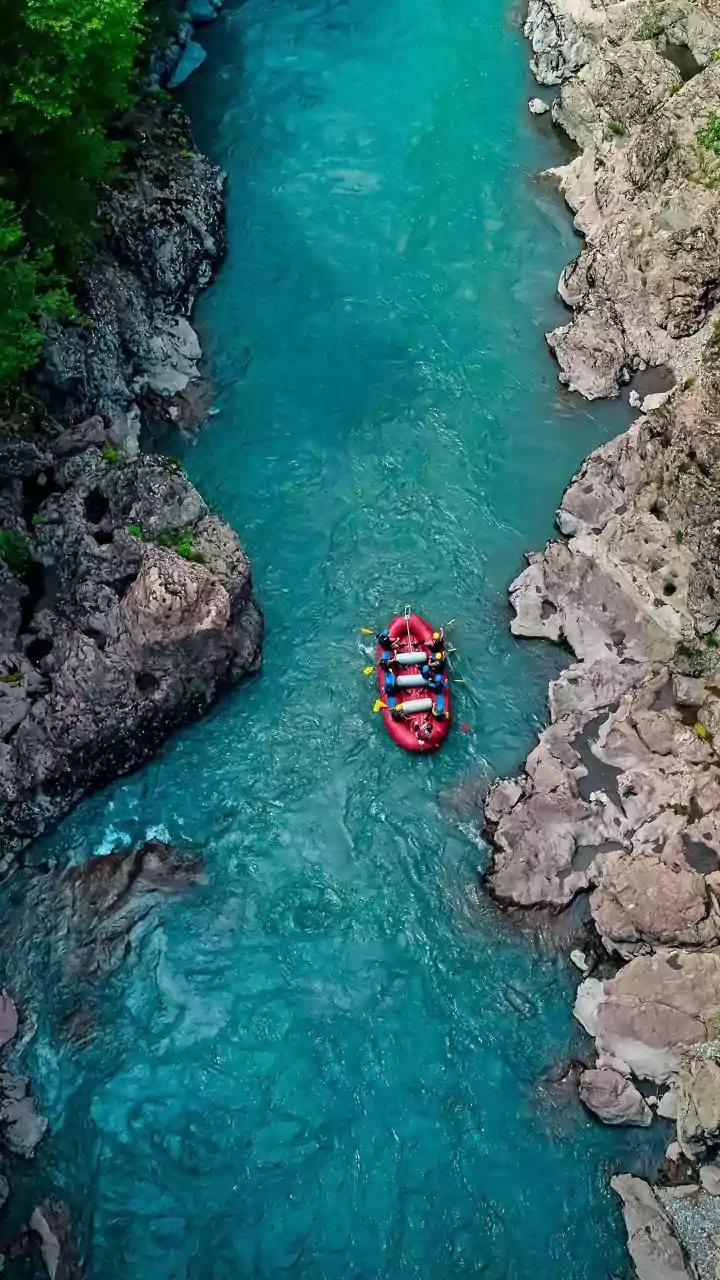
The Umngot River in Dawki, an iconic symbol of Meghalaya's natural beauty, has become a poster child for the perils of unchecked tourism. For years, images of its transparent, emerald waters have captivated travellers, leading to a massive influx of visitors.
Unfortunately, this boom has come without adequate infrastructure to manage the environmental impact. The result is a growing crisis of waste, with plastic bottles, food wrappers, and other trash increasingly marring the pristine riverbanks and riverbed. The problem was starkly highlighted in a viral video showing a foreign tourist cleaning discarded bottles from a natural pool. This issue is compounded by larger-scale environmental damage, including soil runoff and debris from nearby road construction, which has at times turned the crystal-clear water murky, threatening the very ecosystem and the livelihoods of local communities dependent on tourism.
A New Wave of Conscious Travel
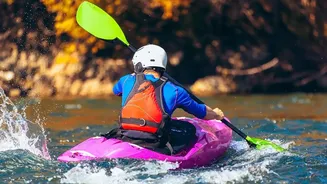
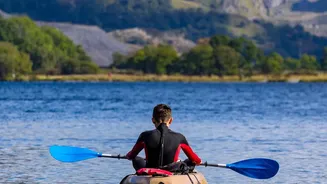
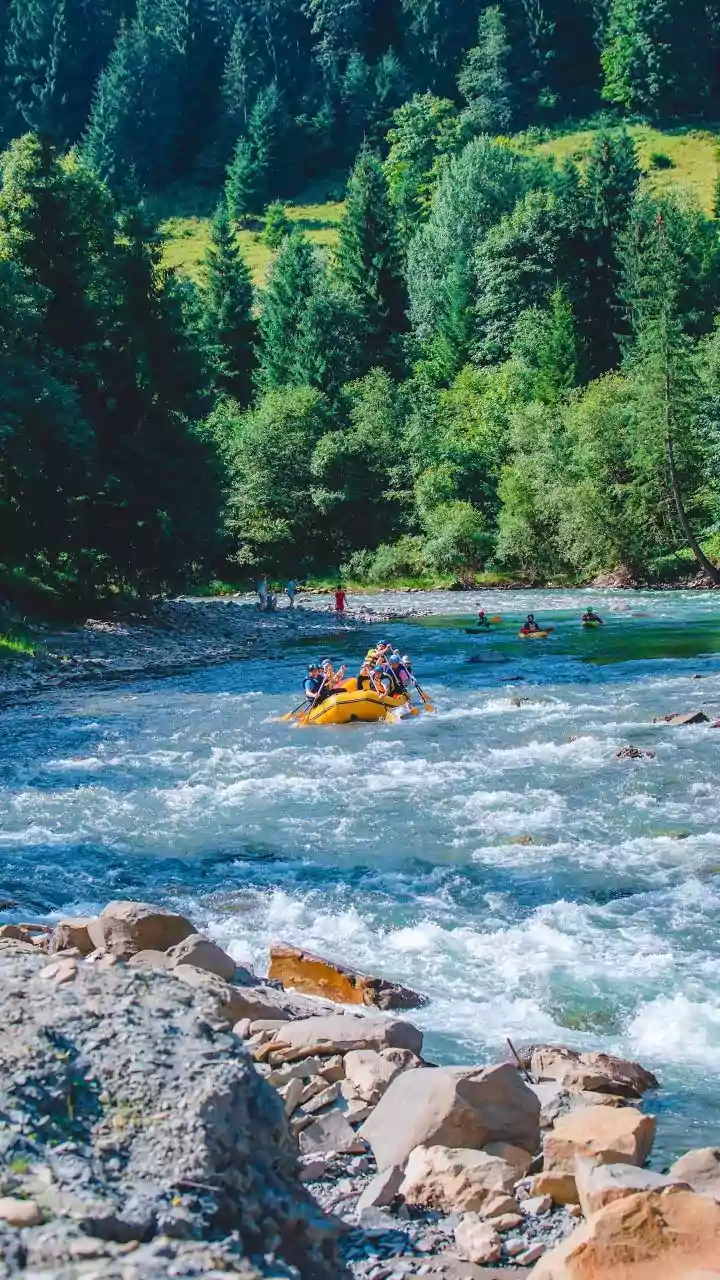
In response to these mounting threats, a different kind of tourism is taking root. Eco-conscious kayaking expeditions are emerging as a powerful counter-current, offering a model of travel that actively seeks to preserve rather than pollute. These are not your typical sightseeing tours. They operate on a fundamental principle: the river's pristine condition is the primary asset, and protecting it is a shared responsibility. Operators who champion this ethos build their entire experience around a low-impact, high-awareness approach, attracting travellers who are looking for more than just a photo opportunity—they are seeking a meaningful connection with nature.
How Paddles and Principles Protect the Water
So, how exactly does a kayaking trip help? The protection is woven into the fabric of the expedition itself. Firstly, these trips are built on a strict 'Leave No Trace' philosophy, where everything brought into the wild is packed out, leaving the riverbanks as they were found. Secondly, they are almost always led by local guides from villages like Shnongpdeng, who possess an intimate knowledge of the river and a deep, vested interest in its long-term health. Many of these eco-expeditions go a step further by integrating small-scale clean-up initiatives into their itineraries. Kayakers are often provided with bags to collect any floating litter they encounter, transforming a simple paddle into a proactive act of conservation. This approach also serves an educational purpose, making travellers acutely aware of the pollution problem and their role in being part of the solution.
The Power of Community Guardianship
The success of these eco-conscious expeditions is inseparable from the local communities that host them. Meghalaya has a strong tradition of community-led conservation, exemplified by villages like Mawlynnong, famously known as 'Asia's Cleanest Village'. This ethos extends to the river communities. By empowering local residents to run homestays, guide tours, and manage campsites, sustainable tourism creates a powerful economic incentive for environmental protection. When the local community's income is directly tied to the health of the river, they become its most passionate and effective guardians. This deep-seated commitment was powerfully demonstrated in 2021 when local villages fiercely resisted a proposed dam project on the Umngot, fearing the ecological devastation it would cause.
The Ripple Effect of Responsible Choices
While a single kayaking trip may seem like a small drop in a large river, the cumulative effect is significant. These expeditions create a positive feedback loop. They demonstrate a viable, profitable alternative to high-volume, low-awareness mass tourism. As more travellers opt for these responsible tours, it sends a clear message to the wider industry and to local authorities about the economic value of conservation. When the Umngot's water turned murky from construction debris, the resulting 80% drop in tourism business was a stark wake-up call, prompting authorities to take action and fine the responsible parties. Eco-conscious expeditions not only keep their own footprint light but also build a constituency of travellers and locals who demand better environmental stewardship from everyone.