


What Does 'Minimally Processed' Mean?
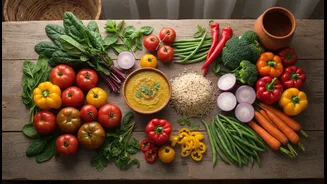
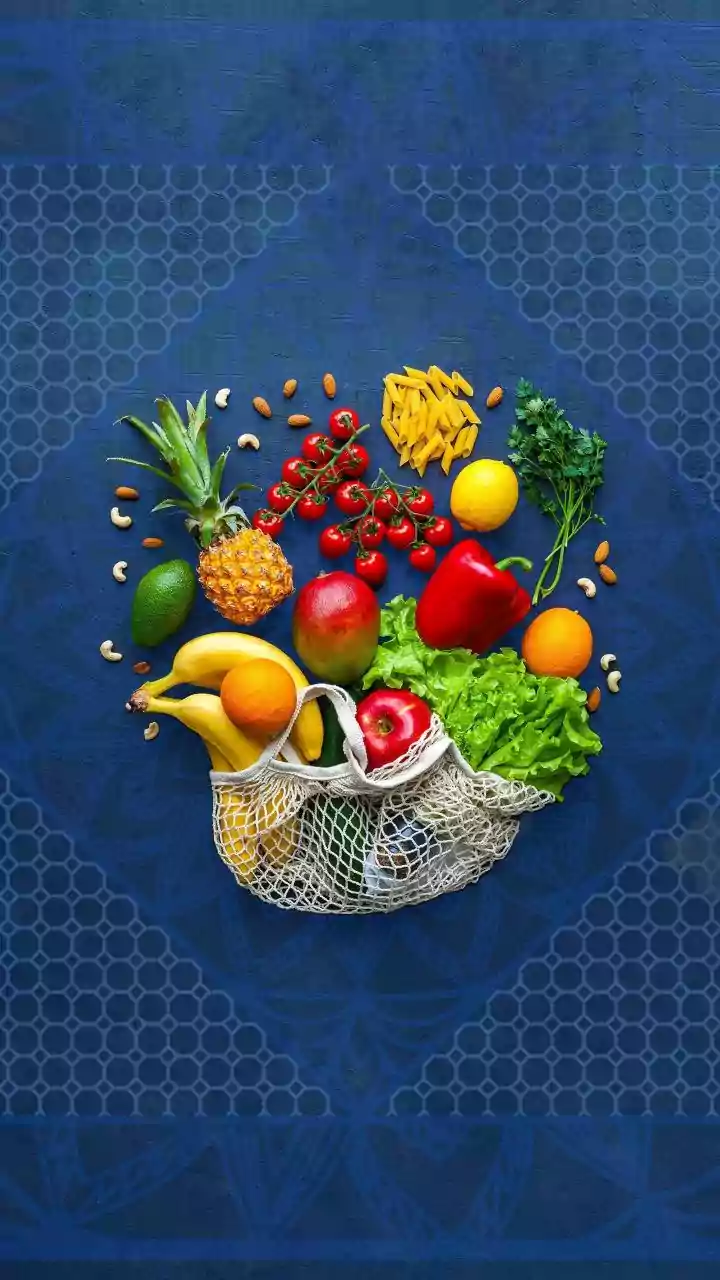
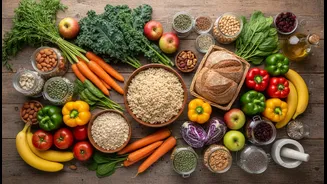
Before we dive into the kitchen, let's clarify the terms. Minimally processed foods are those that are still very close to their natural state. Think of fresh vegetables, fruits, whole grains, lentils, and fresh meats. They might be washed, cut, dried,
or frozen, but they don't have a long list of artificial additives. The opposite is ultra-processed food—items like instant noodles, packaged biscuits, sugary drinks, and ready-to-eat meals. These are industrial formulations often high in sugar, unhealthy fats, salt, and preservatives designed for a long shelf life, which have been linked to health issues.
The Indian Pantry Advantage
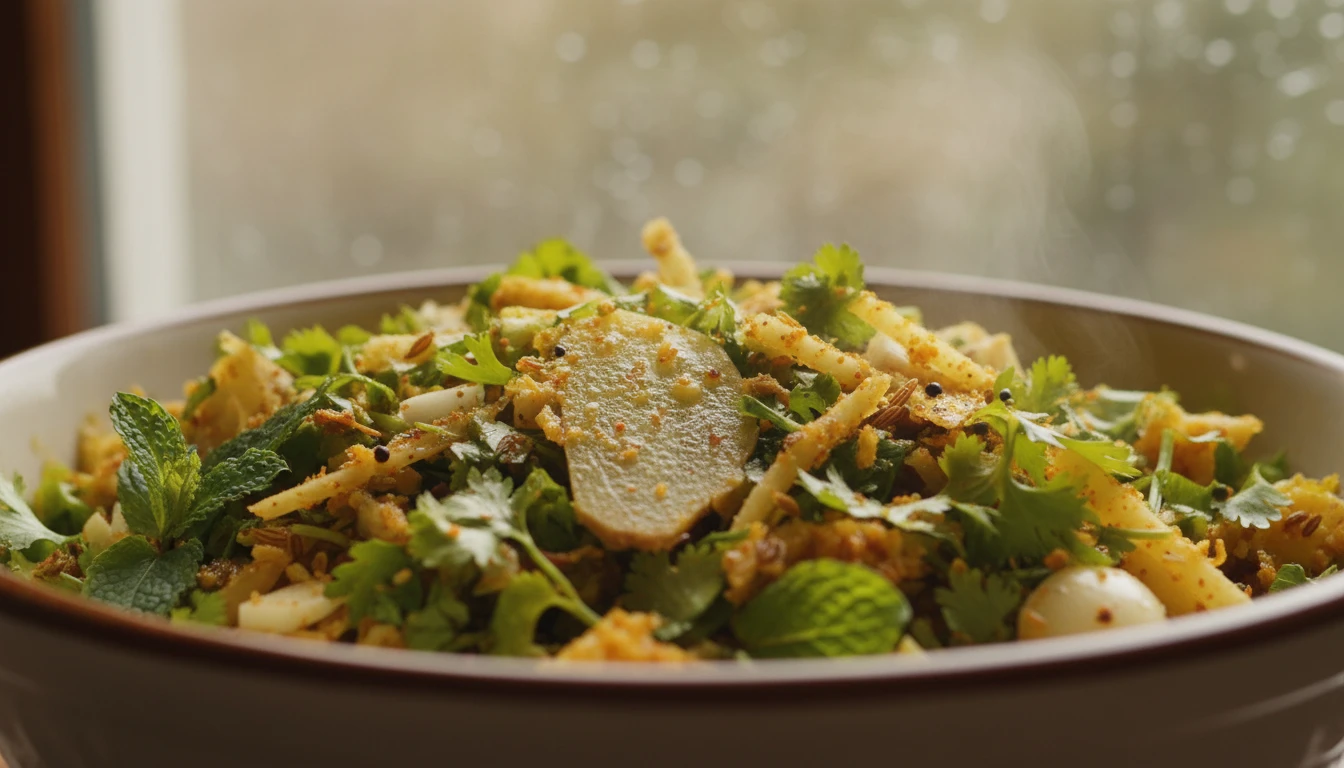
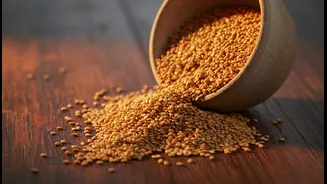
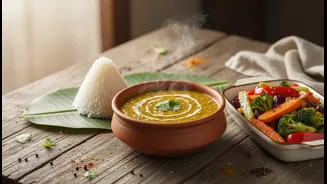
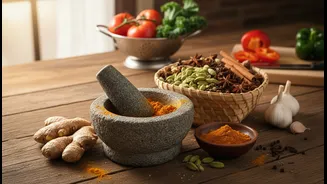
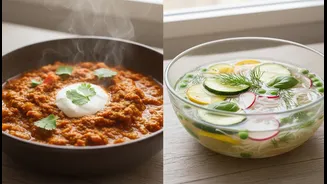
The good news is that a traditional Indian pantry is already a treasure trove of minimally processed ingredients. Dals and legumes like chickpeas, kidney beans, and lentils are foundational. Whole spices—turmeric, cumin, coriander, and mustard seeds—are used to build flavour from scratch, unlike pre-made sauces that can contain hidden sugars and preservatives. Fresh, seasonal vegetables form the base of countless sabzis, curries, and side dishes. Embracing minimally processed eating is less about adopting a new, foreign diet and more about returning to the wholesome, home-cooked meals that have nourished generations.
Smart Swaps for Grains and Flours
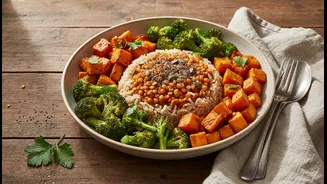
One of the simplest and most impactful changes is rethinking your grains. Many modern kitchens rely on refined white rice and maida (all-purpose flour). A healthier approach is to swap these for their whole-grain counterparts. Opt for whole wheat atta for making rotis and parathas, which retains more fibre and nutrients. Instead of white rice, explore the variety of Indian millets like jowar (sorghum), bajra (pearl millet), and ragi (finger millet), or simply switch to brown rice. These options provide more sustained energy and are better for digestive health.
Choosing Healthier Fats and Oils
The type of fat used in cooking makes a significant difference. While many households have shifted to refined vegetable oils, traditional Indian cooking utilised fats that were less processed. Consider reintroducing cold-pressed oils like mustard, coconut, or groundnut oil, depending on your regional cuisine. These oils retain more of their natural nutrients and flavour compared to their highly refined versions. Ghee, or clarified butter, when used in moderation, is another traditional fat that can be part of a minimally processed diet, offering a high smoke point that is great for cooking.
Rethinking Snacks and Sweets
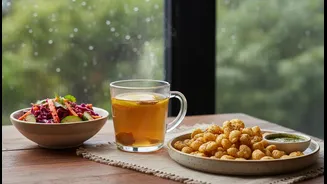
The biggest source of ultra-processed foods often comes from snacking. Packaged chips, biscuits, and namkeens are convenient but typically loaded with sodium and unhealthy fats. A shift to minimally processed snacks can be both delicious and satisfying. Think roasted makhana (fox nuts), a handful of almonds and walnuts, fresh seasonal fruit, or a bowl of homemade dahi. For sweet cravings, instead of reaching for processed sugar, try using dates or a small amount of jaggery (gur). These offer some trace minerals, though they should still be consumed in moderation.