





The Myth of a Single 'Goa Season'
For decades, the Goan travel calendar has been predictable: a frantic peak season from November to February, followed by a long, quiet lull. But this binary is starting to dissolve. Travellers are realising that the state’s charm doesn’t vanish when the last
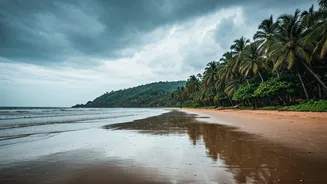
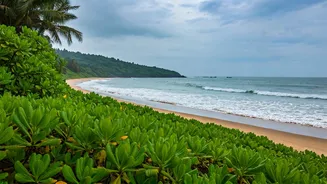
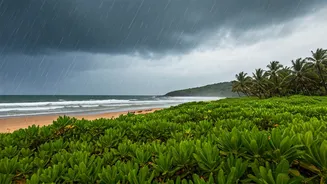
New Year’s party ends. The so-called 'off-season,' particularly the monsoon months from June to September, is being rebranded as the 'green season' — a time when the state sheds its party-hard image and reveals a more tranquil, authentic soul. This shift is driven by a desire for less crowded, more meaningful experiences, moving beyond the packed beaches of Baga and Calangute. While some businesses, like beach shacks, do close, many restaurants, forts, and hinterland attractions remain open, catering to a new wave of curious visitors.
The Perks of a Quieter Paradise
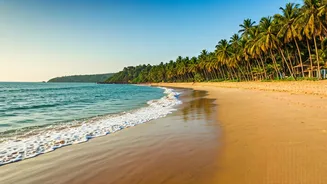
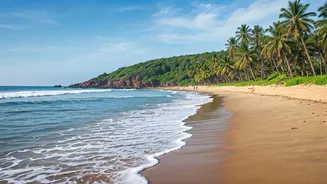
The most immediate benefit of visiting an 'empty' Goa is the cost. Flights and accommodation prices can drop by as much as 40-60% compared to the peak winter months. Luxury hotels that are prohibitively expensive in December become accessible, offering monsoon deals that feel like a steal. But the advantages go far beyond the budget. With fewer tourists, you can explore at your own pace. Imagine strolling through the colourful lanes of Fontainhas in Panaji without jostling for space, or having a vast expanse of a South Goan beach almost to yourself. This relaxed vibe allows for a more intimate connection with the local culture, whether it’s through unhurried conversations with residents or simply finding a quiet spot in a cafe.
A Landscape Reborn in Green
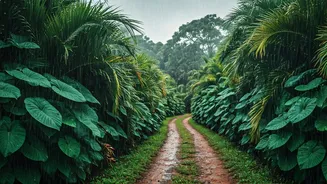
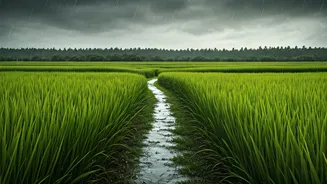
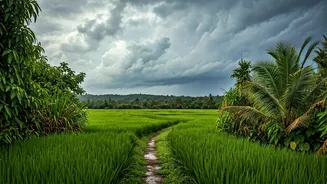
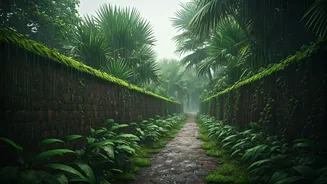
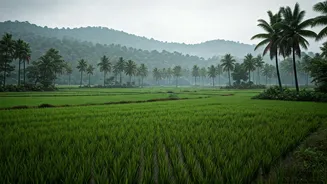
The monsoon transforms Goa into a landscape of breathtaking beauty. The rain washes the dust away, leaving behind a world saturated in vibrant greens. This is the season when Goa's natural wonders truly come alive. Waterfalls like the majestic Dudhsagar and the more secluded Tambdi Surla are at their most powerful and dramatic. The state’s wildlife sanctuaries, such as Cotigao and Mhadei, are open and teeming with life, offering incredible opportunities for bird watching and hiking. Spice plantations become intensely aromatic, offering tours that engage all the senses. Even a simple scooter ride through the winding village roads becomes a scenic adventure, with lush paddy fields and rain-washed Portuguese villas lining the way.
What to Do When the Beaches are Quiet
While swimming in the choppy monsoon sea is generally off-limits, the 'empty' season opens up a host of other activities. It's the perfect time for trekking in the Western Ghats, exploring the misty Chorla Ghat, or taking a river cruise on the Mandovi. Adventure seekers can even find white-water rafting opportunities on the swelling rivers. For a cultural fix, explore the historic forts like Reis Magos or Corjuem, which are far less crowded and offer stunning, moody views. It is also an ideal time to explore Goa’s lesser-known islands, like Divar and Chorao, which offer a glimpse into a quieter, more traditional way of life. Many yoga and wellness retreats also offer discounted sessions, providing a perfect rainy-day activity.
The Smart Traveller’s Approach
Embracing an off-season Goan holiday does require a slight shift in mindset. You're not there for the quintessential beach party; you're there for the atmosphere, the nature, and the peace. It's wise to pack rain gear and waterproof bags for your electronics. While renting a scooter is a Goan rite of passage, rain-slicked roads can be tricky, so app-based taxis can be a safer bet during heavy downpours. Many beach shacks might be closed, but Goa’s culinary scene is vibrant year-round, with many inland restaurants and cafes offering cosy refuge and delicious food. It’s about trading the high-energy buzz of peak season for a slower, more restorative, and arguably more enriching, travel experience.