


Understanding 'Second-Wave' Floods
A 'second-wave' flood isn't a meteorological event; it's a terrifying consequence of geography and physics. The term describes a catastrophic flood that occurs after the initial trigger, such as heavy rain or an earthquake. In Nepal’s mountainous terrain,
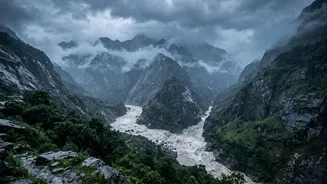
the most common cause is a Landslide Dam Outburst Flood (LDOF). This happens when a massive landslide—often triggered by saturated soil from monsoons or seismic activity—collapses into a river valley, creating a natural, unstable dam made of rock, mud, and debris. This blockage impounds the river, causing water to back up and form a large, temporary lake. The 'second wave' is the violent release of this water when the makeshift dam inevitably fails.
The Anatomy of a River Blockage
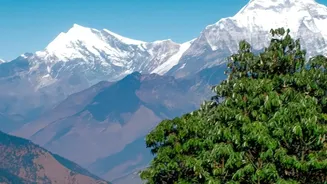
Nepal’s Himalayas are geologically young, steep, and fragile, making them highly susceptible to landslides. Intense monsoon downpours saturate the soil on these slopes, reducing its stability. An earthquake can also shake loose vast quantities of earth. When a hillside gives way, it can dump millions of cubic metres of debris into a narrow river gorge below. This material forms a blockade that can be hundreds of metres thick, effectively stopping the river's flow. Water quickly accumulates behind this dam, and the pressure builds. Unlike engineered concrete dams, these natural barriers are inherently weak and prone to failure.
From Impoundment to Catastrophe
The failure of a landslide dam can happen in two primary ways. The first is overtopping, where the newly formed lake fills to the brim and water begins to spill over the top of the debris wall. This flow can rapidly erode the loose material, carving a channel that quickly widens and causes a total collapse. The second is catastrophic failure due to the immense water pressure from behind. The dam simply cannot hold the weight of the lake and bursts. The result in both cases is the same: a sudden, explosive release of the impounded water. This is not merely a flood; it is a torrent of water mixed with mud, boulders, and debris that moves with incredible speed and destructive force, described as being like 'liquid concrete'. These outburst floods can destroy everything in their path for kilometres downstream, often with very little warning.
A Compounding Climate Crisis
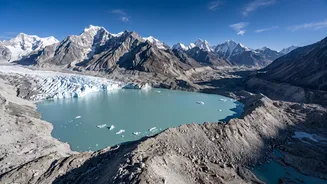
Climate change is exacerbating this risk. Global warming is leading to more erratic and intense rainfall in the Himalayas, increasing the frequency of landslides. It is also accelerating the melting of glaciers, which contributes to another type of second-wave flood: the Glacial Lake Outburst Flood (GLOF). In a GLOF, the moraine dam containing a glacial lake fails, releasing vast amounts of water. Sometimes, a rock or ice avalanche can trigger the event, blocking a river and leading to a flood. This combination of seismic activity, fragile geology, and intensified weather patterns places communities in downstream valleys under constant, complex threat.
The Challenge of Early Warnings
While Nepal has made strides in monsoon preparedness, developing action plans and early warning systems for rainfall-based floods, predicting landslide-dam floods is far more difficult. These events can be triggered without any preceding rainfall at all. Authorities now face the dual challenge of monitoring both weather patterns and upstream river stability. Recent events have highlighted the danger; a devastating flood in August 2026 on the Bhote Koshi river was suspected to be caused by an ice avalanche creating a river blockage. Immediately after, authorities warned of a potential second flood due to another blockage that remained upstream, underscoring the persistent nature of the threat.