







Beyond Just Planting Trees
When we hear 'greener cities', we often picture parks and gardens. While that's part of the story, the current movement runs much deeper. It’s a holistic reimagining of urban life. Think of it as upgrading a city’s operating system from ‘grey’ to ‘green’.
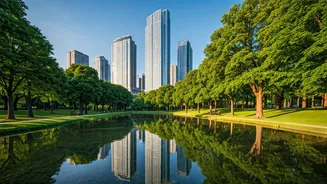
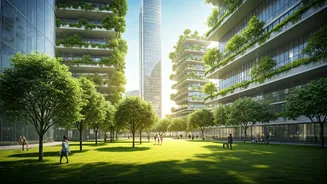
This means integrating nature directly into the urban fabric through initiatives like vertical gardens and rooftop farms. It involves creating 'urban forests' using techniques like the Miyawaki method, which can grow dense, native forests in small patches of land. Mumbai, for instance, has been actively creating these mini-forests in forgotten corners, bringing biodiversity back into the heart of the megapolis. This new approach focuses not just on aesthetics but on function: these green spaces help lower temperatures, reduce air pollution, and improve the mental well-being of residents.
India's Green Champions
This isn't just a theoretical concept; cities across India are already leading the charge. Indore, famous for its six-time win as India's cleanest city, has become a benchmark for sustainable waste management. The city has turned its massive landfill into a green zone and operates a bio-CNG plant that converts organic waste into fuel for its city buses. In the south, Bengaluru continues to nurture its reputation as the 'Garden City' by protecting its lung spaces like Cubbon Park and Lalbagh, while citizen groups actively campaign for the preservation of its thousands of trees. Meanwhile, Surat in Gujarat has been a pioneer in using solar energy to power its water treatment plants, cutting both costs and carbon emissions. These examples show that green innovation is happening in diverse ways, tailored to each city's unique challenges.
The Engine of Change: Policy and People
What’s driving this rapid shift? It’s a combination of top-down policy and bottom-up public demand. The Indian government's Smart Cities Mission has incentivised urban bodies to integrate sustainable solutions into their planning. At the same time, citizens are more aware than ever of the costs of pollution and the benefits of a healthier environment. The push for electric vehicles (EVs) is a prime example. Delhi's aggressive EV policy, offering subsidies and building a vast charging network, has accelerated the transition away from fossil fuels. Similarly, the expansion of metro rail networks in cities like Delhi, Mumbai, and Chennai is a critical component of green urbanism, offering a clean and efficient alternative to private vehicles, thereby reducing traffic congestion and emissions.
Combating Climate and Improving Health
The urgency is fuelled by two major concerns: climate change and public health. Indian cities are particularly vulnerable to the 'urban heat island' effect, where concrete and asphalt absorb and retain heat, making cities several degrees hotter than surrounding rural areas. Green cover, from single trees to large parks, provides shade and cools the air through evapotranspiration. This is no longer a luxury but a critical climate adaptation strategy. Furthermore, the health impacts of living in polluted environments are well-documented. Cleaner air, quieter streets, and accessible green spaces for recreation directly translate to better physical and mental health outcomes for millions of urban dwellers. The pandemic highlighted the deep human need for nature, reinforcing the importance of having parks and open spaces within walking distance.
The Road Ahead is Still Being Paved
Despite the impressive progress, the path to truly green cities is filled with challenges. The primary obstacle is the constant tension between rapid urbanisation and environmental protection. For every new park created, there's often a new high-rise project vying for the same land. Funding for ambitious green projects remains a hurdle, as does ensuring that the benefits of greening are distributed equitably across all neighbourhoods, not just affluent ones. Sustaining these initiatives requires long-term political will and continuous citizen engagement. The key is to embed sustainability so deeply into urban planning that it becomes the default option, not an afterthought.