





In the world of fitness, few workouts seem as different as rowing and ballet. One evokes power and intensity, the other grace and precision. Yet both are praised for their health benefits. So, how do they stack up for heart health and daily fitness?
The Cardio Clash: Heart Rate and Endurance
When
it comes to getting your heart pumping, rowing is a powerhouse. As a full-body, high-intensity workout, it significantly raises your heart rate, strengthening your cardiovascular system. Regular rowing sessions can improve how efficiently your heart pumps blood, enhance circulation, and boost your overall stamina. Because it engages so many muscles at once—studies suggest over 80%—your heart has to work hard to deliver oxygen throughout the body, making it an extremely effective aerobic exercise. Ballet-inspired workouts, often called barre, are typically lower in cardiovascular intensity but shouldn't be underestimated. While not as demanding on the heart as vigorous rowing, barre classes that incorporate flowing movements and light cardio can provide a solid aerobic workout. The focus is on muscular endurance through high repetitions and sustained positions, which elevates the heart rate and improves circulation without the intense bursts of rowing. It's a different, more controlled approach to building stamina.
Building Functional, Everyday Strength
Rowing is renowned as a total-body workout. Each stroke is a coordinated effort, with the legs providing the primary power (about 65-75%), and the core and upper body engaging to complete the movement. This builds functional strength that translates directly into everyday life, from lifting heavy objects to maintaining good posture. It strengthens the legs, glutes, core, back, and arms in one fluid motion, creating balanced muscle development.
Ballet and barre workouts excel at building a different kind of strength: lean muscle tone and deep core stability. These exercises use small, precise, isometric movements that target smaller stabilising muscles often missed in other workouts. Holding positions and performing high-repetition exercises with light weights or bodyweight builds exceptional muscle endurance, particularly in the glutes, thighs, and core. The emphasis on posture and alignment in ballet directly improves how you stand and move throughout the day.
Impact on Joints and Injury Risk
Both rowing and ballet are celebrated for being low-impact, making them excellent choices for protecting your joints. Low-impact exercises are defined as movements where stress on the joints is minimized.
Rowing is performed while seated, which means there is no jarring impact on your ankles, knees, or hips, a stark contrast to exercises like running. This makes it a sustainable option for people of all fitness levels, including those managing joint issues or in active recovery. Studies have shown that the motion can even improve joint mobility in the knees, elbows, and shoulders.
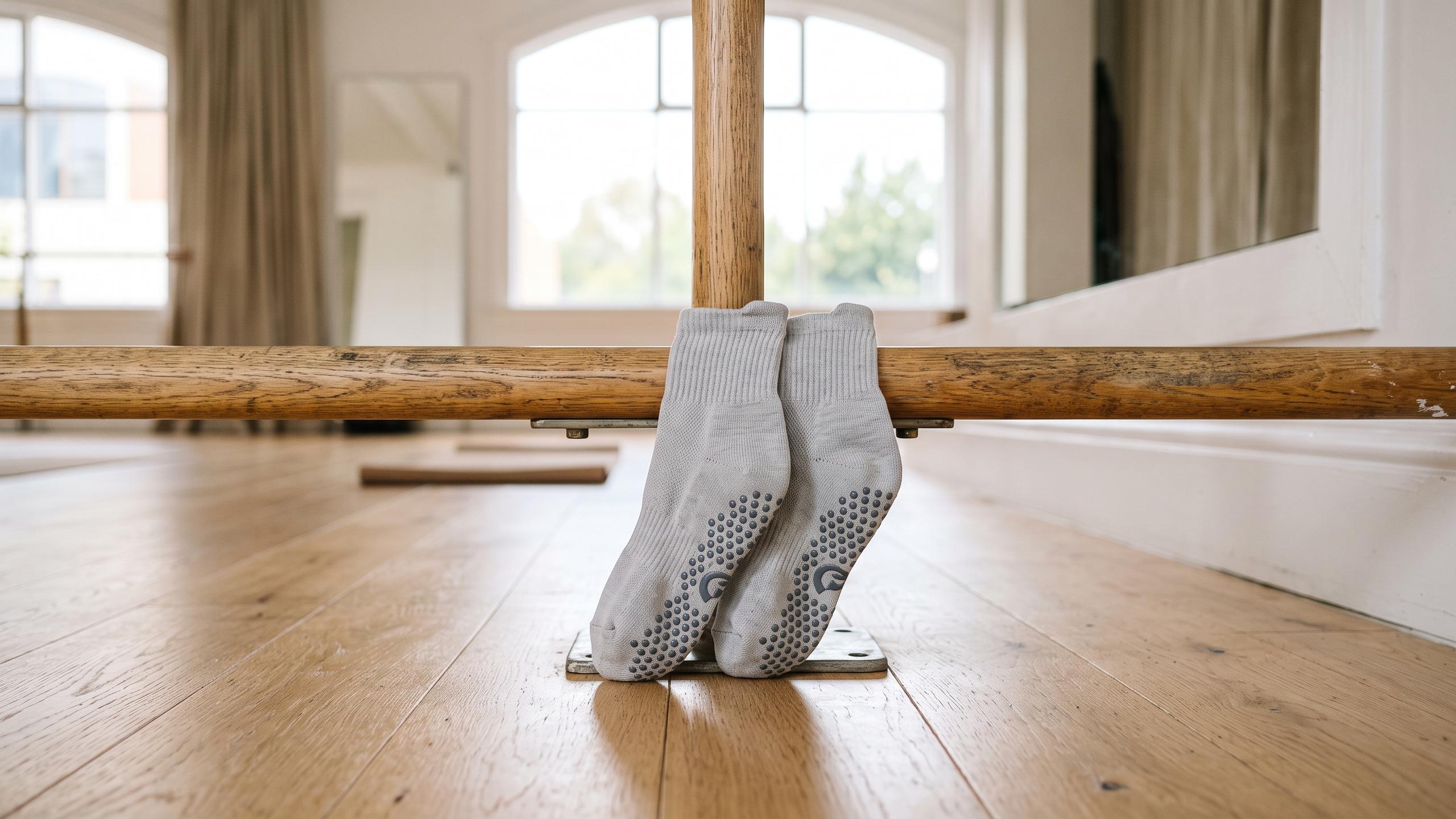
Similarly, ballet-inspired workouts are gentle on the joints. Movements are controlled and fluid, often with one foot remaining on the ground, which avoids the hard landings associated with high-impact cardio. This focus on careful, precise movements not only builds strength without strain but also enhances body awareness, which can help prevent injuries in other activities.
The Verdict: Which Is Right for You?
Choosing between rowing and ballet depends entirely on your personal goals and preferences.
Choose rowing if your main goal is powerful cardiovascular conditioning and building all-over strength efficiently. It's ideal for those who enjoy high-intensity sessions and want a workout that delivers maximum results in terms of both calorie burn and heart health in a single package.
Choose ballet or barre if you're looking to develop lean muscle, dramatically improve your posture, enhance flexibility, and strengthen your core with graceful, controlled movements. It's perfect for individuals who prefer a workout that feels more focused and expressive, with the added benefit of being extremely gentle on the joints.
Ultimately, the two are not mutually exclusive. Combining the high-intensity cardio of rowing with the core stability and flexibility from ballet could create a perfectly balanced fitness routine, giving you the best of both worlds.