






The Undiscovered Gem of Indian Teas
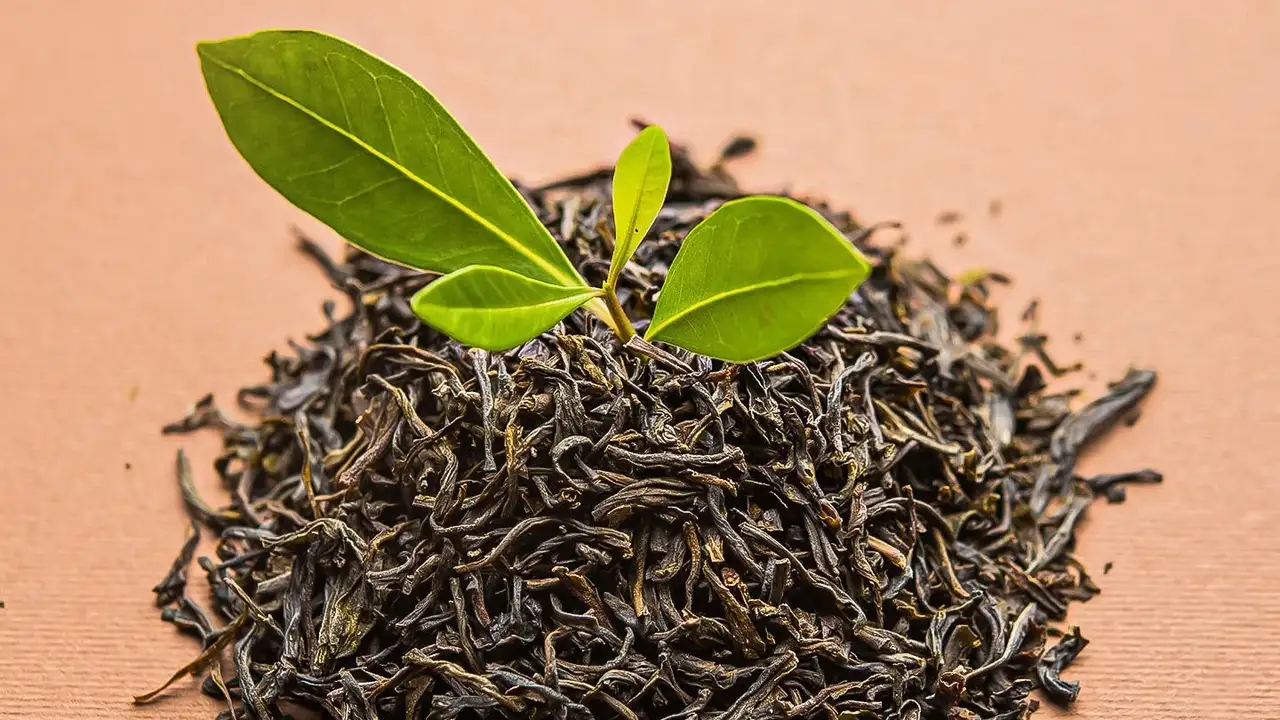
While Assam and Darjeeling often take the spotlight, the teas from the Nilgiri mountains in South India are a hidden treasure. Grown year-round in the Blue Mountains of Tamil Nadu, Nilgiri tea is known for its remarkable fragrance, medium body, and a naturally
smooth, mellow taste. Unlike more robust black teas, Nilgiri varieties have a subtle, almost fruity sweetness and are less astringent. This balanced profile makes them an exceptionally versatile base, perfect for infusions. Critically for iced beverages, Nilgiri tea retains its clarity when chilled and never becomes cloudy or bitter, making it the ideal candidate for cold brewing.
Why Cold Brewing Changes Everything
The magic of cold brewing lies in its gentle, slow extraction. Instead of shocking the tea leaves with boiling water, cold brewing involves steeping them in cold water for several hours. This process extracts significantly fewer tannins, which are the compounds responsible for bitterness and astringency in hot-brewed tea. The result is a noticeably smoother, sweeter, and more refreshing drink that’s easier on the stomach. This natural sweetness means you can drastically reduce or even eliminate added sugar. Furthermore, while the caffeine content is lower, some studies suggest that cold water can be more effective at preserving certain antioxidants.
A Simple Guide to Your First Brew
Making your own cold-brewed Nilgiri tea is incredibly simple. You don't need any special equipment, just a large jar or pitcher. As a general rule, use about one-and-a-half teaspoons of loose-leaf Nilgiri tea (or one tea bag) for every 200 ml of cold water. Simply combine the tea leaves and water in your container, cover it, and place it in the refrigerator. Let it steep for at least 8 to 12 hours, though some enthusiasts leave it for as long as 24 hours for a deeper flavour. Once it has reached your desired strength, strain out the leaves. That's it. You now have a perfect, smooth base ready for flavouring.
Flavouring with Regional Indian Fruits
This is where the creativity begins. The clean, crisp profile of cold-brewed Nilgiri tea is a perfect canvas for India’s diverse fruits. By using ripe, seasonal fruit, you add flavour, aroma, and natural sweetness without refined sugar. Jamun (Java Plum): The deep purple fruit offers a delightful sweet and tart flavour that pairs beautifully with black tea. Simply muddle a few deseeded jamuns at the bottom of your glass before pouring in the cold brew for a vibrant, flavourful infusion. Kokum: Famous along the Konkan coast, dried kokum petals provide a unique tangy and slightly floral sourness. You can make a simple kokum syrup or even infuse the petals directly into your cold brew for a striking pink hue and a refreshing kick. Bael (Wood Apple): Known for its digestive properties, bael has a distinct aroma and a marmalade-like flavour. The pulp can be blended with a little water and strained into the tea for a uniquely cooling and earthy summer drink. Phalsa (Indian Sherbet Berry): These small, dark purple berries have a sweet and sour taste, making them perfect for creating refreshing drinks. Muddle them like jamuns or create a light phalsa syrup to mix into your brew.
Elevate Your Blend Further
Beyond the fruit, a world of herbs and spices can add another layer of complexity to your cold brew. A few crushed mint leaves can amplify the refreshing quality of the drink. For a spicier note, consider adding a slice of fresh ginger or a lightly crushed cardamom pod to the steeping process. A pinch of black salt (kala namak) can also enhance the fruity flavours, especially with tart additions like kokum or jamun, creating a drink that is both sophisticated and deeply rooted in Indian culinary tradition. Don’t be afraid to experiment with combinations like jamun with basil or ber (Indian jujube) with ginger for a truly personalised and healthy beverage.