




The Arctic's Influence on the Monsoon
For millions in India, the monsoon is not just a weather pattern; it is the lifeblood of the economy and agriculture. Scientists are now drawing a clear line between the health of the Arctic and the behaviour of the Indian monsoon. Research shows that
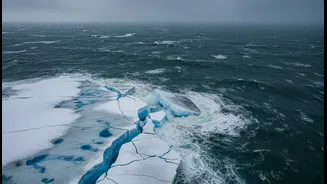
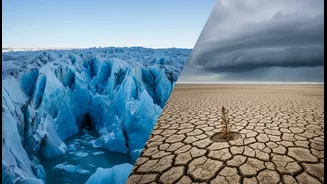
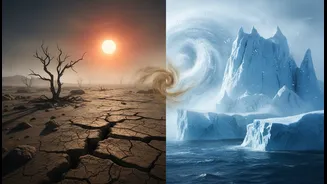
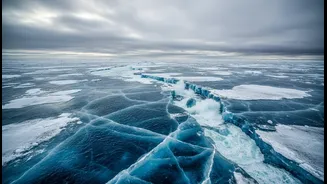
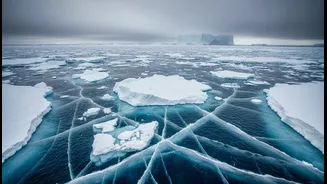
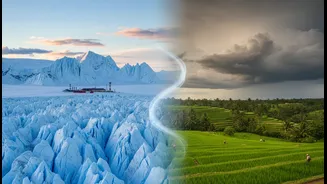
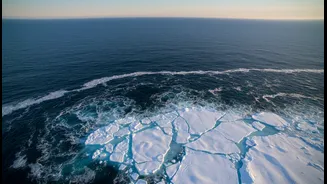
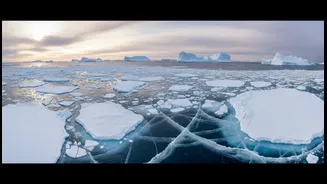
as the Arctic warms faster than the rest of the planet, the massive melt of sea ice disrupts global atmospheric circulation. Studies by institutions like India's National Centre for Polar and Ocean Research have linked declining Arctic sea ice to a westward shift in late-season monsoon rainfall. This can mean less rain for some traditionally wet regions and unexpected deluges in others, creating unpredictability for farmers and water managers. Essentially, a warmer Arctic can make the monsoon more erratic, increasing the risk of both droughts and devastating floods.
An Atlantic Warning Signal
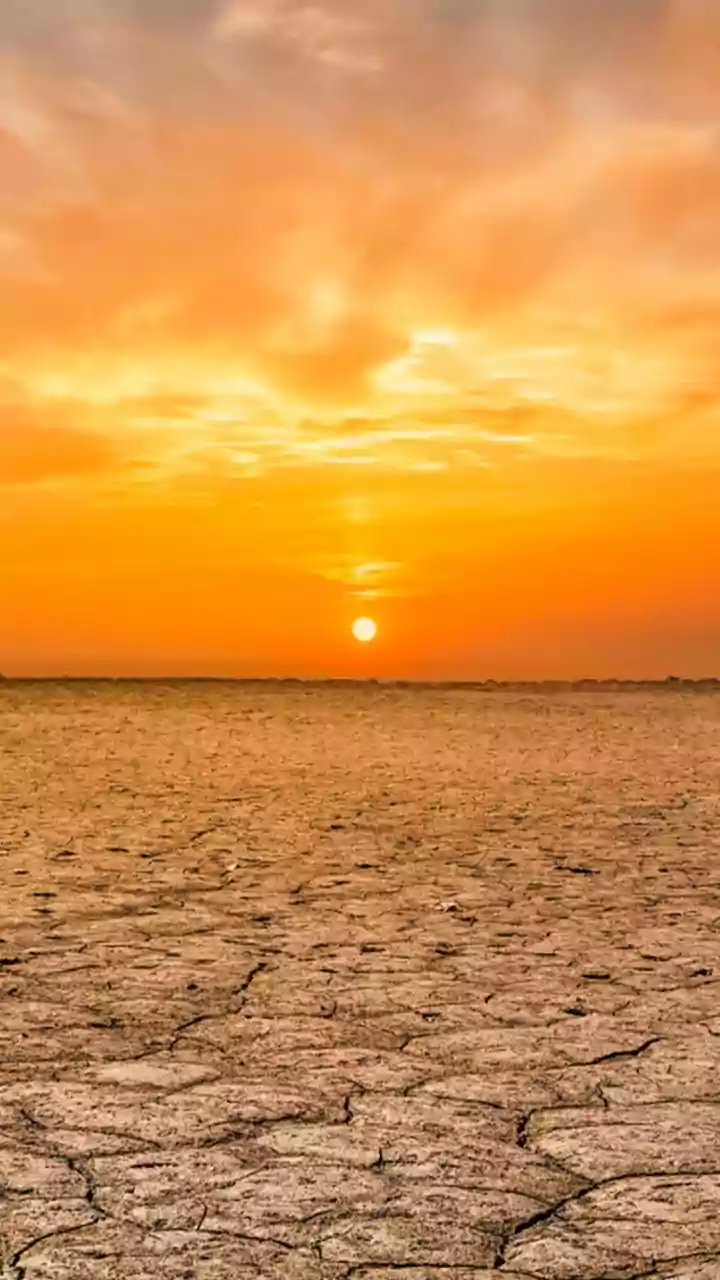
Thousands of kilometers away, a giant system of ocean currents known as the Atlantic Meridional Overturning Circulation (AMOC) acts as a global climate regulator. Often described as a massive conveyor belt, it moves warm water north and cold water south. Alarming new research suggests the AMOC is weakening, potentially far more severely than once thought, due to the influx of freshwater from melting glaciers. A significant slowdown or collapse of this system would not just cool Europe; it could have catastrophic consequences for India. Climate models indicate a weakened AMOC could shift tropical rain belts southward, away from the Indian subcontinent. This could lead to weaker monsoon winds, reduced overall rainfall, and a greater frequency of drought, directly threatening the food and water security of over a billion people.
When Himalayan Glaciers Disappear
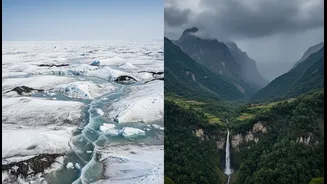
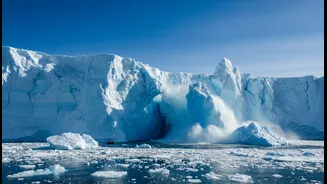
The connection becomes even more direct when we look at the Himalayan glaciers, often called the “Third Pole.” These glaciers are the source of major North Indian rivers like the Ganges, Indus, and Brahmaputra, providing water for drinking, irrigation, and hydropower to hundreds of millions. But studies show these glaciers are retreating at an alarming rate, losing ice 65% faster than in previous decades. In the short term, accelerated melting increases river flow, raising the risk of catastrophic Glacial Lake Outburst Floods (GLOFs) and downstream flooding. But the long-term outlook is far more grim. As glaciers continue to shrink, the dependable flow of meltwater during dry seasons will diminish, leading to severe water scarcity and threatening the agricultural heartland of the country.
From Global Data to Local Reality
These large-scale climate studies are not just academic exercises. They provide the crucial data that powers the climate models used to predict local impacts. When scientists forecast more intense heatwaves in Indian cities, stronger cyclones along the coasts, or changing agricultural zones, their predictions are built upon an understanding of these massive, interconnected global systems. The melting Arctic, the slowing Atlantic, and the retreating Himalayas are all pieces of the same puzzle. They help explain why India is experiencing more frequent and intense extreme weather events, from devastating floods in some regions to crippling droughts in others. Paying attention to these global trends is essential for developing effective, localised adaptation strategies to protect communities.