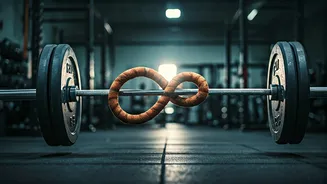









From Overtraining to Smart Training
For decades, the fitness world glorified pushing your body to its absolute limit. Soreness was a badge of honour, and rest days were seen as a sign of weakness. This culture of 'beast mode' often led to burnout, injury, and diminishing returns. But the tide
is turning. A more holistic and scientific approach to fitness is emerging, where recovery is understood as the period when your body actually adapts, repairs, and grows stronger. Today’s gym-goer is more likely to track their sleep quality than to boast about skipping a rest day. This isn't about working less hard; it's about working smarter. The new goal is longevity and sustainable progress, not just short-term intensity.
The Rise of the Recovery Toolkit
Walk into any modern gym or scroll through your Instagram feed, and you'll see the evidence. High-tech gadgets and ancient practices have been reborn as essential recovery tools. Percussive therapy devices, like massage guns, are now a staple in many gym bags, used to release muscle tightness and improve blood flow. Wearable technology from brands like Whoop and Oura provides detailed data on sleep cycles and recovery scores, telling users when to push hard and when to take it easy. Meanwhile, social media is filled with athletes and celebrities, from Virat Kohli to Hrithik Roshan, plunging into ice baths or unwinding in infrared saunas. This visibility has demystified recovery and transformed it from a niche practice for elite athletes into an accessible and aspirational part of everyday fitness.
Why the Sudden Shift?
Several factors are driving this trend. Firstly, access to information has exploded. Podcasts and social media accounts run by sports scientists and physiotherapists have educated the masses on the physiology of muscle growth and the importance of nervous system regulation. This has empowered people to take control of their own training cycles. Secondly, the wellness industry has boomed, framing self-care as a vital component of a healthy lifestyle. Recovery fits perfectly into this narrative. Finally, the stress of modern life has people seeking ways to not only train their bodies but also calm their minds. Practices like contrast therapy (alternating hot and cold) and even simple stretching are valued for their mental benefits as much as their physical ones.
The Undisputed Champions: Sleep and Nutrition
While fancy gadgets and cold plunges get all the attention, experts are quick to remind us that they are supplements, not substitutes, for the fundamentals. The two most powerful recovery tools remain unchanged and are completely free: sleep and nutrition. Sleep is when your body releases growth hormone and performs most of its muscle repair. Consistently getting 7-9 hours of quality sleep is non-negotiable for anyone serious about their fitness. Similarly, proper nutrition provides the building blocks for recovery. Consuming adequate protein helps repair muscle fibres, while carbohydrates replenish the energy stores (glycogen) you depleted during your workout. Hydration is equally critical for flushing out metabolic waste and transporting nutrients to your cells. Before investing in an expensive device, every fitness enthusiast should first ensure their sleep hygiene and dietary habits are in order.