




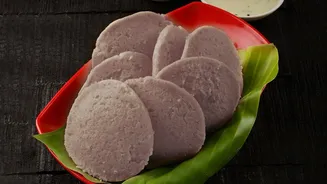
The Magic of Fermentation
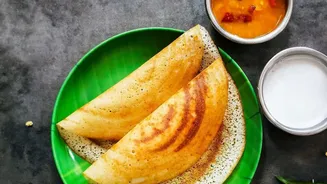
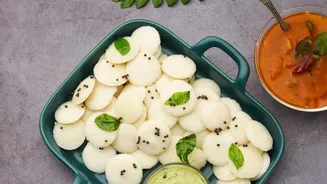
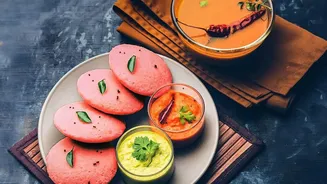
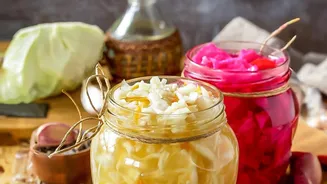
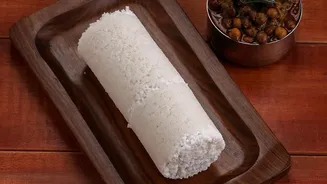
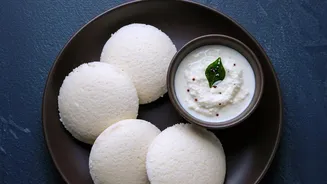
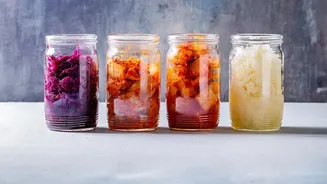
At its core, fermentation is a natural process where microorganisms like bacteria and yeast break down components in food, such as sugars and starches. In South Indian cooking, this often involves soaking rice and lentils, grinding them into a batter,
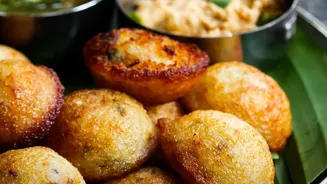
and allowing it to rest for several hours. During this time, beneficial microbes get to work. This doesn't just create the light, airy texture of idlis; it initiates a profound nutritional transformation, turning a simple meal into something much more beneficial for your body.
A Natural Probiotic Boost for Gut Flora
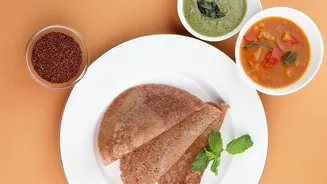
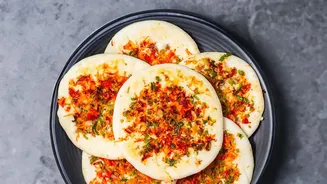
Your gut is home to trillions of microorganisms, collectively known as the gut flora or microbiome. A healthy balance of these microbes is crucial for digestion, immunity, and even mood. Fermented foods are a natural source of probiotics, which are live, beneficial bacteria that help maintain this delicate balance. The batter for idli and dosa is rich in Lactic Acid Bacteria (LAB), such as Lactobacillus. When you consume these foods, you introduce these friendly bacteria into your digestive system, which can help restore the gut's microbial harmony, potentially reducing issues like bloating and indigestion. While the heat from cooking does reduce the live probiotic count, the fermentation process creates a prebiotic-rich environment that nourishes the good bacteria already in your gut.
Unlocking Nutrients for Better Absorption
Many plant-based foods, including grains and legumes, contain compounds called anti-nutrients, like phytic acid. These substances can bind to minerals such as iron, zinc, and calcium, preventing your body from absorbing them effectively. This is where fermentation works its wonders. The process significantly breaks down these anti-nutrients. The enzymes produced during fermentation dismantle phytic acid, thereby 'unlocking' the minerals and making them more bioavailable, meaning your body can absorb and utilize them much more efficiently. Fermentation also synthesizes new nutrients, including essential B vitamins, further enhancing the food's nutritional profile.
Easier Digestion and Enhanced Energy
The fermentation process essentially 'pre-digests' the food for you. The microorganisms break down complex carbohydrates and proteins into simpler, more manageable molecules. This means your digestive system doesn't have to work as hard, making foods like idli and dosa remarkably easy to digest. This is particularly beneficial for individuals with sensitive stomachs. Because the nutrients are more readily available and the food is easier to process, your body can more efficiently convert it into energy, providing a sustained release that keeps you going without the heaviness associated with other meals.
Beyond Idli and Dosa: Other Fermented Staples
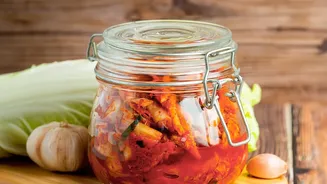
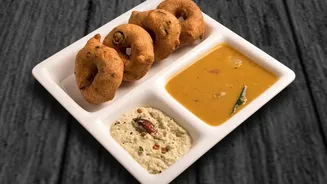
While idli and dosa are the most famous examples, South Indian cuisine is rich with other fermented treasures. Curd (dahi) is a daily staple in many households, providing a consistent source of probiotics. Neer Mor, or spiced buttermilk, is a refreshing drink that soothes the digestive system and aids hydration. Pazhaya Soru, a traditional dish made from leftover rice soaked overnight in water, becomes lightly fermented and is known to be incredibly gentle on the stomach. Each of these foods contributes to a diet that naturally supports a thriving gut microbiome, demonstrating a tradition of wellness that has been practiced for centuries.