






The Real Cost Beyond the Rate
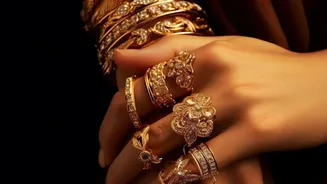
The final price you pay for gold jewellery is never just the per-gram rate multiplied by its weight. The most significant additional cost is 'making charges'. These are fees jewellers add to cover the labour and craftsmanship involved in creating the piece.
They are not a standard, fixed cost and can vary dramatically from one jeweller to another, and even between different designs at the same store. Understanding this component is the first step to ensuring you are not overpaying, especially when the base price of gold is already high.
Decoding Making Charges
Making charges are typically calculated in two ways: as a percentage of the gold's value or as a fixed amount per gram. Percentage-based charges can range from 5% to over 25%, depending on how intricate the design is. A complex, handcrafted necklace will have a much higher making charge than a simple machine-made chain. A flat-rate charge, such as ₹500 per gram, is easier to understand but may not be cost-effective for heavier, simpler pieces. As a buyer, you should always ask the jeweller how they calculate these charges. Since making charges are often negotiable, especially during festive seasons or for larger purchases, don't hesitate to ask for a better price. Some jewellers may also include 'wastage charges', which account for gold lost during production. Always ask for a clear breakdown on your bill.
Purity and Hallmarking Are Non-Negotiable
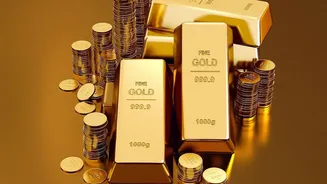
When prices are high, ensuring you get the purity you're paying for is paramount. In India, the Bureau of Indian Standards (BIS) is the official agency for certifying gold. It is now mandatory for jewellers to sell only hallmarked gold jewellery. Look for the BIS hallmark, which consists of the BIS logo, the purity grade (like 916 for 22-karat gold), and a six-digit alphanumeric Hallmark Unique Identification (HUID) number. 22K or '916 gold' means the item is 91.6% pure gold, with the rest being alloys for durability. 24K gold is 99.9% pure but too soft for most jewellery. Always insist on a bill that clearly states the hallmarking details.
The Importance of a Good Buy-Back Policy
Gold is often bought with an eye on its future value. A jeweller's buy-back policy is a crucial factor that determines this value. This policy dictates the terms under which the jeweller will repurchase the gold from you. Most jewellers will buy back gold based on the prevailing market rate on the day of sale, but they will not refund the making charges or GST you originally paid. A good buy-back policy from a reputable jeweller might offer 100% of the gold's value (at the current rate), while others may offer less. Before purchasing, ask for the buy-back terms in writing. This is especially important for high-value items, as a poor buy-back policy can significantly erode your investment value.
Considering Alternatives: Physical vs. Digital Gold
If your primary goal is investment rather than adornment, consider alternatives to physical jewellery. Options like Sovereign Gold Bonds (SGBs) and Gold Exchange Traded Funds (ETFs) allow you to invest in gold without incurring making charges. SGBs are government securities denominated in grams of gold and even pay an annual interest. Gold ETFs are units representing physical gold, which are stored in vaults and traded on the stock exchange. While you don't get to physically possess the gold, these digital forms are a more cost-effective way to invest, especially when prices are high, as you avoid the significant deductions associated with jewellery making and buy-back.