






The Humidity Trap: It's Not More Oil, It's Trapped Oil
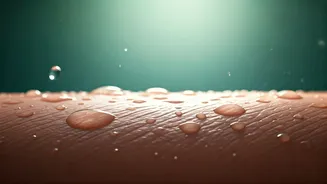
Here's the surprising truth: your scalp isn't necessarily going into overdrive producing more oil (sebum) during the rainy season. The real culprit is the high humidity in the air. Your skin, including your scalp, regulates temperature by sweating. On
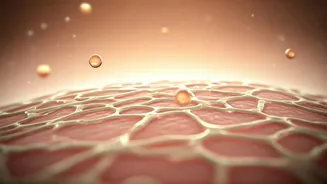
a dry day, sweat and excess oil evaporate easily, leaving you feeling fresh. But when the air is already saturated with moisture during the monsoon, this evaporation process slows down dramatically. Instead of vanishing, the sweat, oil, and daily grime create a sticky, greasy film that sits on your scalp and hair, weighing it down and making it feel perpetually unclean. So, while it feels like you've suddenly developed an oil-producing factory on your head, you're mostly experiencing a traffic jam of moisture and sebum with nowhere to go.
A Playground for Problems
This warm, moist, and oily environment is more than just a cosmetic annoyance; it's a perfect breeding ground for scalp issues. The constant dampness can lead to clogged hair follicles, which may cause inflammation or 'scalp acne'. More commonly, it invites fungal growth. The Malassezia globosa fungus, a naturally occurring yeast on our scalp, feeds on sebum. In the humid, oily conditions of the monsoon, this fungus can proliferate uncontrollably, leading to an irritated scalp and a stubborn case of dandruff. Your hair might also appear limp and lifeless because the weight of the oil and moisture pulls it down, destroying any volume you might have had. This combination of factors is why so many people find their scalp health takes a nosedive as soon as the rains begin.
Adjust Your Cleansing Strategy
The instinct to wash your hair every day to combat the grease is understandable, but it can backfire. Over-washing with harsh, sulphate-heavy shampoos can strip your scalp of its natural oils entirely. In response, your scalp may panic and produce even more oil to compensate, creating a vicious cycle. Instead, focus on smart cleansing. Consider switching to a gentler, sulphate-free shampoo for most days. Once or twice a week, use a clarifying shampoo to deeply cleanse and remove product build-up, excess oil, and mineral deposits from hard water. The 'double shampoo' method is also effective: the first wash breaks down the oil and dirt, while the second wash thoroughly cleanses the scalp. Make sure to concentrate the shampoo on your scalp, where the oil originates, and let the lather run down your strands.
Seek Out Scalp-Soothing Ingredients
The right ingredients can make all the difference in managing a monsoon scalp. Look for products containing salicylic acid, which is excellent for exfoliating the scalp and keeping follicles clear. Anti-fungal agents like ketoconazole or zinc pyrithione are effective in controlling dandruff. For a more natural approach, ingredients like tea tree oil have natural antiseptic and anti-fungal properties. Shampoos and hair masks containing clay, like bentonite or kaolin, are fantastic for absorbing excess oil without being overly drying. Traditional Indian ingredients like neem (for its antibacterial properties) and amla (a natural astringent) can also help balance the scalp. When applying conditioner, focus only on the mid-lengths and ends of your hair, avoiding the roots entirely to prevent adding unnecessary weight and oil.
Lifestyle Habits That Make a Difference
Your daily habits play a huge role in scalp health. Firstly, never tie up your hair when it's wet. This traps moisture against the scalp, creating an ideal incubator for fungus and bacteria. Allow your hair to air-dry as much as possible or use a blow dryer on a cool setting. Secondly, be mindful of your diet. Consuming too many fried, greasy, or sugary foods can sometimes exacerbate oil production. Instead, focus on a balanced diet rich in vitamins and minerals. Finally, resist the urge to constantly touch your hair. Your fingertips transfer oils and dirt to your scalp and strands, adding to the greasy feeling. A clean pillowcase and a clean hairbrush are also non-negotiable for maintaining scalp hygiene.