



Sohra's Secret Season: Why Autumn?
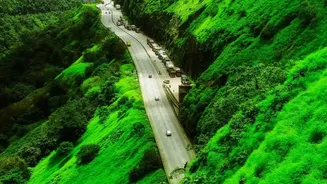
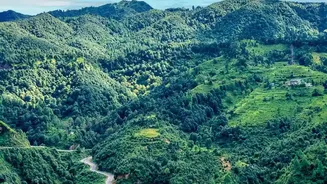
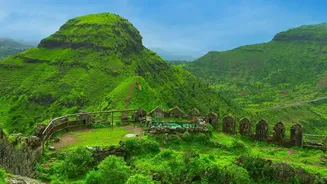
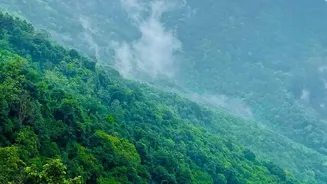
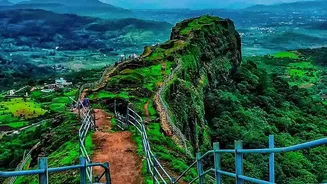
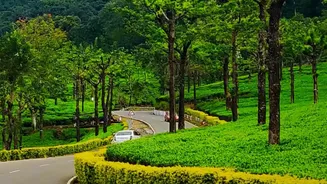
Imagine Meghalaya's landscapes, still impossibly green from the monsoon, but bathed in clear, gentle sunlight. This is Sohra in autumn (October to November). After months of heavy rain, the clouds part to reveal stunning panoramic views. The weather is comfortably
cool and pleasant, with daytime temperatures ideal for trekking and exploration. This period is considered an offbeat time to travel precisely because the peak monsoon crowds have dispersed, offering a more serene experience. You get the best of both worlds: the post-monsoon lushness and waterfalls that are still flowing beautifully, but with dry, safer trails and fewer tourists. This makes it the perfect window for first-time visitors or those who prefer comfortable travel without sacrificing the region's famed natural beauty.
Chasing Post-Monsoon Waterfalls
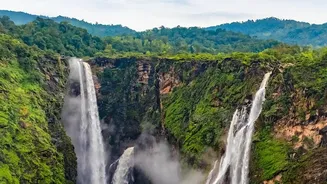
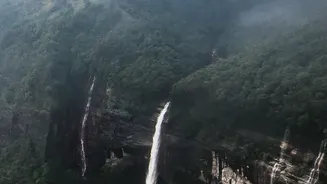
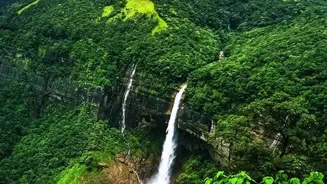
Sohra is legendary for its waterfalls, and autumn does not disappoint. The waterfalls, fed by the season's rains, remain powerful and impressive. Nohkalikai Falls, India's tallest plunge waterfall, is a spectacular sight as it drops into a vibrant turquoise-green pool, often with clearer visibility than during the foggy monsoon months. The famous Seven Sisters Falls (Nohsngithiang Falls) and the dramatic Dainthlen Falls also offer majestic views against the crisp autumn sky. While the sheer volume might be less than at the absolute peak of the monsoon, the trade-off is unobstructed photographic opportunities and the chance to appreciate their grandeur without the disruption of heavy rain.
The Magic of Living Root Bridges
A trip to Sohra is incomplete without witnessing the bio-engineering marvel of the living root bridges. The most famous of these, the Double Decker Living Root Bridge in Nongriat village, is reached via a challenging but rewarding trek of over 3,000 steps. Autumn is arguably the best season for this trek. The path is much safer and more comfortable when it isn't slick with monsoon rain, and the lower humidity makes the strenuous climb more manageable. These incredible structures, hand-guided by the Khasi people from the roots of rubber fig trees, are a testament to living in harmony with nature. The clear, turquoise waters of the natural pools beneath the bridge are often calm enough for a refreshing dip, an experience often impossible during the powerful monsoons.
Beyond the Main Attractions
Autumn's pleasant weather opens up opportunities to explore Sohra's other wonders. Delve into the ancient Mawsmai Cave, a well-lit limestone cave system that offers a glimpse into the region's unique geology. For a more rugged adventure, Arwah Cave presents a darker, more intricate network for explorers. You can also visit the Eco Park for panoramic views of the surrounding valleys and the plains of Bangladesh in the distance. For those seeking even more off-the-beaten-path experiences, the region is dotted with lesser-known waterfalls and sacred groves like the one in Mawphlang, offering deeper insights into Khasi culture and the pristine nature of Meghalaya.
Practical Tips for Your Autumn Journey
Planning a trip to Sohra in autumn requires some preparation. The nearest major airport is in Guwahati (Assam), about 150 km away, with Shillong's smaller airport being closer but with fewer flight connections. From there, you can hire a private taxi or take a shared cab. While the monsoon has ended, it's wise to pack a light raincoat or umbrella for unexpected showers. Days are pleasant, but evenings can get cool, so packing layers and a light jacket is recommended. Though less crowded than in peak season, it is still advisable to book your accommodation in advance, especially if you plan to stay in the popular Nongriat village to be close to the root bridges.