



Beyond Just Eating
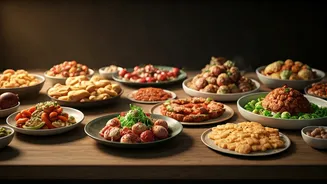
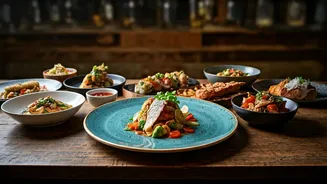
Let’s be clear: a food trail is not just about eating out while on holiday. An ordinary vacation might include a few nice dinners. A food trail, however, is a curated journey where food is the protagonist. It's a deliberate exploration of a region’s culture,
history, and identity through its cuisine. Think of it as a story with a menu. You follow the narrative of a dish from the farm to the market, from the street-side vendor to the royal kitchen. It’s an active, immersive pursuit, not a passive afterthought. Instead of ticking off a list of forts and beaches, you’re collecting flavours, techniques, and the stories of the people who make the food.
A Direct Path to Culture
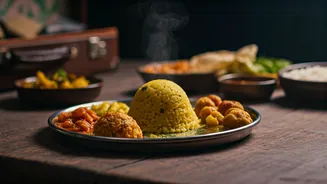
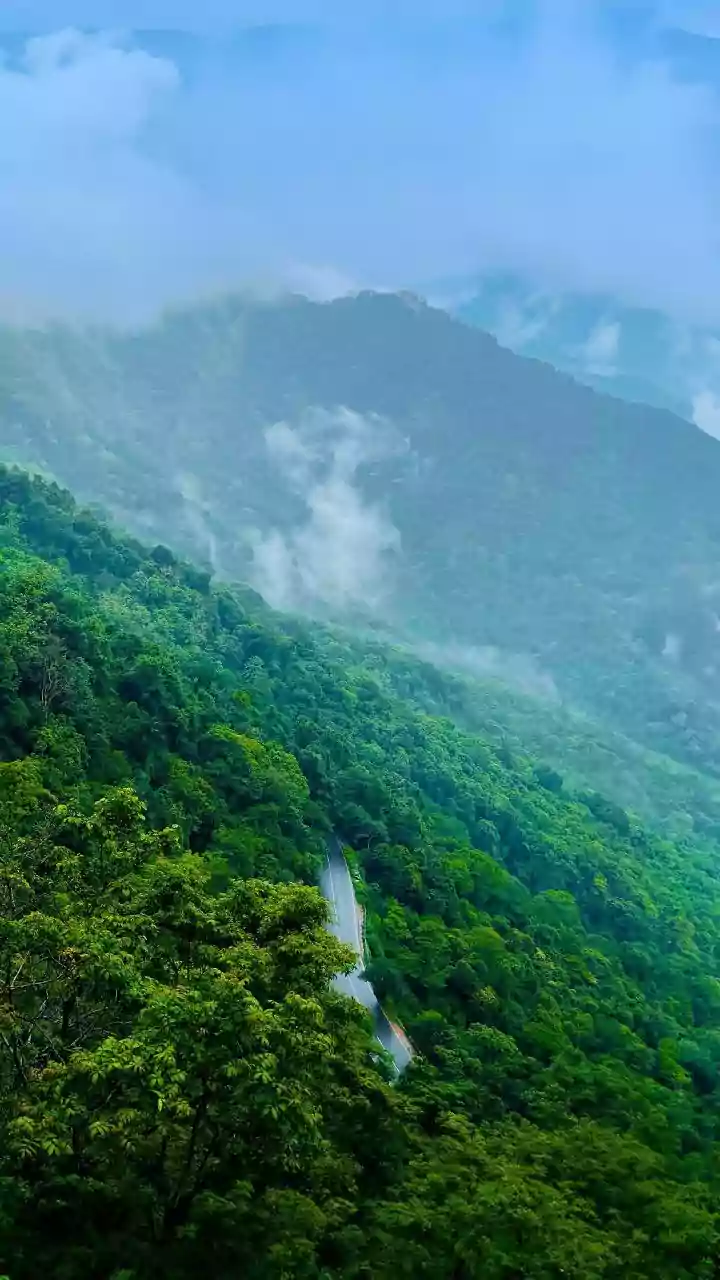
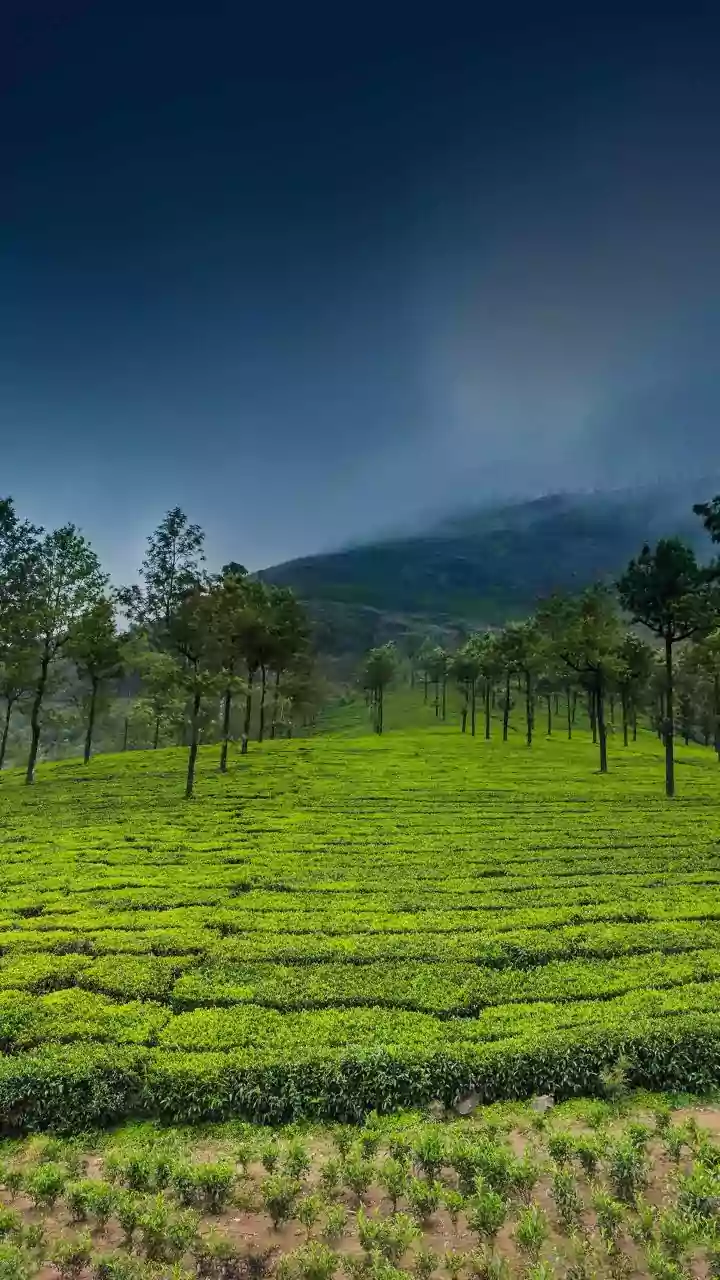
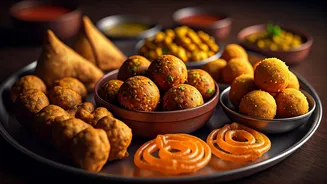
You can look at a monument, but you can taste its history. Food is the most direct and delicious entry point into a culture. A walk through Old Delhi is one thing; a chaat trail through its winding lanes is another. Each bite of Daulat ki Chaat or spicy Aloo Tikki tells a story of Mughal influences and generations of culinary tradition. A journey through Kerala’s spice plantations isn’t just about scenic beauty; it’s about understanding the global trade routes that shaped the region’s history, culminating in a Sadya feast where every dish reflects that legacy. Food connects the dots between agriculture, economics, history, and community in a way that simply looking at a landmark rarely can.
An Adventure for All Senses
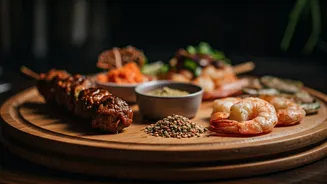
Ordinary vacations often privilege one sense: sight. You look at the mountains, the sea, the architecture. A food trail engages everything. It’s the sizzle of a tawa in a Lucknow lane, the fragrant steam rising from a pot of Hyderabadi biryani, the vibrant colours of a Goan fish market, the rough texture of a freshly baked Rajasthani roti, and, of course, the explosion of flavour in your mouth. This multi-sensory engagement creates memories that are far more vivid and lasting. You don’t just remember seeing the place; you remember how it smelled, sounded, and tasted. It’s the difference between watching a film and being in it.
The Human Connection
Following a food trail inevitably leads you to people. You’ll meet the third-generation Chettinad cook who guards her family’s masala recipe, the coffee grower in Coorg who explains the nuances of his beans, or the jolly aunty in Goa who teaches you the secret to a perfect Vindaloo. These are interactions that go beyond the transactional nature of typical tourism. Sharing a meal or learning a recipe builds an immediate, genuine rapport. You leave not just with a full stomach, but with a deeper appreciation for the local way of life, shared through the universal language of food. These human connections are often the most cherished souvenirs.
Finding Your Flavour
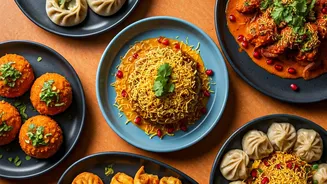
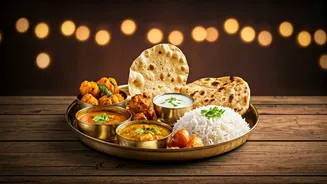
The beauty of a food trail is its diversity. India offers a staggering array of options. You could embark on a royal culinary journey through Rajasthan, sampling Laal Maas and Ker Sangri in heritage properties. You could trace the path of Parsee cuisine in Mumbai, from iconic bakeries to traditional cafes. A seafood lover could design a trail along the Konkan coast, while a vegetarian could explore the intricate flavours of a Kathiawadi thali in Gujarat. Whether it’s exploring the complex Wazwan feast in Kashmir or hunting for the best puchkas in Kolkata, there is a trail for every palate. It transforms you from a tourist into a culinary explorer.