






Why More Fibre Matters
Dietary fibre is a plant-based carbohydrate that plays a crucial role in our health. It aids digestion, helps maintain regular bowel movements, and can prevent constipation. A high-fibre diet makes you feel fuller for longer, which can help with weight
management. It also plays a role in regulating blood sugar levels, lowering cholesterol, and feeding the good bacteria in your gut. Health guidelines suggest adults should aim for 25-38 grams of fibre daily, but many of us fall short of this target.
The Great Grain Swap: Rice to Millets
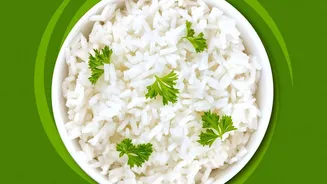
White rice, a staple in many diets, is a refined grain, meaning its fibrous outer layers have been removed. Millets, on the other hand, are ancient whole grains that are making a comeback for good reason. Varieties like jowar (sorghum), bajra (pearl millet), and ragi (finger millet) are packed with nutrients. Millets contain significantly more fibre than white rice, often two to three times as much, which helps improve digestion and keeps you feeling satisfied. They also offer more protein and essential minerals like iron and calcium. Because of their complex carbohydrates and lower glycemic index, millets release energy slowly, preventing the sugar crashes associated with refined grains.
How to Start with Millets
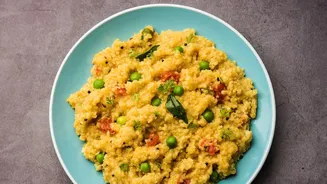
Switching to millets doesn't mean you have to give up rice entirely. Start by replacing one meal a day. You can try a millet upma for breakfast, use jowar flour for your rotis at lunch, or cook millet as you would rice to accompany your dinner curries. Many millets have a neutral flavour and can be seamlessly incorporated into dishes like khichdi, pulao, and even dosa.
Power Up with Pulses and Legumes
Your pantry's dal and legume collection is a fibre goldmine. Lentils (dal), chickpeas (chana), and kidney beans (rajma) are excellent sources of both soluble and insoluble fibre. A single cup of cooked lentils or beans can contribute a significant portion of your daily fibre needs. Incorporating a dal with every main meal, adding chickpeas to salads, or enjoying a bowl of rajma are easy ways to boost your fibre intake. Sprouts made from moong or other legumes also make a fantastic high-fibre snack or addition to salads.
Rethink Your Flours and Snacks
The flour you use for rotis and parathas can also be upgraded. Instead of relying solely on refined flour (maida), switch to whole wheat flour (atta), which retains its natural fibre. For an extra boost, try mixing in flours made from millets like jowar, bajra, or ragi, or even sattu (roasted gram flour). When it comes to snacks, trade packaged, processed options for whole foods. A handful of nuts like almonds and walnuts, seeds, or a piece of fruit are simple, satisfying, and fibre-rich alternatives.
A Gradual and Hydrated Approach
When increasing your fibre intake, it's important to do so gradually. A sudden, drastic change can sometimes lead to bloating or gas as your digestive system adjusts. Start with one swap at a time and see how your body feels. It's also crucial to drink plenty of water throughout the day. Fibre works best when it absorbs water, which helps soften stool and ensures it moves smoothly through your digestive tract.