



Why More Fibre Matters
Dietary fibre, the part of plant-based foods that your body can't digest, is crucial for good health. A high-fibre diet aids digestion, helps prevent constipation, and can lower your risk of chronic diseases like heart disease and diabetes. There are
two types: soluble fibre, which dissolves in water to form a gel-like substance that can help lower cholesterol and blood sugar, and insoluble fibre, which adds bulk to stool, promoting regularity. Many Indian foods are naturally rich in both, making it easy to meet your daily needs.
Upgrade Your Staple Grains
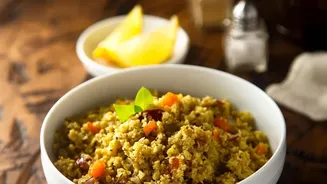
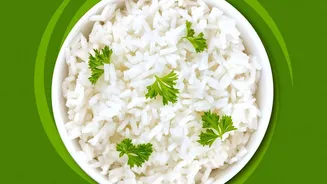
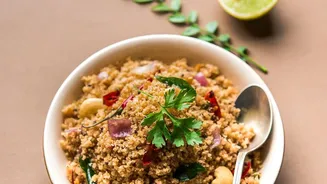
One of the easiest switches is moving from refined grains to whole grains. Replace white rice with brown rice or, even better, incorporate millets like jowar (sorghum), bajra (pearl millet), and ragi (finger millet) into your meals. Millets contain significantly more fibre than polished white rice—in some cases, 30 to 50 times more. Instead of using refined flour (maida), opt for whole wheat flour (atta) for your rotis and parathas. Even small changes, like making dosas with ragi or oats batter, can make a difference.
Embrace the Power of Pulses
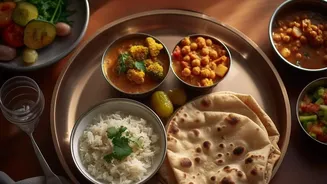
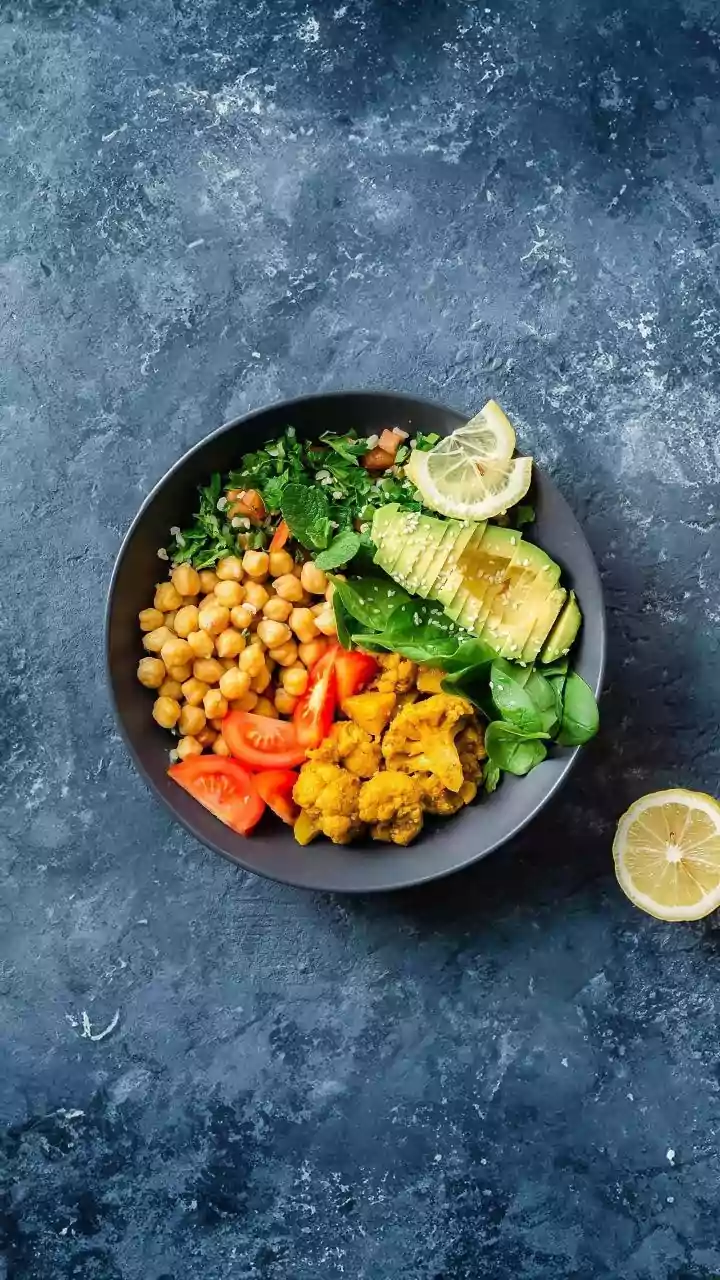
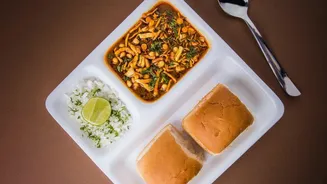
The Indian kitchen is already home to a vast array of dals, legumes, and beans. Make them a daily feature. Lentils like moong and masoor, and beans like rajma (kidney beans) and chana (chickpeas), are powerhouses of both protein and fibre. Including a dal or a bean-based dish with every main meal is a simple strategy. Think beyond just dal; add sprouts to salads, make chana chaat for a snack, or mix boiled chickpeas into your vegetable preparations.
Fill Half Your Plate with Vegetables
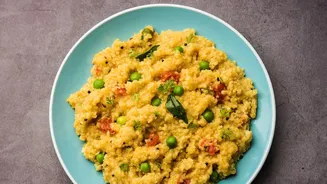
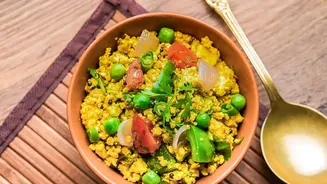
A common recommendation from nutritionists is to fill half your plate with vegetables, and for good reason. Common Indian vegetables like okra (bhindi), spinach (palak), green peas, beans, and cauliflower are great sources of fibre. Try to include a sabzi with every lunch and dinner. Don't be afraid to add extra vegetables to dishes like poha, upma, or khichdi. And remember to eat whole fruits like guava, apples, and bananas instead of drinking fruit juices to retain all the beneficial fibre.
The Magic of Seeds and Nuts
A small handful of nuts and seeds can provide a significant fibre boost. Sprinkle a tablespoon of flaxseeds or chia seeds over your yoghurt, porridge, or salads. Almonds and walnuts also make for a healthy, fibre-rich snack between meals. These additions are not only easy but also add a pleasant texture and a wealth of other nutrients to your diet.
Smart and Simple Adjustments
Start small to make the changes stick. You don't need to transform your entire diet overnight. Begin by swapping one meal's grain, adding a salad to your dinner, or choosing a fruit for a snack instead of a packaged biscuit. Another key tip is to stay hydrated. Fibre works best when it absorbs water, which helps soften your stool and allows it to pass smoothly through your digestive system.