





A Fresh Take on Tradition
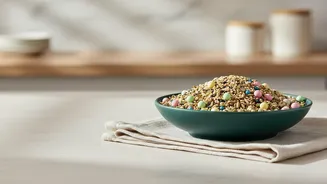
For generations, mukhwas has been an unorganised, unbranded product, scooped out of large glass jars at neighbourhood stores or served at restaurants as a customary digestive aid. While an integral part of Indian culture, it rarely saw innovation. Today,
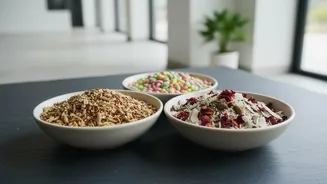
a new wave of youth-led brands is changing that narrative. These entrepreneurs are reimagining mukhwas not just as a simple mouth freshener, but as a premium, health-conscious snack. They recognised a market gap for a product that retained its traditional essence while meeting modern demands for hygiene, quality, and sophisticated branding. This shift involves moving away from loose, inconsistent products to meticulously crafted blends in attractive, sealed packaging that appeals to a new generation of consumers.
The 'Clean Label' Revolution
A key driver of this transformation is the 'clean label' movement, a growing consumer demand for food with natural, simple, and easily recognisable ingredients. New-age mukhwas brands are built on this philosophy. They are ditching artificial colours, flavours, and preservatives that often characterise mass-produced varieties. Instead, they use 'clean natural extracts' and wholesome ingredients. This means using jaggery or coconut sugar instead of refined sugar, employing natural colouring from ingredients like beetroot or turmeric, and focusing on the inherent health benefits of their components. Brands like JoySpoon, which appeared on Shark Tank India, highlight their reduced sugar content and use of all-natural ingredients as a major selling point. This focus on transparency and health is resonating with urban consumers who are increasingly reading ingredient labels and avoiding artificial additives.
From Local Bazaars to Supermarket Shelves
Getting a traditional product onto the shelves of modern supermarkets requires a strategic overhaul of packaging, branding, and distribution. Unlike the simple plastic pouches of the past, these new brands use sleek, reusable glass jars and resealable packets that ensure freshness and look appealing in a modern retail environment. The branding tells a story of heritage meeting health, often highlighting the artisanal, handmade nature of the product. This premium positioning allows them to create a distinct category that stands out. Brands are leveraging both online direct-to-consumer (D2C) channels and offline retail partnerships with supermarkets and gourmet stores. This dual approach ensures they can reach customers who are actively searching for healthy snacks online as well as impulse buyers browsing the aisles of their local grocery store. The goal is to make mukhwas a convenient, grab-and-go product, much like a chocolate bar or a pack of mints.
Meet the Innovators
Several brands are at the forefront of this trend. JoySpoon, founded by husband-and-wife duo Yash and Vaishali Mehta, was born from a desire to modernise the homemade mukhwas Vaishali’s family had been making for years. They focus on supari-free, low-sugar blends with unique flavours like 'Almond Delight' and 'Cashew Rose', tapping into the market for clean-label alternatives. Another example is Tummy Pops, which creates handmade, sun-dried mukhwas in small batches using traditional recipes. Their range includes diverse flavours based on Ayurvedic principles, such as Anardana and Gulkand, all packed in eco-friendly glass jars and refill pouches. Brands like Organic Wellness and Refresh are also prominent in the online space, offering certified organic mukhwas and digestive mixes that highlight the purity of their ingredients like flax seeds, sesame, and jaggery. These innovators are proving that with the right approach, even the most traditional products can find a loyal following among modern, health-aware consumers.