




In a world saturated with wellness apps, AI health coaches, and wearable trackers, you might think technology has conquered personal wellbeing. But new 2026 research from McKinsey paints a more complex, and human, picture.
The Human Element Reigns Supreme
McKinsey's latest 'Future of
Wellness' survey, released in late 2026, confirms a fascinating paradox: while more than half of consumers now use AI for wellness, their trust hasn't followed suit. When it comes to the advice that actually shapes their purchasing decisions, reliance on healthcare practitioners, friends, and family far outweighs AI chatbots. According to the report, a quarter of all consumers said they wouldn't use AI for their health in the coming year, with nearly half of that group citing a direct preference for human expertise. This highlights a core truth of the wellness journey—while data is useful, the guidance we trust most comes from a person, not a processor.
Why We Still Crave Human Connection
So, why the persistent preference for people over programs? Experts point to a 'backlash against over-optimization'. The constant pressure to track, measure, and score every aspect of our lives—from sleep to steps—can lead to fixation and burnout. Wellness, at its core, is not just about clinical data; it’s about emotional support, empathy, and accountability. A human practitioner, be it a doctor, therapist, or coach, offers nuanced understanding that an algorithm cannot replicate. They can read between the lines of your data, understand your unique life context, and provide the kind of encouragement and trust that fosters real, lasting change. This 'social health' trend, where community becomes a form of medicine, is gaining momentum.
Where Technology Finds Its Place
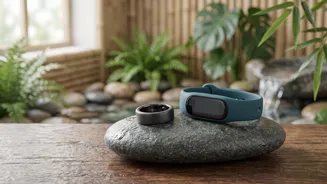
This doesn't mean technology is being discarded. In fact, AI and digital tools are becoming powerful assistants in our wellness routines. The McKinsey report notes that consumers are using AI to get product recommendations, summarize reviews, and for meal planning. For many, AI is a useful tool for making sense of a diagnosis or treatment plan they have already received from a doctor. Only a small fraction—14 percent of AI users—said a chatbot's advice led them to skip a doctor's visit entirely. Wearables, at-home testing kits, and specialized apps are empowering people to take a more active role in their health by providing personalized data and on-demand information, a trend some call 'biohacking'.
The Hybrid Future of Wellbeing
The future of wellness isn't a battle between humans and technology, but a partnership. The most effective approach combines the best of both worlds. Think of a therapist who uses an app to assign and track mindfulness exercises between sessions, or a nutritionist who analyses data from a client’s glucose monitor to create a truly personalized eating plan. This hybrid model leverages technology for what it does best—collecting data and providing accessible information—while reserving the crucial roles of interpretation, motivation, and trust for human experts. It allows for a system where tech enhances, rather than replaces, the human touch.
Building Your Own Smart Wellness Plan
For anyone navigating their own health journey, this research offers a clear takeaway. Embrace the tools that technology offers. Use apps and wearables to gather information and build awareness about your habits. But don’t stop there. Bring that information to a trusted human professional—a doctor, a trainer, or a registered dietitian. Use your data as the starting point for a richer conversation. This approach allows you to move beyond just tracking numbers and toward a deeper, more holistic understanding of your health, guided by both smart technology and irreplaceable human wisdom.