



Jamun (Indian Blackberry)
The deep purple, tangy-sweet jamun is an iconic monsoon fruit. Its arrival at local markets signals that the rainy season is truly here. Beyond its unique flavour, jamun is packed with antioxidants, iron, and vitamin C. It's known to aid digestion and is often
recommended for regulating blood sugar levels. Enjoy them fresh with a sprinkle of salt to balance the tartness, or explore making a vibrant, refreshing juice. Their availability is fleeting, making them a special treat to be enjoyed during Shravan.
Corn (Bhutta)
Nothing says monsoon in India quite like roasted corn on the cob, or 'bhutta'. This seasonal staple is more than just a nostalgic snack; it's a great nutritional choice. Corn is a good source of fibre, which supports gut health, an important consideration when digestion can be sluggish during the humid months. It also provides B vitamins and antioxidants. Whether you like it roasted over charcoal and slathered with lime and spices, or boiled and tossed into a salad, corn is a versatile and satisfying addition to your Shravan diet.
Gourds (Lauki and Turai)
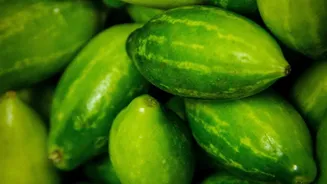
Bottle gourd (lauki) and ridge gourd (turai) are mainstays in many Indian kitchens during Shravan, and for good reason. These vegetables are incredibly light on the stomach, hydrating, and easy to digest, making them perfect for the sattvic diet observed during this month. They cook quickly and absorb the flavours of mild spices beautifully. A simple lauki curry made with rock salt (sendha namak) and cumin is both compliant with fasting rules and deeply nourishing. Their high water content also helps keep you hydrated.
Pears (Nashpati)
Crisp, juicy, and refreshingly sweet, the Indian pear, or nashpati, is another monsoon delight. Pears are an excellent source of dietary fibre, which promotes a feeling of fullness and aids digestion. They are also rich in immunity-boosting vitamin C, which is especially beneficial during a season known for colds and infections. They make for a perfect, healthy snack on their own and can be a great addition to a fruit chaat for an evening meal during fasts.
Leafy Greens (Palak and Rajgira)
The monsoon brings a variety of fresh leafy greens to the market. While some are avoided, others like spinach (palak) and amaranth leaves (rajgira bhaji) are excellent choices. Rajgira, in particular, is an iron powerhouse, making it a crucial vegetable when meat is avoided. Palak is also nutrient-dense and versatile. A simple dal with palak can be a wholesome meal. These greens are best when cooked, as this aligns with the Ayurvedic principle of eating warm, cooked foods during the damp monsoon season to support digestion.
Sweet Potato (Ratali)
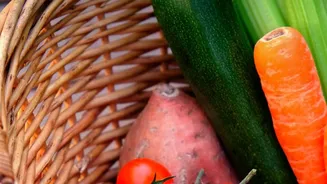
Often associated with fasting, the sweet potato, or ratali, is a nutritional gem. It offers complex carbohydrates for sustained energy, making it a filling option for those observing fasts. It's naturally sweet and can be prepared in various ways – simply boiled with a pinch of rock salt, roasted, or made into savoury tikkis. Its versatility and nourishing properties make it an essential item on any Shravan grocery list.