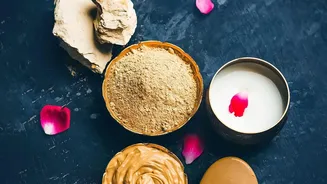






The idea of smoothing a rich, chocolate-scented mask over your face sounds like the ultimate self-care treat. It’s luxurious and indulgent, but does it do more than just feel good? Let’s separate the sensory pleasure from the science.
The Allure of Edible Skincare
Chocolate face masks
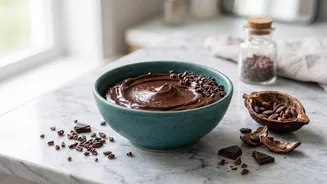
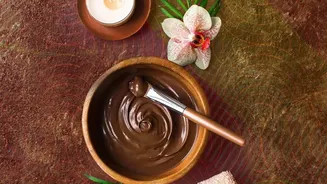
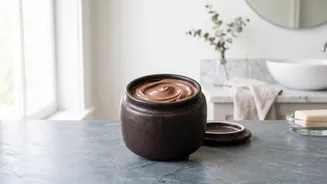
have become a staple in the world of DIY beauty and spa treatments, promising a decadent experience that supposedly leaves your skin glowing. The appeal is obvious. It combines the sensory pleasure of chocolate—its rich aroma and velvety texture—with the ritual of self-care. Brands and beauty influencers often highlight its antioxidant properties, suggesting that what's good for your body must be good for your face. This narrative is powerful, turning a simple skincare step into a moment of luxurious escape that feels both naughty and nourishing.
The Feel-Good Factor: More Than Skin Deep
There's no denying that applying a chocolate face mask feels incredible. The psychological benefits of such rituals are very real. Studies and psychologists note that structured routines, like a multi-step skincare regimen, can reduce anxiety and create feelings of control. The simple act of setting aside time for yourself is a form of self-care that can lower stress. The sensory experience—the pleasant smell and texture—enhances this effect, making the ritual comforting and enjoyable. In this sense, the benefit is real, even if it’s more about your mental state than a physical change in your skin cells. This feeling of being pampered is a valid and important part of wellness.
The Science: What Cocoa Can Do for Skin
So, what about the proven benefits? The claims centre on cocoa's high concentration of antioxidants, specifically flavonoids and polyphenols. These compounds are known to fight free radical damage, which contributes to premature aging. Studies have shown that consuming high-flavanol cocoa can improve skin hydration, elasticity, and even offer some protection against UV damage. When applied topically, research suggests cocoa powder's antioxidants can penetrate the outer layer of the skin. Some forms of cocoa also have anti-inflammatory properties that can help soothe redness and irritation. Furthermore, cocoa butter is an excellent emollient, meaning it helps moisturize and protect the skin's barrier. The key is the form and concentration; raw cocoa powder is rich in these beneficial polyphenols, while cocoa butter primarily offers moisture.
The Expert's Take: A Dose of Reality
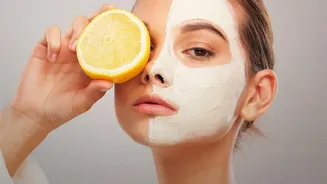
While the science behind cocoa is promising, dermatologists often bring a dose of reality. The effectiveness of a face mask depends heavily on the concentration of active ingredients and the formulation's ability to penetrate the skin. With a DIY chocolate mask, it's nearly impossible to know if you're getting a high enough concentration of flavonoids to make a difference. Some dermatologists argue the antioxidant particles in cocoa powder may be too large to be significantly absorbed by the skin. Furthermore, what you mix the cocoa with matters. Common DIY ingredients like sugar can have jagged edges that create microstears in the skin, while others like lemon juice can be overly acidic and cause irritation or even chemical burns when exposed to sun. Even natural ingredients like coconut oil can be comedogenic, meaning they clog pores and may worsen acne. A professionally formulated product will be tested for stability, pH balance, and effectiveness, which is something a kitchen concoction can't guarantee.
The Verdict: Indulgence with a Side of Benefits
So, are chocolate face masks a gimmick? Not entirely, but it's best to frame them as a delightful self care ritual rather than a potent dermatological treatment. The primary benefit for most people will be the psychological boost and the momentary pleasure of the experience. You might get some mild moisturising and anti inflammatory effects, especially if the mask uses high quality, high cacao content chocolate or cocoa powder without added irritants. However, for significant, lasting changes like wrinkle reduction or serious acne treatment, you are better off with products specifically formulated and clinically tested for those purposes. If you enjoy them, continue to do so for the joy they bring. Just don't expect it to replace your targeted serums and treatments.