



Poha: The Instant Energiser
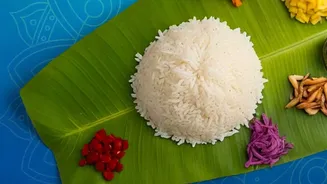
Of the three, poha is the undisputed champion of speed. Made from flattened rice, it requires no grinding or fermentation, just a quick soak and a toss in a hot pan. A plate of Kanda Poha, popular in Maharashtra, can be ready in under 15 minutes. This
makes it the perfect answer for a morning when every second counts. But its appeal isn't just convenience. Poha is a source of healthy carbohydrates that provide a quick but sustained energy release. It is also rich in iron, and adding a squeeze of lemon juice helps the body absorb it more effectively. Being light on the stomach and easy to digest, it provides fuel without the post-meal slump. By tossing in vegetables like peas and carrots, or peanuts for crunch and protein, a simple bowl of poha transforms into a balanced and wholesome meal.
Idli: The Fermented Favourite
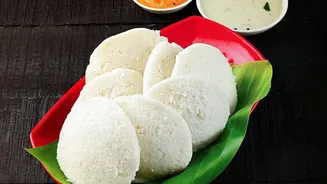
Soft, pillowy, and almost cloud-like, idli is a testament to the magic of planning ahead. While it requires overnight fermentation of a rice and urad dal (black lentil) batter, the morning-of effort is minimal. Just pour the batter into moulds and steam for 10-12 minutes. The beauty of idli lies in its fermentation, which makes it incredibly easy to digest and great for gut health. This process breaks down the nutrients, making them more available to the body and introducing beneficial probiotics. A single idli is very low in calories, containing virtually no fat since it's steamed, not fried. Paired with sambar, a lentil-based vegetable stew, it becomes a complete protein meal, providing a balanced mix of amino acids. This combination offers sustained energy, making it an excellent choice for a productive day.
Dhokla: The Protein-Packed Powerhouse
Hailing from Gujarat, dhokla is another steamed marvel that fits seamlessly into a health-conscious morning routine. Made from a fermented batter of gram flour (besan), it is a fantastic source of protein and fibre. This high protein content helps you feel full for longer, reducing the urge for mid-morning snacks. Like idli, dhokla batter can be prepared in advance. The steaming process is quick, and the end result is a spongy, light, and savoury cake. Nutritionally, dhokla has a low glycemic index, meaning it releases sugar into the bloodstream slowly, preventing energy spikes and crashes. This makes it a particularly good choice for those managing blood sugar levels. Though it may have slightly more calories than poha, its superior protein and fibre content make it a more satiating option.
A Shared Philosophy of Breakfast
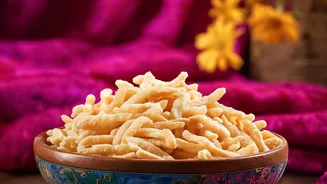
While poha offers speed, idli offers gut-friendly lightness, and dhokla provides protein-powered satiety, all three share a core philosophy. They are built around whole ingredients, are light on oil, and use gentle cooking methods like steaming or light sautéing. This is a stark contrast to many heavy, fried breakfast options. They are also incredibly versatile. Poha can be topped with sprouts or sev, idlis can be dunked in different chutneys, and dhokla can be tempered with various spices. This adaptability ensures they never become monotonous. Their enduring popularity proves that a breakfast doesn't need to be complicated to be effective. It needs to be nourishing, quick to assemble, and comforting—qualities that these traditional dishes deliver perfectly.