






A Nationwide Push for People-First Streets
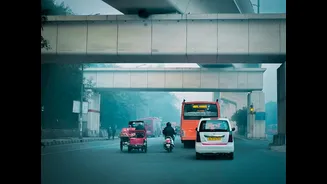
The daily reality for most urban Indians involves navigating broken, encroached-upon, or non-existent footpaths. Pedestrians often find themselves forced onto dangerous, vehicle-choked roads. This car-centric model has led to rising pollution, endless
congestion, and alarming safety concerns, with pedestrians accounting for a disproportionately high number of road fatalities in cities like Delhi and Chennai. In response, a growing movement among citizens and planners is pushing for a change. This has been bolstered by a landmark Supreme Court judgment in June 2026, which declared the right to walk on a safe footpath a fundamental right, compelling cities to rethink their infrastructure priorities.
Delhi's Chandni Chowk Sets the Example
Perhaps the most celebrated example of this transformation is the redevelopment of Chandni Chowk in Old Delhi. Once a chaotic tangle of vehicles, rickshaws, and pedestrians, the historic market's main stretch has been pedestrianised. The result is a wide, walkable boulevard with dedicated lanes for non-motorised transport. This has not only made the area safer and more pleasant for shoppers and tourists but has also been credited with improving air quality and boosting local business. The project serves as a powerful case study, proving that prioritising pedestrians can revitalise even the most congested urban cores.
Chennai's Pioneering Pedestrian Plazas
In the south, Chennai has been a frontrunner in creating people-friendly public spaces. The city's transformation of Thyagaraya Road in the bustling T. Nagar shopping district into a permanent pedestrian plaza is a benchmark project. Complete with wide, continuous footpaths, seating areas, and organised vendor zones, the plaza has demonstrated immense benefits. Studies by the Institute for Transportation and Development Policy (ITDP) found that after the footpath improvements, a significant percentage of people shifted from using private vehicles to walking. This shift is estimated to prevent thousands of tonnes of CO2 emissions annually and has made the streets feel significantly safer for residents.
More Than Just Footpaths
This new approach to urban design is about more than simply laying down pavement. It's a philosophy known as 'placemaking'. The goal is to create streets that are not just corridors for movement, but destinations in themselves. This involves installing benches, adding greenery for shade, ensuring proper lighting, and creating designated zones for street vendors, who are an integral part of India's urban fabric. Initiatives like 'Raahgiri Day', which temporarily close streets to cars and open them for community activities like yoga, cycling, and walking, have spread to dozens of cities, helping citizens reimagine what their streets could be.
The Road Ahead: Challenges and Opportunities
Despite these successes, the path to creating walkable cities is fraught with challenges. Recent reports show that truly continuous, walkable footpaths are still a rarity in most Indian cities. Obstacles include parked vehicles, informal encroachments, and poorly maintained infrastructure. Planners face hurdles with land acquisition, funding, and the complex task of integrating street vendors without displacing them. However, the momentum is undeniable. With a clear constitutional mandate and proven models of success, cities from Kochi to Goa are now launching their own 'Walkable' projects, signalling a fundamental shift in how India builds its urban future.