







Let Go of the 'All-or-Nothing' Mindset
Many fitness journeys are derailed before they even begin by an 'all-or-nothing' mentality. This is the belief that if you can't complete a 'perfect' 60-minute, high-intensity workout, then it's not worth doing anything at all. Research shows this rigid
thinking is a major barrier to sticking with exercise. When life inevitably gets in the way—a late meeting, family obligations, or just plain fatigue—an overly ambitious plan gets scrapped entirely. Instead of adapting, we default to doing nothing, feeling like a 15-minute session doesn't 'count'. The truth is, the most successful routine isn't the one you find on a fitness influencer’s page; it's the one that bends to the realities of your schedule without breaking.
Embrace the Minimum Effective Dose
In fitness, 'more' is not always 'better'. The concept of the 'minimum effective dose' (MED) refers to the smallest amount of stimulus needed to produce a desired result. For strength training, this means you don't need to spend hours in the gym to see real progress. Studies suggest that for beginners or those getting back into fitness, even one to two sets per exercise, performed two to three times a week, can significantly increase strength. The key is not the duration but the effort and consistency. Focusing on the MED helps lower the barrier to entry, making it easier to start and, more importantly, to continue. A weekly total of at least four hard sets per muscle group is a sustainable target for growth and maintenance.
Consistency Is Better Than Intensity
A 20-minute workout done three times a week is vastly superior to a 90-minute session done once a month. The benefits of strength training, from muscle growth to metabolic health, are cumulative. Regular, shorter workouts keep your metabolism elevated more frequently and prevent the long periods of inactivity that can hinder progress. Think of it like building a habit. Each small, consistent session reinforces the routine, making it an automatic part of your life rather than a monumental task you have to psych yourself up for. Short, frequent sessions can be easier to recover from and allow you to maintain higher intensity during the workout itself, leading to better results over time.
How to Design Your Realistic Routine
Building a routine you can stick with is about strategy, not willpower. Start by scheduling your workouts like important appointments. Even 20-30 minutes, two or three times a week, is a powerful start. Prioritize compound movements that work multiple muscle groups at once, as they provide the most bang for your buck. Exercises like squats, push-ups, and rows are incredibly efficient. To save even more time, you can use techniques like supersets (performing two exercises back-to-back with no rest) or circuits. The goal is to create a time-efficient workout that focuses on quality over quantity. Remember to warm up with exercise-specific movements and only stretch if your main goal is flexibility.
A Sample 20-Minute Full-Body Workout
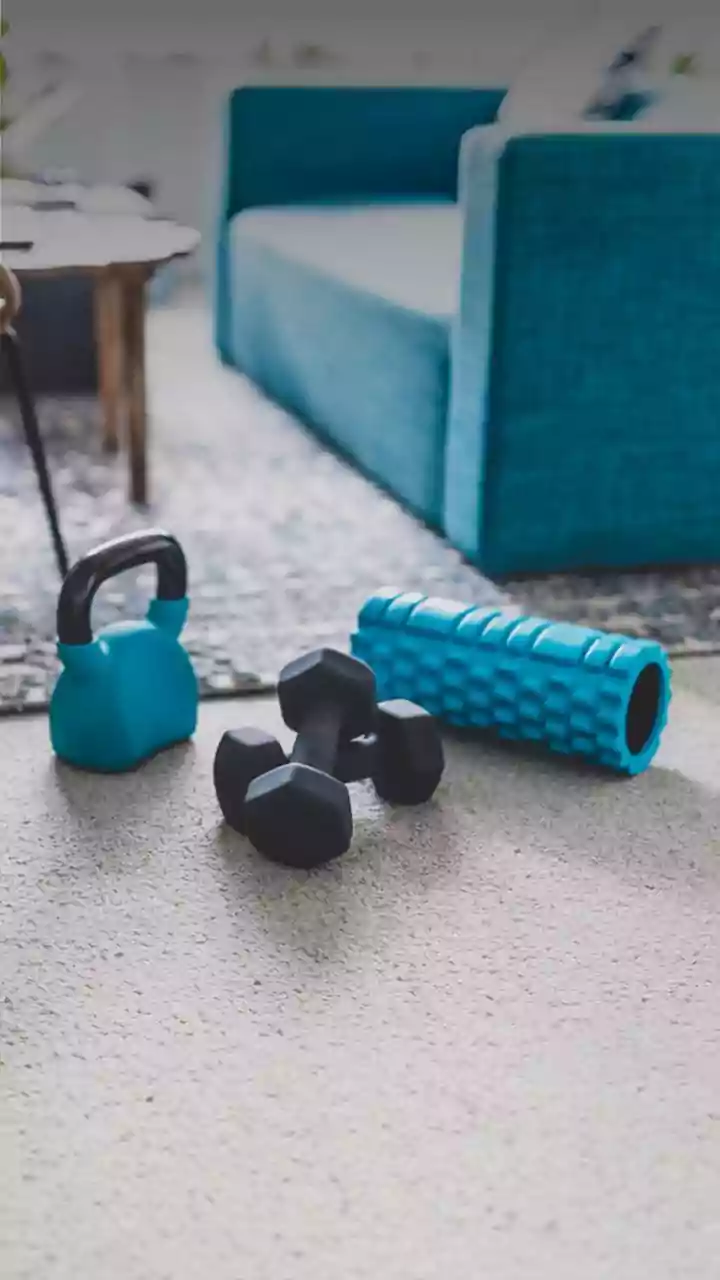
Putting it all together, a time-crunched workout can be simple yet effective. Here is an example of a full-body routine you can do with minimal equipment. Perform each exercise for 3 sets of 10-15 repetitions, resting only briefly between exercises to keep the heart rate up. 1. Goblet Squats: A fantastic lower-body and core exercise. 2. Push-Ups: The classic upper-body press. Modify by doing them on your knees if needed. 3. Dumbbell or Kettlebell Rows: To work the muscles in your back and biceps. 4. Plank: A core-strengthening finisher. Hold for 30-45 seconds. This entire circuit targets all major muscle groups and can be completed in under 20 minutes, proving that you don't need a long session to have an effective one.