

Understanding Late Monsoon Risks
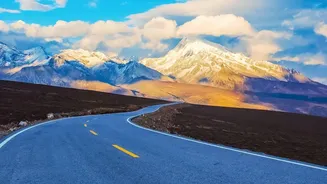
Driving the Manali-Leh highway in late September or early October is a trade-off. You exchange the peak season's traffic for crisp air and golden landscapes. However, the risks change. Water crossings, which are raging in peak monsoon, might be shallower
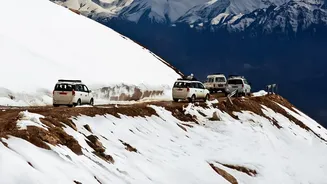
but are now dangerously icy in the mornings. Temperatures drop below freezing at night, creating treacherous black ice on shaded road patches. Services also start to wind down; many seasonal dhabas and tent accommodations in places like Sarchu and Pang close for the winter. The road is officially open, but temporary closures due to early snowfall on high passes like Baralacha La and Tanglang La become a real possibility. This is a journey for the well-prepared, not the spontaneous.
Altitude Sickness: Your Biggest Health Risk
Acute Mountain Sickness (AMS) is the most significant health concern on this route. Leh is at 11,500 feet, and the highway crosses passes well over 17,000 feet. AMS occurs when your body fails to adapt to lower oxygen levels. Symptoms start mild—headache, nausea, fatigue, and difficulty sleeping—but can escalate to life-threatening conditions if ignored. The golden rule is gradual acclimatisation. Flying into Leh and immediately driving is a recipe for sickness. The drive from Manali allows for a slower ascent, but it's still crucial to plan your stops wisely. Never ascend more than 500 metres (about 1,600 feet) for your sleeping altitude in a day. A recommended halt for the first night is Jispa or Keylong (around 10,000-10,500 feet), not Sarchu (over 14,000 feet). Spend at least one full day, preferably two, acclimatising in Leh before heading to higher areas like Pangong Lake.
Combating Altitude Sickness
Hydration is your best friend. Drink at least 4-6 litres of water daily. Avoid alcohol and smoking, as they hinder acclimatisation. Eat high-carbohydrate meals and keep your physical exertion to a minimum for the first 48 hours at a new altitude. Many travellers consider medication like Acetazolamide (Diamox), but this should only be taken after consulting a doctor. Carry a basic medical kit with painkillers for headaches, medication for nausea, and any prescribed altitude sickness pills. If symptoms worsen (severe headache, vomiting, shortness of breath at rest), the only effective cure is to descend to a lower altitude immediately.
Pre-Trip Mechanical Inspection
Your vehicle is your lifeline on this remote highway. A breakdown can leave you stranded for hours, if not days. A thorough mechanical inspection by a trusted mechanic is non-negotiable. Ensure your engine is in perfect health, with fresh engine oil (synthetic is preferable), a clean air filter, and no leaks. The braking system—including brake fluid, pads, and lines—must be flawless. The suspension takes a beating on these roads, so have it checked thoroughly. For diesel vehicles, ensure glow plugs are working correctly for cold starts. Petrol cars should have their spark plugs and ignition coils inspected.
Tyres, Fluids, and Electricals
Tyres are arguably the most critical component. Ensure all tyres, including your spare, have deep treads. All-Terrain (AT) tyres are highly recommended for better grip. Carry a reliable tyre inflator and a puncture repair kit, and know how to use them. Check all fluid levels: coolant, brake fluid, power steering fluid, and windshield washer fluid. Ensure your battery is in excellent condition and the terminals are clean. The cold can weaken an old battery. Finally, test all lights, including fog lamps, which are essential for unpredictable weather.
Essential Spares and Recovery Gear
While you may not be a mechanic, carrying basic spares can help someone else fix your car. A standard toolkit, a set of fuses, extra headlight bulbs, and duct tape can be invaluable. Also, pack engine oil and coolant. Given the icy conditions, a tow strap is a must-have for recovery. The last fuel station from the Manali side is at Tandi, with the next being nearly 350 km away in Karu, near Leh. While modern cars have better mileage, carrying a 20-litre jerrycan of fuel is a wise precaution, especially if you plan detours.