

A Fundamental Shift in Travel Philosophy
For generations, the Indian holiday was a carefully planned, long-awaited annual event. Now, the travel calendar is filled with multiple short getaways, often planned spontaneously over a long weekend. This 'holiday snacking'—taking several two-to-four-day
trips—is replacing the single big vacation. The reason isn't just a lack of time; it's a response to a fast-paced lifestyle where frequent, smaller resets are more effective at preventing burnout than one big escape. The pandemic played a key role, shifting priorities from luxury to meaningful experiences and highlighting the importance of travel for well-being. Travellers no longer want to just see more; they want to feel more, seeking peace and quiet over crowded itineraries.
The Rise of the Flexible Worker
The normalisation of remote and hybrid work has been a major catalyst for this trend. With the flexibility to work from anywhere, professionals are turning weekends into three or four-day 'workcations'. They might finish their work week from a homestay in the mountains or a quiet beach town, blending work and leisure seamlessly. This has given rise to a new class of digital nomads in India, who relocate for short periods to serene destinations like Coorg, Manali, or Gokarna to escape urban monotony without pausing their careers. This trend is supported by growing infrastructure in smaller towns, with many now offering high-speed internet and co-working spaces designed for the location-independent professional.
The Search for Authentic India
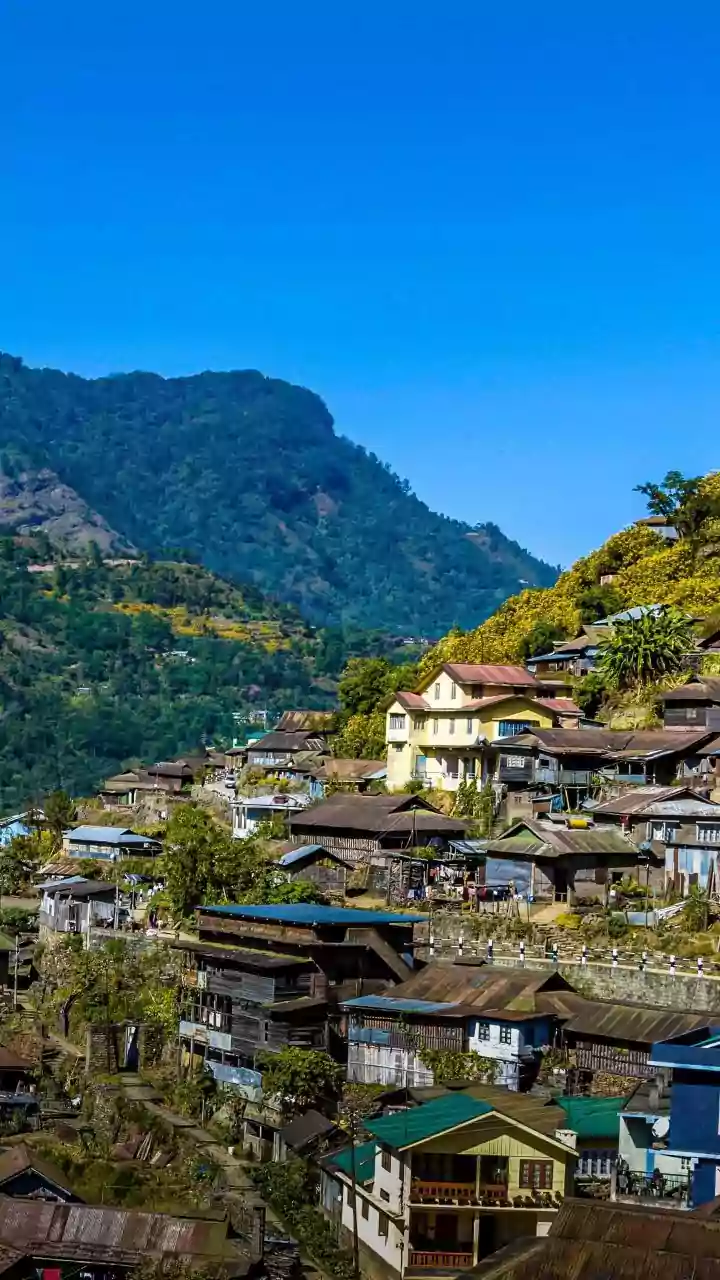
Tired of overcrowded tourist hotspots, Indian travellers are increasingly seeking authentic experiences in offbeat locations. There's a growing desire to connect with local culture, art, and heritage in a meaningful way. This has fueled the popularity of rural tourism, with travellers exploring villages in states like Uttarakhand, Himachal Pradesh, and Rajasthan. Homestays have become a preferred accommodation, offering an immersive experience that traditional hotels cannot match. This shift benefits local communities directly, creating supplementary income for farmers and artisans and boosting rural economies. Destinations like Ziro Valley in Arunachal Pradesh, Majuli in Assam, and countless small villages are now on the map for those wanting to escape the crowds.
Making Economic and Logistical Sense
Micro-trips are simply more accessible. They require fewer leave days, less planning, and are significantly lighter on the wallet. A weekend trip can be managed on a modest budget, making frequent travel a reality for young professionals and middle-class families alike. Improved connectivity has also been a game-changer. Better highways, budget flights, and reliable train services have made once-remote areas reachable within a few hours from major cities. Booking windows have shrunk, with many trips planned just days in advance, reflecting a growing appetite for spontaneous travel. This ease and affordability mean travellers can take four to six short trips a year instead of just one, making exploration a regular part of their lives.