


The Monsoon's August Assault
While overall monsoon forecasts for 2026 suggested a below-normal season, recent weather patterns show a different story for August. The India Meteorological Department (IMD) has forecast and issued alerts for heavy to very heavy rainfall across several
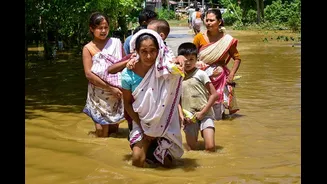
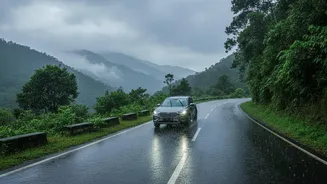
parts of the country, including North, East, Central, and South India. Regions like Uttarakhand, Uttar Pradesh, Bihar, Maharashtra, Goa, Kerala, and Karnataka are expected to see intense spells. This active phase leads to predictable problems: severe waterlogging in urban centres like Mumbai and Delhi, and an increased risk of landslides in hilly regions like Himachal Pradesh and the Western Ghats, blocking roads for hours or even days.
Why Your Go-To Route Is Vulnerable
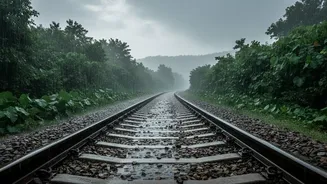
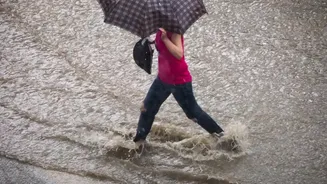
During intense monsoon spells, familiar roads become obstacle courses. In cities, overburdened and often-clogged drainage systems are quickly overwhelmed, leading to submerged underpasses and waterlogged arterial roads that bring traffic to a standstill. Potholes, often hidden beneath the murky water, pose a significant danger to vehicles. On highways, especially in ghat sections, the soil becomes saturated, leading to mudslides and landslides that can sever connectivity entirely. The Konkan Railway, for instance, reduces train speeds as a safety precaution during monsoon, acknowledging the terrain's sensitivity. These issues aren't just inconveniences; they are serious safety hazards that make relying on a single route a risky gamble.
Embrace the Backup Plan
The key to navigating this season is proactive planning. Don't wait until you're stuck in a jam. Before you even start your journey, think about potential alternatives. If you're driving, identify at least one or two secondary routes. This could mean a longer, less-direct road that is on higher ground and less prone to flooding. For intercity travel, consider a different mode of transport altogether. Trains, particularly services like the Vande Bharat Express, can be a more reliable option than buses or cars when major highways are at risk. Similarly, in cities with metro networks, switching from road to rail can save you hours of frustration.
Your Digital Toolkit for Monsoon Travel
Technology is your most powerful ally in outsmarting monsoon disruptions. Before heading out, consult real-time traffic apps like Google Maps or Waze, which use crowd-sourced data to show congestion, road closures, and accidents. For weather, use official sources like the IMD's website or dedicated weather apps that provide rain radar and severe weather alerts for your specific location. Indian apps like Mappls also provide detailed information, including alerts for accident-prone zones, speed limits, and road conditions, which can be invaluable during challenging weather. Checking these tools just before you leave can help you make an informed decision to either delay your journey or switch to a clear backup route.
Prioritise Safety Above All Else
No journey is worth risking your safety. If authorities have issued red or orange alerts, the best decision is often to postpone travel. When you must travel, ensure your vehicle is monsoon-ready: check your tyres, brakes, and wipers. Never attempt to drive through heavily waterlogged areas, as the depth can be deceptive and your vehicle could stall or be swept away. In hilly areas, be vigilant for signs of fresh mud or rock falls. Always pack a small emergency kit in your car with essentials like a first-aid kit, extra water, snacks, and a power bank for your phone. Having a flexible itinerary with buffer days is crucial, especially for longer trips, as delays are common.