


Understanding Plant-Based Iron
Iron is a vital mineral that helps transport oxygen throughout your body, but not all iron is created equal. There are two types: heme iron, found in animal products, and non-heme iron, found in plant-based foods. Heme iron is easily absorbed by the body.
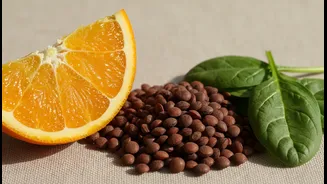
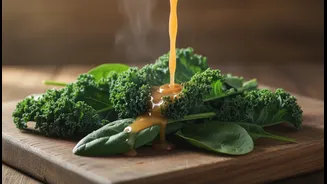
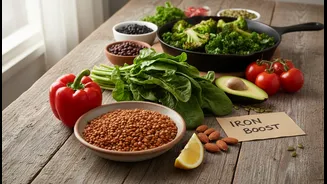
Non-heme iron, the kind found in staples like lentils (dal), chickpeas (chana), spinach (palak), and whole grains, is a bit trickier for our bodies to absorb. This means that even if a vegetarian diet is rich in iron-heavy foods, you might not be getting the full benefit. The key is to understand how to enhance its absorption.
Your Best Friend: Vitamin C
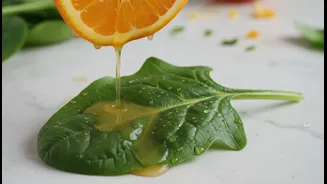
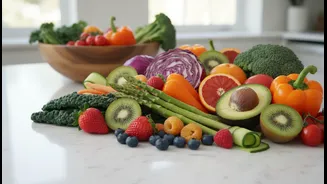
The single most effective way to boost your body's uptake of non-heme iron is by pairing it with Vitamin C. Vitamin C, or ascorbic acid, helps convert plant-based iron into a form that is much more soluble and easier for your body to absorb. This simple trick can dramatically increase how much iron you get from your meal. Excellent sources of Vitamin C are abundant in Indian kitchens. Think citrus fruits like oranges, lemons, and amla, as well as tomatoes, bell peppers (capsicum), and broccoli. Squeezing a bit of lemon juice over your dal and sabzi is a classic and effective strategy.
Smart Meal Pairings for Maximum Impact
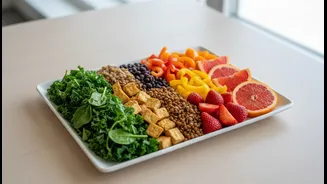
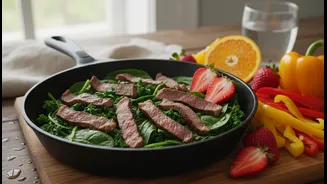
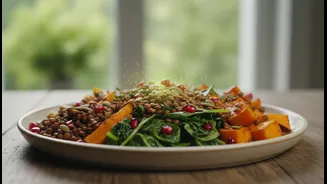
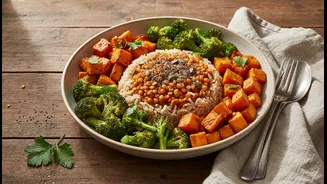
Putting this science into practice is easy. The goal is to combine your iron source and your Vitamin C source in the same meal. For example, a bowl of spinach or dal is packed with iron; adding chopped tomatoes or a side of citrus fruit enhances its power. Consider a chickpea salad with a lemon-based dressing or bell peppers stir-fried with tofu. For breakfast, a bowl of iron-fortified oatmeal or millet porridge can be topped with strawberries or kiwi. Popular Indian iron sources like lentils, beans, tofu, cashews, and leafy greens like moringa leaves all benefit from this pairing.
Beware of Iron Blockers
Just as some foods enhance iron absorption, others can hinder it. The main culprits are tannins, phytates, and calcium. Tannins, found in tea and coffee, can significantly reduce iron absorption, sometimes by over 60%. It's best to avoid drinking chai or coffee with your main meals. Try to leave a gap of at least an hour before or after your iron-rich meal. Phytates, present in whole grains, legumes, and nuts, also bind to iron and block its absorption. While these foods are healthy, soaking beans and grains before cooking can help reduce their phytate content. Calcium, found in dairy products like milk, paneer, and yogurt, competes with iron for absorption. This doesn't mean you should avoid them, but it’s wise to not consume calcium-rich foods at the same time as your most iron-dense meal if you are concerned about your iron levels.
Simple Swaps and Additions
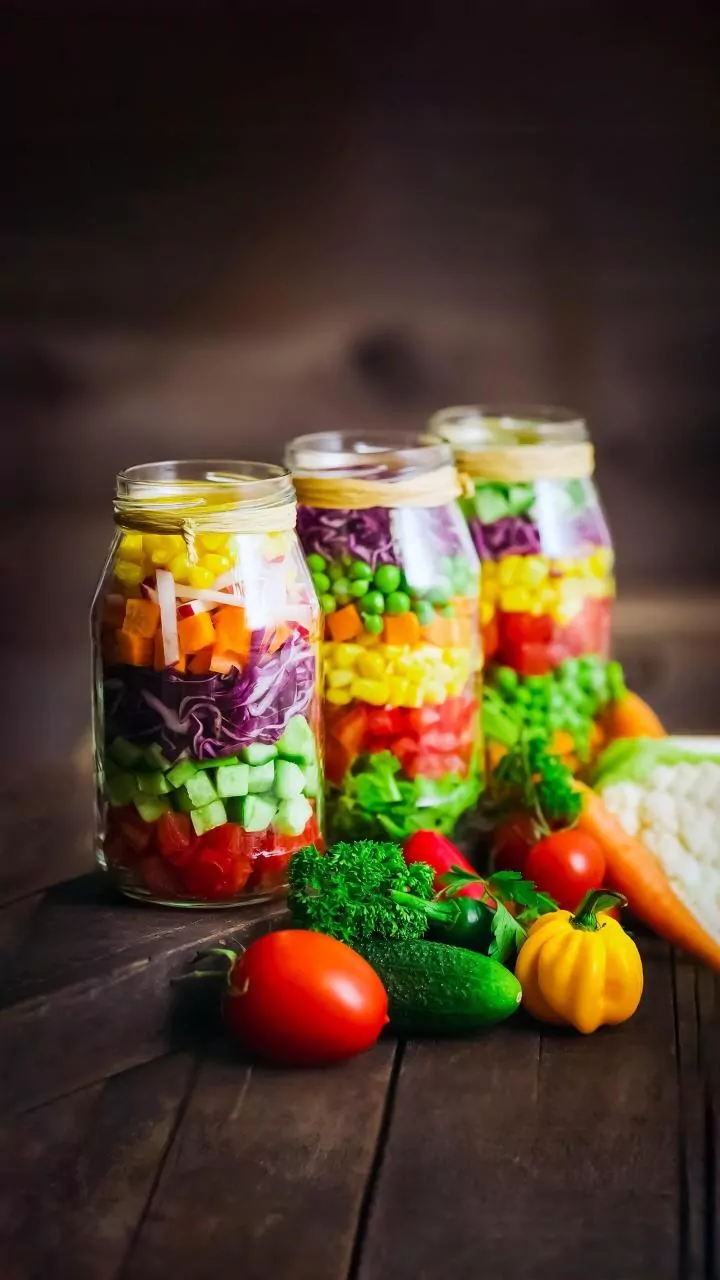
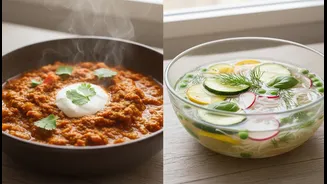
Making your meals more iron-effective doesn't require a complete diet overhaul. Start with small, manageable changes. Squeeze lemon over your lentil soup or bean curry. Add a side of tomato and cucumber salad to your roti and sabzi. Instead of having chai right after your meal, wait an hour. Cooking in cast-iron cookware can also add a small but meaningful amount of iron to your food, especially with acidic ingredients like tomatoes. By being mindful of these simple combinations and timings, you can ensure your vegetarian diet provides all the iron you need to stay healthy and energised.