


A Familiar Blueprint
For generations, Indian homes have mastered the art of spatial efficiency. The typical urban apartment or family home has long featured rooms that refuse to be defined by a single function. The living room is rarely just for receiving guests; it’s where
children do their homework, where the family gathers for meals on the floor, and where a mattress is rolled out for an overnight visitor. This philosophy wasn’t born from a design magazine but from a practical understanding of family life, community, and making the most of every square foot. This innate ability to see a space for its potential rather than its label is a cornerstone of Indian living, creating homes that are fluid, adaptable, and centred on people, not just possessions.
When Tradition Becomes a Global Trend
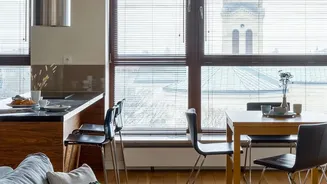
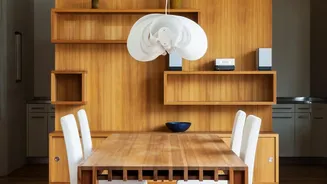
What was once a domestic reality in India is now a celebrated global design movement. Faced with shrinking apartment sizes in major cities worldwide and a growing desire for simpler, less cluttered lives, designers are promoting multifunctional living as the pinnacle of smart design. Terms like 'Japandi'—a hybrid of Japanese minimalism and Scandinavian function—have become incredibly popular, championing clean lines, natural materials, and, most importantly, purposeful spaces. This philosophy, which finds beauty in simplicity and functionality, resonates deeply with traditional Indian values of craftsmanship and avoiding waste. In essence, the world is now adopting the very principles that Indian homes have practiced for decades out of necessity and practicality.
Furniture That Works Overtime
The key to elevating a multi-purpose room from merely functional to truly beautiful lies in modern, space-saving furniture. The humble sofa-cum-bed, once a heavy and awkward piece, has evolved into a stylish and comfortable staple, perfect for living rooms that double as guest rooms. Another game-changer is the foldable or wall-mounted dining table, which frees up valuable floor space when not in use. For bedrooms, hydraulic storage beds offer immense hidden space for extra bedding and seasonal items, eliminating the need for bulky, separate cupboards. Nested tables that can be pulled out when needed and stacked away later, and ottomans with built-in storage are other smart additions that serve multiple roles without adding clutter.
The Magic of Light, Colour, and Layout
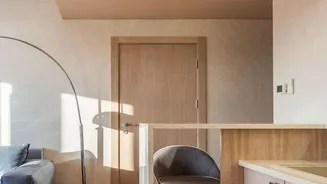
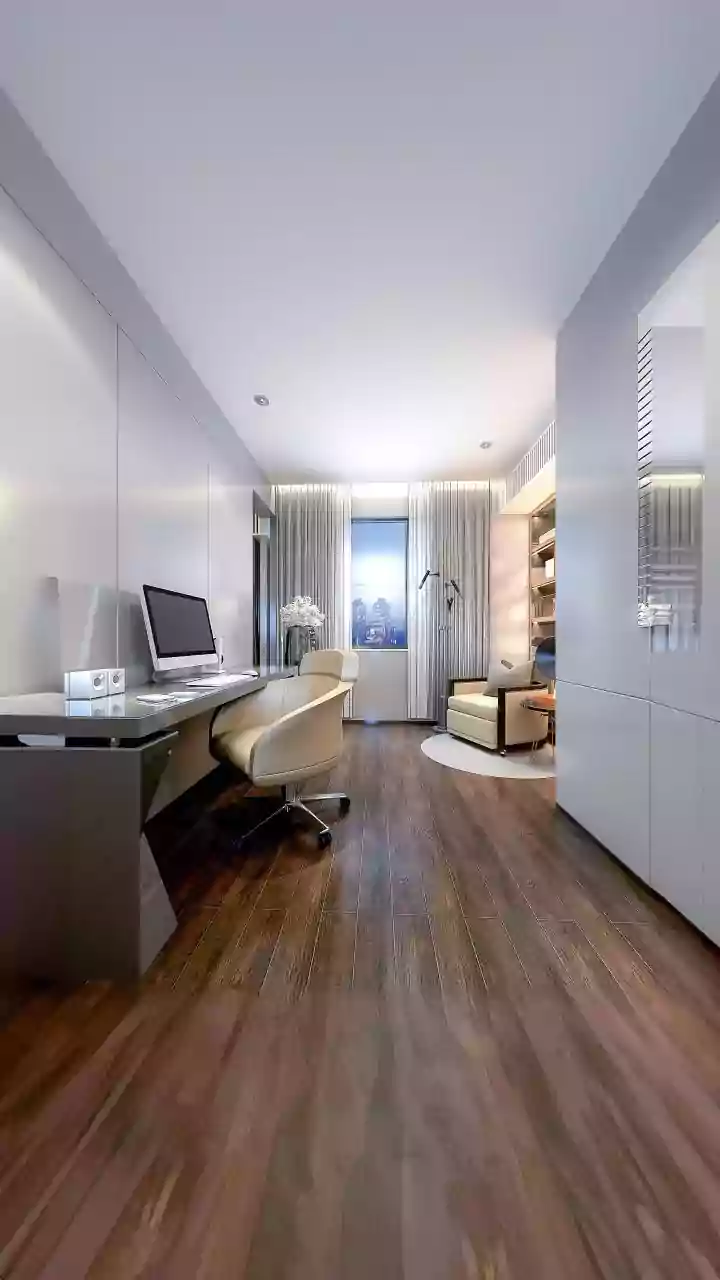
Making a small space work hard isn't just about the furniture; it's also about creating the illusion of spaciousness. Using light, neutral colour palettes on walls—like beige, off-white, or light grey—makes a room feel larger and more open. Strategically placing mirrors to reflect light and create depth is another classic and effective trick. It's also crucial to think vertically. Instead of bulky floor cabinets, opt for sleek, wall-mounted shelves and TV units to keep the floor clear. This draws the eye upward and makes the room feel less crowded. Good lighting can also help define different 'zones' within a single room, creating distinct areas for work, relaxation, and dining, even without physical partitions.
Bringing It All Back Home
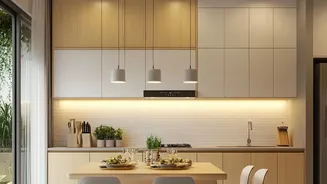
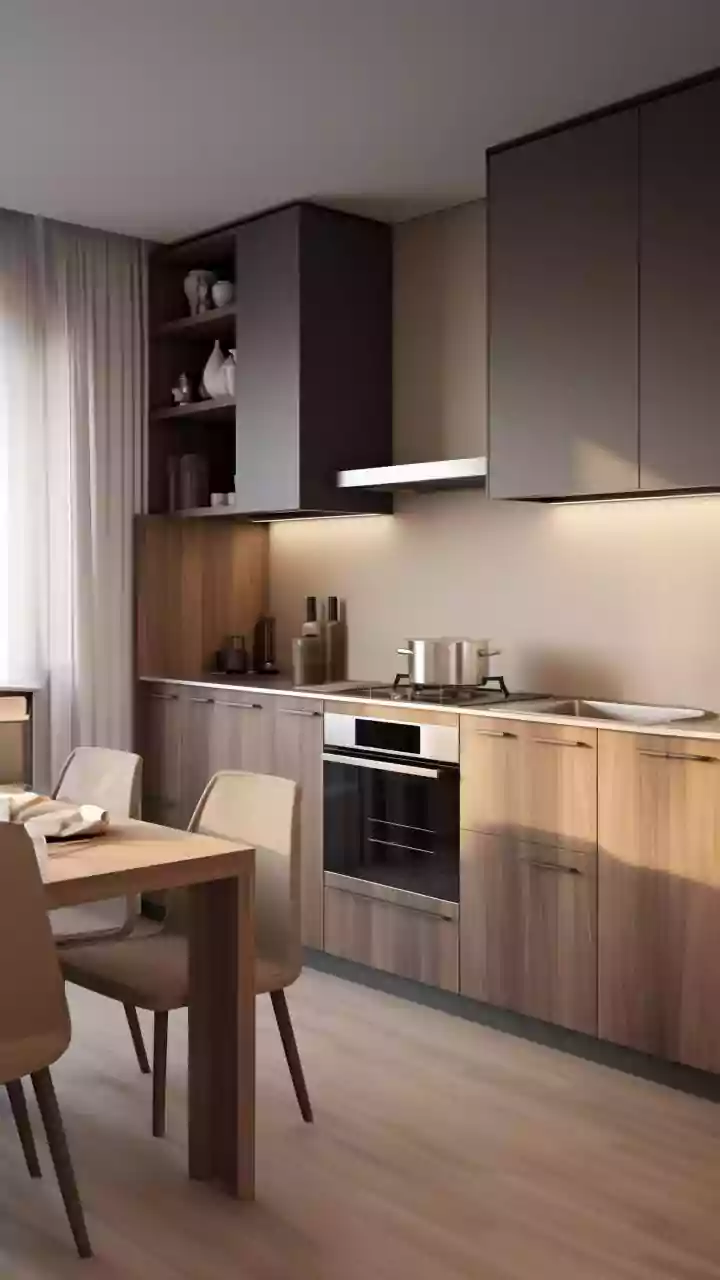
The rise of small-home design advice isn’t a concept Indians need to import wholesale; it's an opportunity to refine a skill we already possess. Blending our traditional knack for adaptability with modern design solutions can create homes that are both deeply personal and highly functional. This means choosing a sleek, modular kitchen that honours the warmth of the family's cooking traditions, or a minimalist layout that still makes space for cherished family photographs and spiritual corners. It is about using contemporary tools—like smart furniture and clever lighting—to enhance a philosophy of living that has always been part of our cultural DNA: creating a home that works beautifully for the family that lives within it.