




Understanding Sovereign Debt
Think of sovereign debt as a country's total borrowing. It's the money a national government owes to lenders, which can include other countries, international financial institutions like the World Bank, and private investors who buy government bonds.
Just like individuals, governments borrow to cover expenses, especially large-scale investments in infrastructure, education, and healthcare. While borrowing is a normal part of running a country, problems arise when the debt grows too large relative to the nation's economic output (its GDP). When this happens, a significant portion of the government's revenue must be diverted to simply paying back the interest and principal on these loans, a process known as debt servicing.
The Fiscal Squeeze
High sovereign debt creates a 'fiscal squeeze,' severely limiting a government's financial flexibility. When debt levels are high, credit rating agencies often downgrade a country's rating, making it more expensive to borrow in the future. Lenders demand higher interest rates to compensate for the increased risk of default. This means that an ever-larger slice of the national budget is consumed by debt service payments. According to the International Monetary Fund (IMF), dozens of low- and middle-income countries are already in or at high risk of debt distress. This leaves less money available for everything else, from public services to critical long-term investments. Governments find themselves in a tight spot, forced to choose between paying creditors and funding essential domestic programmes.
Crowding Out Climate Ambitions
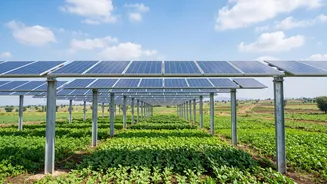
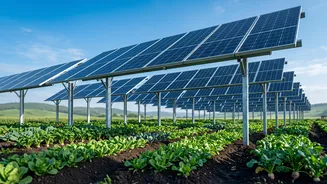
This is where climate action gets hit hard. The transition to renewable energy and the construction of climate-resilient infrastructure—like sea walls, drought-resistant agriculture, and updated water systems—require massive upfront public investment. These are exactly the kinds of long-term projects that get 'crowded out' when a government's budget is dominated by short-term debt obligations. For many developing nations, the money that could go toward building a solar farm or a flood defence system is instead being sent to foreign creditors. This creates a dangerous paradox: the countries most vulnerable to climate change are often the ones with the least financial capacity to prepare for it because of their debt burdens.
A Vicious Cycle of Debt and Disasters
For climate-vulnerable nations, high debt and climate change create a devastating feedback loop. A climate-related disaster, like a major hurricane or a prolonged drought, can cripple a nation's economy, reducing tax revenues and forcing the government to borrow even more for recovery efforts. This new debt further restricts its ability to invest in climate resilience, leaving it even more exposed to the next disaster. This is often called the 'climate debt trap'. Countries become stuck in a cycle where worsening climate impacts increase their debt, and that mounting debt prevents them from breaking free by investing in a green, resilient future. It's a systemic problem that traps nations in a state of perpetual crisis and vulnerability.
Pathways to Break the Cycle
Fortunately, the international community is beginning to explore solutions to break this cycle. One innovative idea gaining traction is 'debt-for-climate' swaps. In this arrangement, a creditor agrees to forgive a portion of a country's debt. In return, the debtor nation commits to investing the freed-up funds into domestic climate projects, like conservation or renewable energy development. Other solutions involve increasing the availability of grants and low-cost loans specifically for green projects, reforming the international financial architecture to be more forgiving, and creating new mechanisms that help developing countries access capital without taking on unsustainable levels of debt. These tools aim to create the fiscal space necessary for governments to pursue both development and climate action simultaneously.