




Ayodhya's Deepotsav is a breathtaking spectacle, celebrating Lord Ram's return home. In 2026, the city is preparing for its grandest event yet, blending ancient tradition with modern marvels. Here is your guide to navigating this festival of lights.
A Festival of Unprecedented Scale
Deepotsav
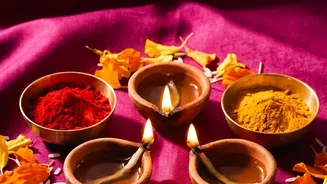
commemorates Lord Ram's return to Ayodhya after 14 years of exile, a story that resonates deeply in Indian culture. What began in 2017 as a state-organised event has grown into one of the world's most significant cultural gatherings. For its tenth edition in 2026, officials are aiming to create a new world record by lighting over 30 lakh (three million) earthen lamps, or diyas, along the ghats of the Saryu river. The main festivities are scheduled from November 5 to November 7, culminating in the grand lamp-lighting ceremony on the evening of November 7, which is Choti Diwali. Diwali itself will be celebrated on November 8. The entire event is a massive undertaking, involving thousands of student volunteers to arrange and light the lamps.
The Main Attraction: Ram Ki Paidi at Dusk
The heart of the celebration is Ram Ki Paidi, a long stretch of ghats on the river Saryu. This is where the record-breaking display of diyas will create a mesmerising river of light. The best views are found here, but be prepared for enormous crowds. The evening's events include the grand Saryu Maha Aarti, a powerful ceremony of worship featuring thousands of participants. This is followed by a stunning blend of modern technology and ancient storytelling. For 2026, a fleet of 2,100 drones will create formations in the night sky depicting scenes from the Ramayana, complemented by laser shows and 3D projection mapping on the historic buildings. To secure a good viewing spot, it is highly recommended to arrive by mid-afternoon, as authorities often restrict access to the main ghats as they fill up.
Cultural Extravaganza Across the City
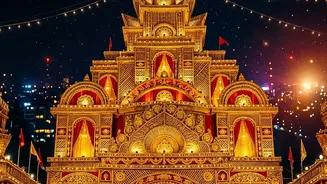
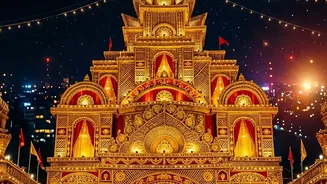
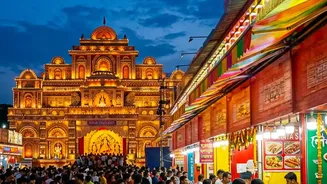
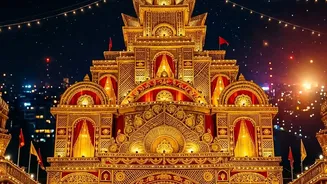
Deepotsav is more than just lights; it's a city-wide cultural festival. A grand procession of 22 tableaux, known as a Shobha Yatra, will wind through the city, depicting episodes from the Ramayana. Ramlila, the traditional enactment of Ram's story, will be performed by artists from across India and the world, with international troupes from countries like South Africa, Sri Lanka, Nepal, and Thailand presenting their unique interpretations. Around 2,500 artists will perform on 12 different stages set up across Ayodhya, showcasing folk traditions from various states. The city itself will be decorated with thematic gateways, selfie points, and artistic installations, including depictions of Ram Darbar and the Pushpak Viman.
Navigating Ayodhya: A Visitor's Guide
Reaching Ayodhya is more convenient now with the Maharishi Valmiki International Airport offering flights from major cities. The city is also wellconnected by rail. However, during Deepotsav, all transport will be heavily congested. Booking accommodation well in advance is crucial, as hotels and dharamshalas are often sold out months prior. Options range from luxury properties to budgetfriendly homestays. For getting around the city, be prepared for traffic restrictions and diversions, especially near the main festival areas. Using local cabs or auto rickshaws is practical for visiting key sites like the Ram Janmabhoomi Mandir, Hanuman Garhi, and Kanak Bhawan. The state tourism department has also launched a 'Divine Heritage Trail' bus tour, which can be a convenient way to see major sites.
Essential Tips for a Smooth Visit
To make the most of your trip, planning is key. Arrive at event venues early, especially for the main diya lighting at Ram Ki Paidi. Given the devotional nature of the city, especially during this festival, dressing modestly is recommended. Food throughout the main temple zone is strictly vegetarian, and alcohol is prohibited. With massive crowds expected, keep a close watch on your belongings and stay aware of your surroundings. It is also wise to agree on a meeting point in case you get separated from your group. While the festival offers a stunning experience, it can be overwhelming. Plan your itinerary around one or two key events per day to avoid exhaustion. Finally, follow all instructions from security personnel to ensure a safe and memorable visit.