



A New Way to Travel Wild
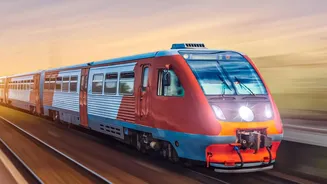
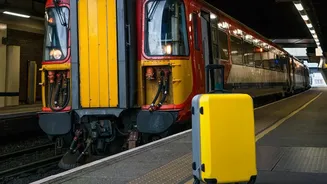
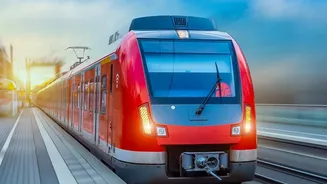
Forget complex logistics and expensive private cabs. Indian Railways, through its Indian Railway Catering and Tourism Corporation (IRCTC), is increasingly positioning the train as the backbone of wildlife tourism. The key lies in themed tourist trains,
particularly under the 'Bharat Gaurav' scheme, which offers all-inclusive packages bundling travel, accommodation, meals, and even safari permits. These aren't just for luxury travelers; many circuits now offer budget-friendly Sleeper and 3AC class options, making them perfect for backpackers. For those seeking more independence, traditional Circular Journey Tickets offer a do-it-yourself alternative, allowing you to plan a multi-city route while benefiting from lower 'telescopic' fares that are cheaper than buying individual tickets for each leg of the journey.
Your Gateway to Tiger Country
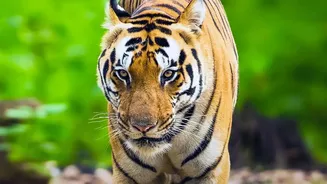
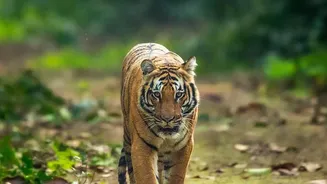
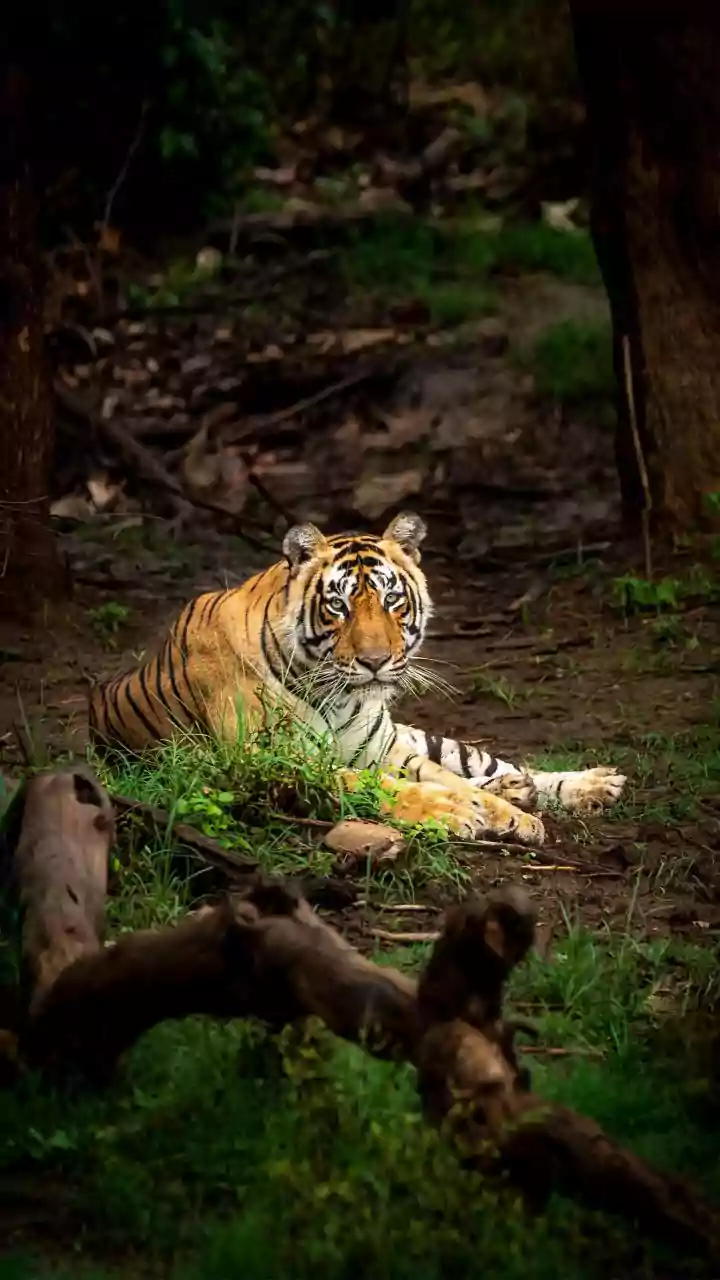
Central India is home to some of the country’s most iconic tiger reserves, and the railway network provides an excellent entry point. Major railway hubs like Jabalpur and Nagpur serve as gateways to legendary parks such as Kanha, Bandhavgarh, and Pench. From these stations, the final leg of the journey to the park gates is a short road trip away. A recent partnership between IRCTC and the Maharashtra Forest Department highlights this growing synergy. They are developing integrated tour packages for reserves including Tadoba-Andhari and Pench, which will streamline the entire process from booking a train ticket to securing a coveted safari slot. This move promises to make wildlife travel far more organised and hassle-free, especially for those unfamiliar with the complexities of booking safaris and local transport.
Good for Your Wallet and the Planet
The twin pillars of this travel model are affordability and sustainability. The 'budget' claim holds up when you examine the costs. Some Bharat Gaurav pilgrimage tours, which follow a similar all-inclusive model, have been offered for as low as around ₹20,000 for an 11-day trip in Sleeper Class. These packages eliminate the hidden costs of booking hotels, finding meals, and haggling for transport, offering clear value for money. Environmentally, the benefits are even clearer. Train travel generates significantly lower carbon emissions per passenger than flying or driving. Indian Railways has also been making strides in sustainability by installing bio-toilets across its fleet, electrifying vast portions of its network, and promoting alternatives to single-use plastics. By choosing the train, travelers actively reduce their environmental footprint while supporting a more sustainable mode of transport.
The Backpacker Experience, Redefined
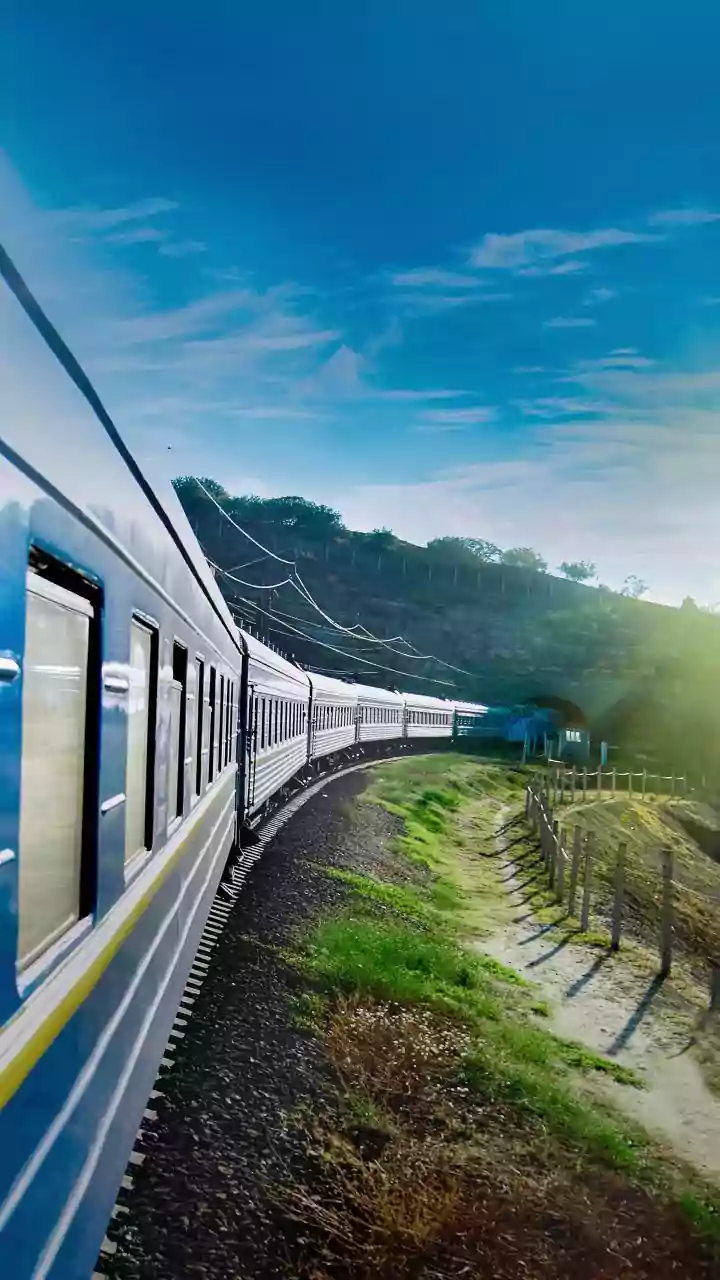
A train journey in India is an experience in itself, offering a moving window into the country’s diverse landscapes and cultures. For a backpacker, it’s a chance to meet fellow travelers and locals, sharing stories over a cup of chai as the countryside rolls by. While organized packages might seem counterintuitive to the free-spirited backpacker, they solve major logistical headaches. Obtaining safari permits, especially during peak season, can be a daunting task. These rail packages often come with pre-booked safari access, saving time and stress. Upon arrival at the destination station, the journey can continue sustainably. Many smaller towns now have electric rickshaws and other eco-friendly options for local transport, allowing you to keep your travel green from start to finish. The train simply becomes the affordable, low-impact artery connecting you to these incredible natural spaces.
Balancing Progress with Preservation
The push for greater connectivity is not without its challenges. The expansion of railway lines through sensitive ecosystems, such as the proposed third track through the Satpura-Melghat tiger corridor, raises valid environmental concerns. Wildlife corridors are vital for the genetic diversity and long-term survival of species like tigers. In response, authorities are mandating mitigation measures, such as scientifically designed wildlife overpasses and underpasses, to allow animals safe passage. Furthermore, Indian Railways is adopting technology to reduce human-animal conflict. AI-powered intrusion detection systems are being deployed on some routes to alert train drivers to the presence of wildlife on the tracks, a crucial step in preventing tragic accidents. These measures reflect a growing awareness that infrastructure development must go hand-in-hand with conservation.