


Build a Strong Foundation
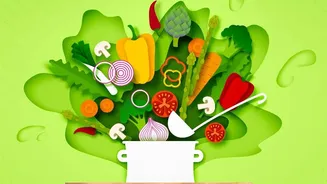
The first step to a flavourful dish happens right at the start. Don't just toss everything into the pot at once. Begin by gently sautéing your aromatics—like diced onions, garlic, and ginger—in a bit of oil. This simple process, often called 'sweating',
coaxes out their sweetness and creates a flavourful base that will infuse the entire meal. For even more depth, consider starting with a flavour paste made by blending aromatics with spices and a little oil, a technique used in many global cuisines to ensure flavour is built in from the very first layer.
Unlock the Power of Spices
Simply stirring in dried spices isn't enough to get the most from them. 'Blooming' them in hot oil for a minute or so before adding any liquids is a game-changer. This technique toasts the spices, releasing their fat-soluble compounds and making them dramatically more fragrant and potent. Whether you're using curry powder, cumin, or paprika, this quick step deepens their flavour, ensuring it doesn't get lost in the final dish. You'll notice a more aromatic and robust taste in your finished meal with no extra bowls or utensils required.
Embrace Umami-Rich Ingredients
Umami is the savoury, 'meaty' taste that often feels missing in vegetarian dishes. The solution is to layer in ingredients that are naturally rich in it. Things like tomato paste (fried in oil for a minute to deepen its flavour), soy sauce, miso paste, and dried mushrooms are easy-to-use powerhouses. Dried shiitake mushrooms, in particular, are incredibly effective; you can even use their soaking water as part of your broth. A sprinkle of nutritional yeast can also add a cheesy, nutty, savoury note. These ingredients work in the background to give your meal a satisfying depth.
Don't Waste the Browned Bits
Those little browned bits that stick to the bottom of the pot after sautéing your vegetables are concentrated flavour, known in culinary terms as 'fond'. Don't scrub them away. Instead, use a technique called deglazing. After your aromatics are cooked, pour in a splash of liquid—like vegetable broth, a bit of wine, or even just water—and use a wooden spoon to gently scrape the bottom of the pot. This releases all that caramelized flavour back into the dish, instantly making your broth or sauce richer and more complex with zero extra effort.
Choose a Better Liquid
Water works, but a flavourful liquid does so much more. Using a quality vegetable broth instead of plain water is one of the easiest upgrades you can make. For creamier dishes, full-fat coconut milk adds richness and a wonderful texture, especially in curries. You can also enhance your liquid by adding the soaking water from dried mushrooms or a splash of soy sauce. Layering your ingredients by cook time is also crucial; start with root vegetables that need longer to cook and add lighter vegetables later on to avoid a mushy texture.
Finish with Freshness and Acidity
A long-simmered meal can sometimes taste a bit flat or one-note. The secret to making it pop is to add a burst of freshness and acidity right before serving. A generous squeeze of lemon or lime juice can brighten the entire dish, cutting through richness and waking up all the other flavours. Freshly chopped herbs like parsley, cilantro, or basil stirred in at the very end add a vibrant, fragrant lift that cooking would otherwise destroy. Even a dollop of yogurt or a drizzle of good olive oil can add the final contrasting touch that makes the meal feel complete.