







Why Monsoon Changes Your Skin
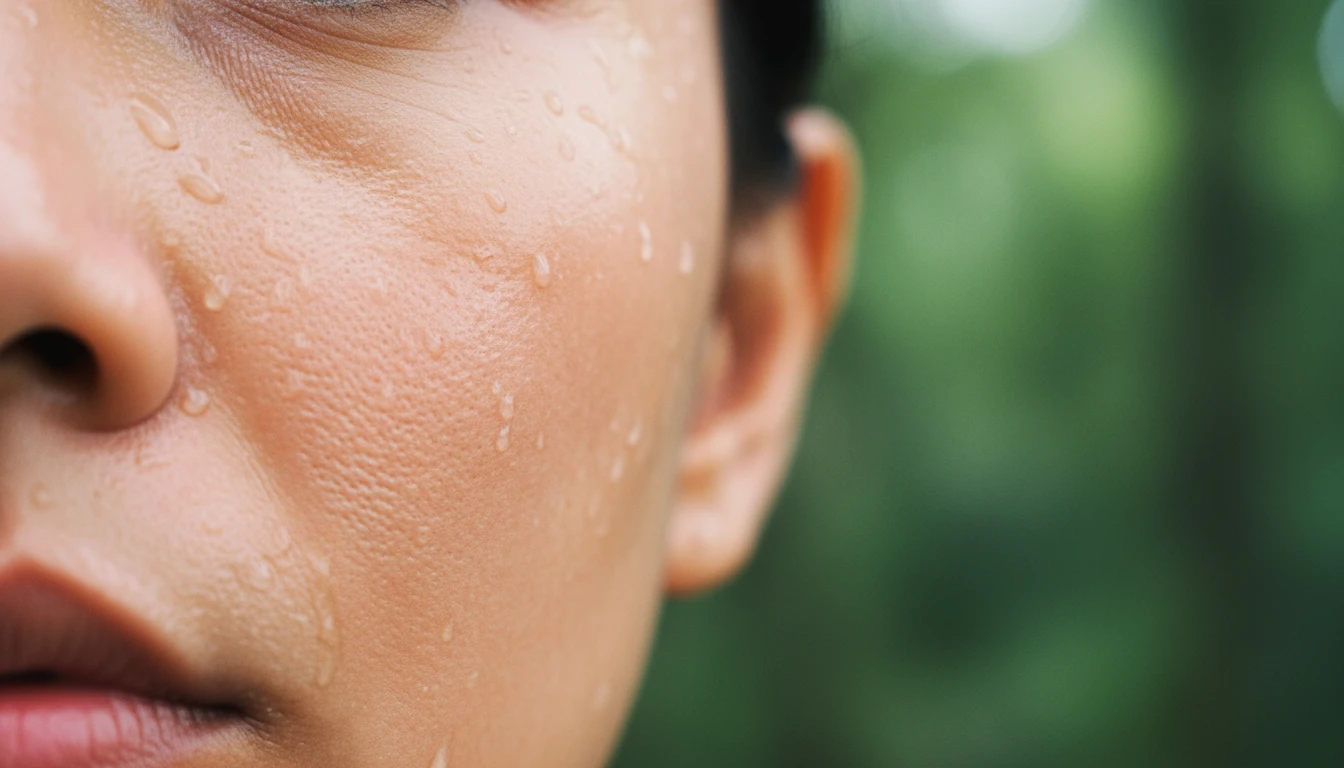
The shift from summer heat to monsoon humidity is dramatic. The moisture-laden air might sound hydrating, but it creates a challenging environment for your skin. High humidity stimulates your oil glands to produce more sebum, leading to a greasy feeling
and clogged pores. This damp, warm environment is also the perfect breeding ground for bacteria and fungi, which is why issues like acne, blackheads, and fungal infections like ringworm become much more common. The constant dampness, combined with sweat and pollution, can easily overwhelm your skin’s natural balance, making breakouts and irritation a frequent concern.
Cleanse Thoroughly, But Gently
While it's tempting to wash your face frequently to combat the oiliness, over-washing can strip your skin of its natural oils, ironically triggering even more oil production. The key is to cleanse twice daily with a gentle, effective cleanser. Swap out heavy, creamy cleansers for lighter, gel-based or mild foaming formulas. Look for ingredients like salicylic acid, neem, or tea tree oil, which can help control oil and prevent breakouts without being overly harsh. Double cleansing in the evening—starting with an oil or micellar water to break down sunscreen and grime, followed by your regular face wash—is a great strategy to ensure your skin is truly clean before bed.
Switch to a Lightweight Moisturiser
Skipping moisturiser in humid weather is a common mistake that can backfire. Even when your skin feels oily, it still needs hydration. The trick is to switch your product. Put away the heavy, oil-based creams you might use in winter and embrace lightweight, non-comedogenic (non-pore-clogging) formulas. Gel-based or water-based moisturisers are your best friends during the monsoon. Look for ingredients like hyaluronic acid, which draws moisture from the humid air into your skin, providing hydration without a greasy feel. Niacinamide is another hero ingredient that helps control oil and improve skin texture.
Exfoliate, But Don't Overdo It
With increased oil and dead skin cells, exfoliation becomes crucial to prevent clogged pores. However, the monsoon is not the time for harsh, aggressive scrubbing. Over-exfoliating can damage your skin's protective barrier, leading to sensitivity and irritation. Stick to gentle exfoliation once or twice a week. Chemical exfoliants containing Alpha-Hydroxy Acids (AHAs) or Beta-Hydroxy Acids (BHAs) are often a better choice than physical scrubs, as they dissolve dead skin cells effectively without causing micro-tears.
Never Skip Sunscreen
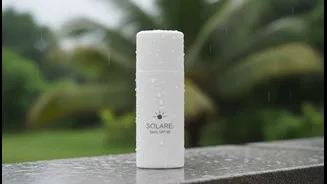
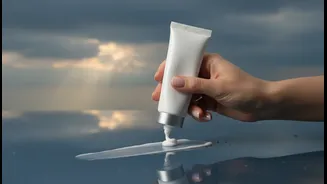
This is a non-negotiable rule, rain or shine. Don't be fooled by cloudy skies; up to 80% of the sun’s harmful UV rays can penetrate through clouds and cause damage. Sun exposure can worsen dark spots and hyperpigmentation, which many people are prone to after breakouts. For monsoon, the challenge is finding a sunscreen that doesn't feel heavy or sticky. Opt for a lightweight, gel-based, or matte-finish sunscreen with at least SPF 30. These formulas provide essential protection without adding to the greasy feeling of a humid day.
Tackle Monsoon-Specific Problems
Fungal infections thrive in damp conditions, so keeping skin folds dry is essential. Using an antifungal powder can be a great preventative measure. Wearing loose, breathable cotton clothing also helps. For acne, incorporate targeted treatments with salicylic acid or use a clay mask once a week to deep-clean pores and absorb excess oil. It's also wise to go easy on heavy makeup, which can trap sweat and oil, and opt for non-comedogenic products instead. Finally, remember to stay hydrated by drinking plenty of water, as this helps support your skin's health from the inside out.