






The Unstoppable Rise of Quick Commerce
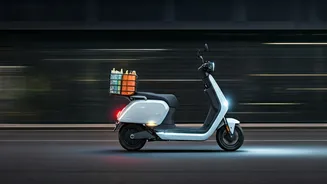
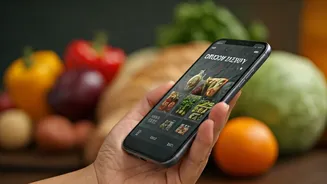
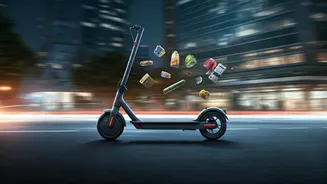
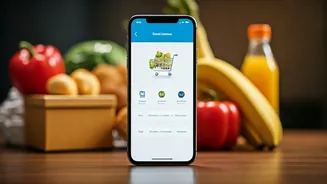
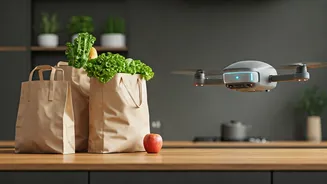
The biggest driver of this app-dependency is the explosion of 'quick commerce'. Platforms like Blinkit, Zepto, Swiggy Instamart, and BigBasket Now have transformed urban Indian life by promising deliveries in 10-30 minutes. [16] This isn't just about
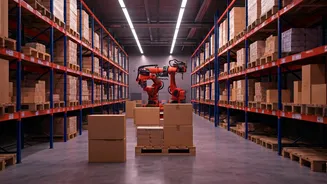
convenience; it's a fundamental rewiring of consumer expectations. India has become a global leader in quick commerce adoption, with the market doubling annually in recent years and projected to reach between $65-70 billion by 2030. [7] What started with groceries has rapidly expanded. These apps now deliver everything from electronics and beauty products to lifestyle goods, making impulse buys easier than ever. [9, 10] The success of these platforms, which now command a majority of daily orders in urban centres, has even pushed e-commerce giants like Amazon and Flipkart to scale up their own instant delivery services. [9, 16]
What's Fuelling the App Revolution?
Several factors have created the perfect storm for this app-led shopping boom. India is projected to have over 1 billion smartphone users in 2026, coupled with some of the world's most affordable data plans. [6] This massive digital population, of which nearly 300 million are already e-retail shoppers, forms a ready-made market. [7] The widespread adoption of the Unified Payments Interface (UPI) has made digital transactions seamless and secure, accounting for the vast majority of retail digital payments. [13, 22] In May 2026 alone, UPI processed a record-breaking 23.41 billion transactions. [21] Furthermore, the pandemic accelerated the shift to online shopping for essentials, a habit that has stuck and been amplified by the convenience of quick commerce. [15] Gen Z and shoppers from Tier-2 and Tier-3 cities are now major growth drivers, adopting apps not just for convenience but also for access to a wider variety of products. [7, 9]
The Challenge for Traditional Kiranas
The rapid ascent of shopping apps poses a significant threat to India's ubiquitous kirana stores. These small, family-run shops have long been the backbone of Indian retail. However, they are now facing declining revenues and footfalls, particularly in metro cities where quick commerce is dominant. [12] Reports suggest that quick commerce platforms are steadily eating into the market share of kirana stores, which is projected to drop from 92.6% in 2023 to 88.9% by 2028. [14] While some experts note that kiranas still hold a dominant market share and offer a level of personalisation that apps cannot replicate, the pressure is immense. [11] To survive, many are being forced to adapt, either by integrating with hyperlocal delivery platforms like JioMart or by digitizing their own operations with online ordering and digital payments. [8, 15]
The Hidden Costs of Convenience
While the convenience of app-based shopping is undeniable, it comes with hidden costs. E-commerce platforms are fundamentally built on data—your browsing history, purchase patterns, location, and payment details. [28] This data is used for hyper-personalisation, targeted advertising, and dynamic pricing, all designed to influence your spending. Concerns about data privacy are growing, with a 2024 survey revealing that 77% of Indian consumers worry about data breaches when shopping online. [20] The enactment of India's Digital Personal Data Protection (DPDP) Act aims to give consumers more control, but the risk of data misuse remains a key concern for shoppers. [24, 28] Furthermore, the very design of these apps, with their endless scroll and algorithm-driven recommendations, can encourage impulse buying and overspending, leading to potential financial strain.
A New Digital Bazaar
The rise of app-dependency is forging a new retail landscape in India. It's a complex ecosystem where giants like Amazon and Flipkart co-exist with niche players in fashion (Myntra, Ajio), beauty (Nykaa), and social commerce platforms like Meesho, which target Tier-2 and Tier-3 cities with ultra-affordable products. [2, 4] This fragmentation offers immense choice but also concentrates enormous power in the hands of a few major platforms that control logistics, data, and market access. For consumers, the future of shopping will be a hybrid experience, blending the instant gratification of apps with the trust and familiarity of physical stores. For businesses, from the smallest kirana to the largest brand, success will depend on their ability to navigate this digital bazaar, meet customers wherever they are, and adapt to a world where the next purchase is always just a tap away.