





The Pre-Flight Vehicle Inspection
Before you cover any significant distance, your vehicle needs a comprehensive check. Most breakdowns are preventable with a simple inspection. [7] Start with the tires, your car's only connection to the road. [5] Check the pressure on all four tires—plus
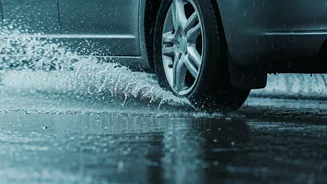
the spare—when they are cold, and inflate them to the manufacturer's recommendation found on the driver's side door jamb. [3, 7] Inspect the tread for wear; if you can see all of Lincoln's head on a penny, it's time for new tires. [7] Next, review your vehicle's fluids. This includes engine oil, coolant, brake fluid, and windshield washer fluid. [8] If the engine oil is dark or gritty, consider getting it changed. [13] Topping off your coolant is crucial to prevent overheating during long drives or traffic jams. [13] Finally, test all your lights: headlights (high and low beams), brake lights, and turn signals. [8] A quick check of your battery terminals for corrosion and ensuring your wiper blades clear the windshield without streaking can save you a lot of trouble. [7, 13]
Assemble Your Roadside Emergency Kit
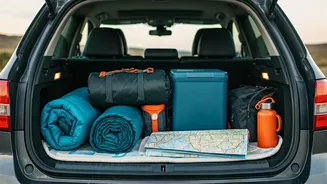
Even a well-maintained car can run into unexpected trouble. A well-stocked emergency kit provides peace of mind and practical help. Your kit should contain items for both you and your vehicle. For the car, essentials include jumper cables or a portable jump starter, a tire pressure gauge, and a basic tool kit with pliers and screwdrivers. [6, 14] A flashlight with extra batteries, road flares or reflective triangles, and duct tape are also invaluable. [1, 5] For personal needs, pack a first-aid kit with bandages, antiseptic wipes, pain relievers, and any personal medications. [6, 14] Include non-perishable snacks like granola bars, drinking water, and a blanket. [1, 6] A portable phone charger or power bank is non-negotiable to ensure you can call for help. [6] Depending on your route and the time of year, consider adding items like an ice scraper, a small shovel, or traction aids like cat litter. [1]
Don't Forget The Paperwork
Having the correct documents easily accessible can prevent major headaches. Ensure your driver's license, vehicle registration, and car insurance information are current and stored together, perhaps in your glove compartment. [2, 11] It's also wise to have the contact number for your roadside assistance service saved in your phone. [11, 14] For travel in India, a valid Pollution Under Control (PUC) certificate is one of the most frequently checked documents and is essential. [2, 4] If you are planning to cross state lines, especially in a commercial or rented vehicle, be aware of any state-specific permits or taxes that may be required to avoid delays at checkpoints. [2] While digital copies of documents can often be accepted, keeping physical copies is a reliable backup. [4] If travelling internationally, such as to Canada or Mexico, a passport is a must. [11]
Plan Your Route and Rest Stops
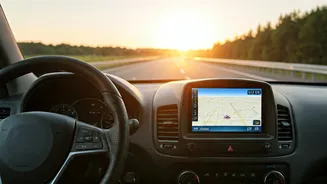
A successful road trip isn't just about the final destination; it's also about managing the journey. Before you leave, map out your general route. Use digital tools like Google Maps, but also consider having a paper map as a backup in areas with poor connectivity. [10, 17] Break your trip into manageable driving segments. Experts recommend driving no more than eight hours a day and taking a break every two to three hours to stretch and refresh. [19] Planning your overnight stops in advance, whether at hotels or campsites, removes the stress of finding a place to stay when you're already tired. [20] Researching potential attractions, restaurants, or scenic detours along your route adds to the adventure. [16] Finally, download offline maps and your favorite playlists or podcasts to stay entertained and on track even when you're off the grid. [20]