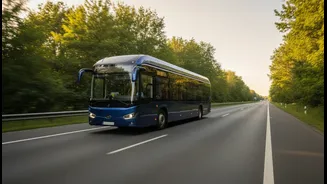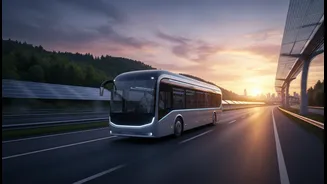




More Than Just a Greener Ride
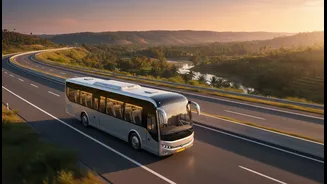
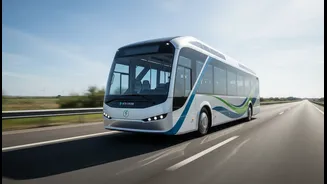
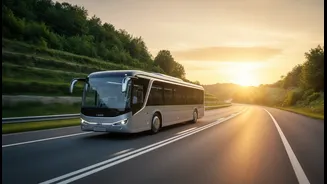
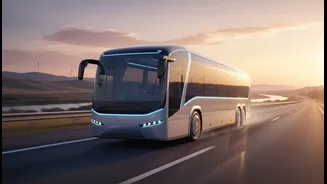
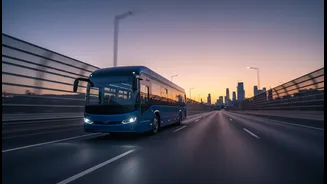
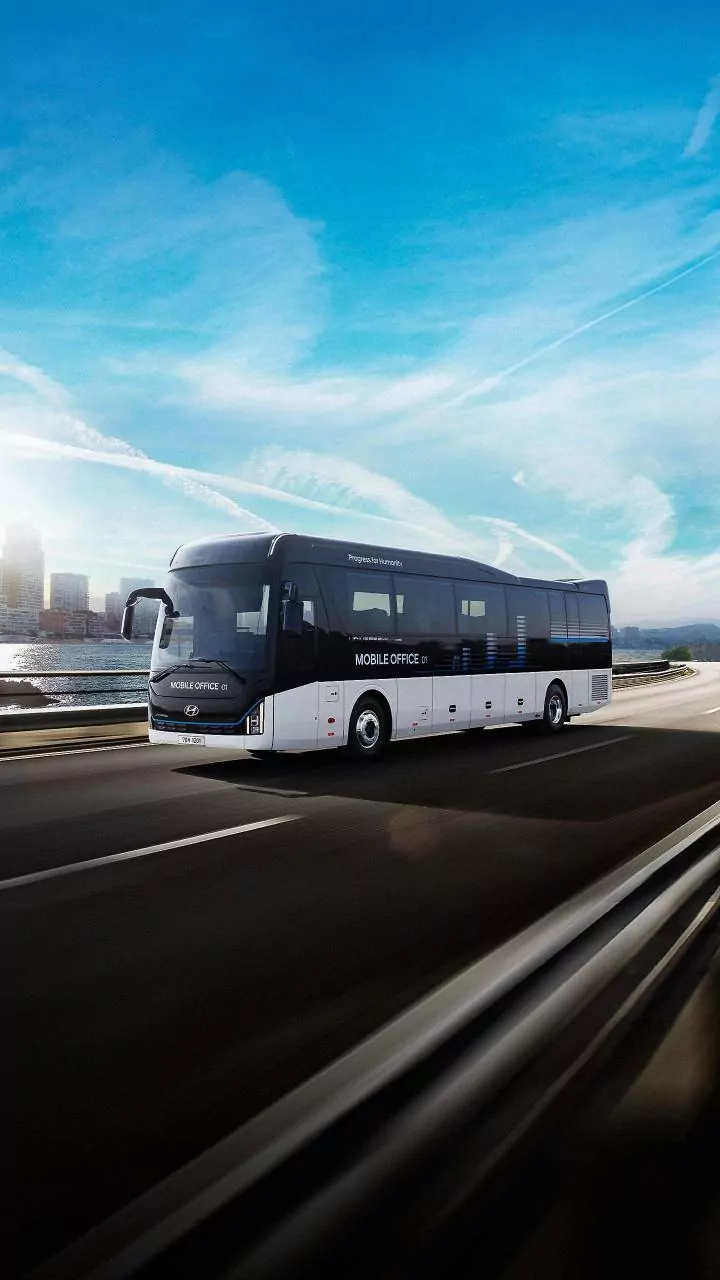
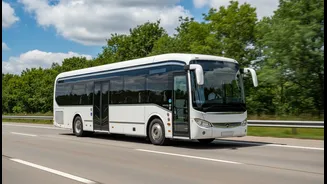
When you picture an electric bus, the first thought is likely environmental. While it's true they produce zero tailpipe emissions, the current wave of premium intercity e-buses is about a fundamental upgrade in passenger experience. Companies like NueGo,
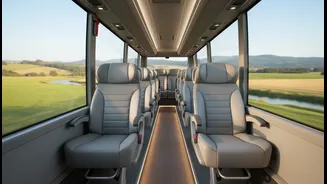
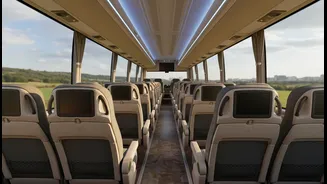
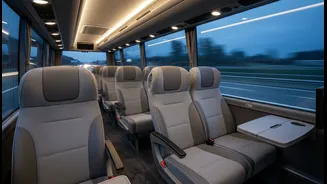
FreshBus, and zingbus are rolling out fleets that target comfort and technology. Think ergonomic reclining seats, individual charging ports, onboard Wi-Fi, and a near-silent, vibration-free journey. This isn't just about replacing diesel with electric; it's about challenging trains and even flights by offering a superior level of comfort and convenience on routes connecting major hubs like Bengaluru, Hyderabad, Chennai, and Pune. The strategy is clear: position electric buses not just as the green choice, but as the premium one.
The Economics of Electric
For operators, the appeal of electric buses goes beyond marketing. While the initial purchase price of an e-bus can be more than double that of a comparable diesel model, the operational savings are significant. The cost of electricity for a long-distance route can be drastically lower than diesel, especially with volatile fuel prices. On a route like Hyderabad-Bengaluru, monthly fuel costs can drop from around ₹8 lakh for a diesel bus to approximately ₹1.5 lakh for an electric one. This economic advantage allows operators to offer competitive, stable fares and invest in better amenities. Government support, through schemes like FAME (Faster Adoption and Manufacturing of Electric Vehicles), has also been crucial in subsidising the high upfront cost for state transport and, increasingly, for private operators venturing into intercity routes.
Connecting Bharat, One Charge at a Time
Perhaps the most significant impact of this transition is on national connectivity. Buses have long been the backbone of travel in India, especially for tier-2 and tier-3 cities where rail and air links can be limited or inconvenient. The rise of organised, tech-led intercity bus networks is making travel more reliable and accessible. Companies are expanding aggressively into southern and western India, connecting dozens of smaller towns to major economic centres. This enhanced mobility is vital, linking people to jobs, education, and business opportunities, and powering economic and social movement across 'Bharat'. As these networks grow, they fill critical gaps left by other transport modes, making the country smaller and more integrated.
Roadblocks on the Green Highway
Despite the momentum, the path to a fully electric intercity network is not without its challenges. The most significant hurdle is the lack of widespread highway charging infrastructure. While depot-based charging works for city buses, long-distance routes require a network of en-route fast chargers that simply doesn't exist at scale yet. This creates range anxiety for operators and can lead to service disruptions, such as lengthy recharging stops on long journeys. Other issues include the high initial capital cost for private operators, uncertainty around battery life and degradation, and a fragmented supply chain that can cause delays in vehicle delivery. Overcoming these structural roadblocks will be key to unlocking the full potential of e-bus adoption.