







The Unseen Damage Beneath Our Parks
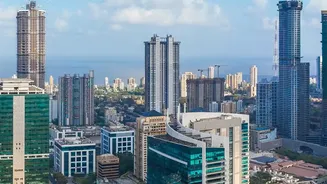
Across India, from Mumbai to Chennai, urban flooding is an increasingly familiar challenge. While we focus on damaged infrastructure and waterlogged homes, the health of our city parks, gardens, and green belts is also at severe risk. When soil is submerged
for an extended period, the consequences are profound. Water fills the tiny air pockets in the soil, creating an oxygen-deprived, or anaerobic, environment. This is catastrophic for the countless microscopic organisms that form the foundation of healthy soil. Aerobic bacteria, which require oxygen to survive, are essential for breaking down organic matter and making nutrients available to plants. When they die off, the soil's entire ecosystem is thrown into disarray. The very lifeblood of the soil is choked out, leaving it compacted, unhealthy, and unable to support robust plant life. This not only affects the beauty of our parks but also their ability to perform crucial functions like filtering water and cooling the air.
Life Finds a Way: The Microbial Response
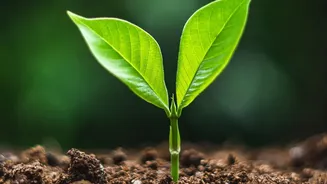
However, recent environmental research sheds light on the remarkable resilience of these microbial communities. While many beneficial bacteria are wiped out, the studies show that nature has a recovery plan. In the immediate aftermath of a flood, hardier anaerobic bacteria, which thrive in low-oxygen conditions, begin to dominate. But as the water recedes and oxygen gradually returns to the soil, a slow but steady recovery process begins. Research indicates that many microbial communities can show signs of recovery within about three weeks, provided the conditions are right. Some studies noted that while the initial flood causes a dramatic shift, the soil's bacterial population can eventually return to a state similar to that of non-flooded soil, especially in soils rich with organic matter. This natural resilience is the key. Understanding this process—who dies, who survives, and who comes back—is the first step toward helping it along.
A Blueprint for Healing Flooded Soil
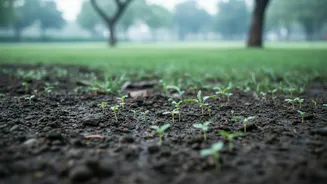
This new understanding provides a practical blueprint for urban gardeners, park managers, and city officials. The primary goal is to help reintroduce oxygen and support the recovery of beneficial aerobic bacteria. The first rule is patience: avoid compacting the soil further by walking on it or using heavy machinery while it is still waterlogged. Once the soil begins to dry, gentle aeration can help. Instead of aggressive tilling, which can destroy the fragile recovering soil structure, consider adding organic matter. Applying a layer of good-quality compost can reintroduce beneficial microbes and provide food for the recovering populations. Some experts suggest that cover crops, even temporary ones like rye or wheat, can be invaluable. Their roots help to dry out the soil, create channels for air and water, and sustain the microbial community that is essential for long-term health. These simple, nature-based steps can significantly accelerate the healing process.
Designing Resilient Green Spaces
Beyond immediate recovery, this research informs how we can design more flood-resilient cities. The focus is shifting from simply moving water away as fast as possible to creating urban landscapes that can absorb and manage it. This concept, often called 'green infrastructure', involves using natural systems to handle stormwater. Techniques like building bioswales (vegetated channels that slow and filter water), creating rain gardens, and protecting urban wetlands are crucial. In India, where monsoon rains are a reality, integrating these strategies into urban planning is not a luxury but a necessity. By preserving and creating more green spaces designed to handle water, we not only reduce the risk of destructive flooding but also ensure that our urban soils are robust enough to bounce back. A park designed with flood resilience in mind can act like a sponge, protecting surrounding areas and ensuring its own ecosystem can survive the stress.