





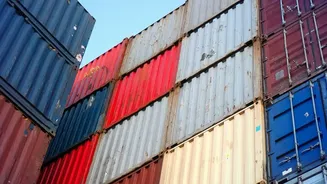
A Trade Relationship on Ice
Since 2019, direct trade between the two neighbours has been formally suspended. The move, initiated by Pakistan following India's constitutional changes in Jammu and Kashmir, brought most official commerce to a halt. The Wagah-Attari land border, once
a bustling artery for goods, now sees little commercial traffic. The only formal exception has been for critical life-saving medicines and pharmaceutical raw materials, a nod to Pakistan's reliance on the Indian pharma industry. Despite this freeze, official data from the State Bank of Pakistan shows that imports from India have surprisingly continued, and even grown, with Pakistan importing goods worth approximately $61.7 million between July and September 2026. This figure, while small compared to past trade volumes, points to a much larger, unofficial story.
The Dubai Detour
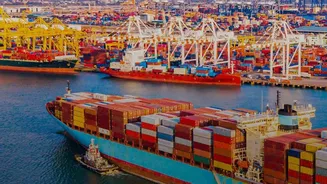
So, how do Indian goods navigate the ban? The most common answer lies in a strategy that reroutes commerce through third countries, with Dubai in the United Arab Emirates being the primary hub. This 'grey-zone' trade is a relatively straightforward, multi-step process. Indian exporters ship their products, be it auto parts or textiles, to Dubai. There, intermediary firms take over. The goods are often stored in bonded warehouses, where they can be held without paying duties. During this transit period, the crucial step happens: the products are re-invoiced and their documentation is altered. Labels are changed to indicate a new country of origin, such as the UAE. From there, the consignment is shipped to Pakistan, arriving as a legitimate import from a friendly trading partner, completely masking its Indian origins.
A Cornucopia of Contraband
The list of Indian products finding their way into Pakistan is extensive and reflects deep-seated market dependencies. While pharmaceuticals and their chemical ingredients are the most critical category, the unofficial trade includes a wide array of goods. Everyday items like tea, coffee, spices, and sugar are common. Industrial and agricultural inputs such as organic chemicals, dyes, cotton, and rubber also make the journey. Furthermore, manufactured items like auto parts, iron, steel, and machinery continue to be sourced from India through these indirect channels. This persistent demand is driven by a combination of factors: competitive pricing, established quality, and, in many cases, a simple lack of viable local or regional alternatives.
The Hidden Costs of a Disconnected Market
While this workaround keeps supply chains moving, it comes at a significant cost. Think-tanks and business leaders estimate this indirect trade adds anywhere from 15% to 25% to the final price of the goods. These extra costs cover shipping, storage, and the fees for the intermediaries who facilitate the relabelling and re-exporting. Ultimately, this premium is paid by Pakistani consumers and industries. According to the Pak-India Business Council, the suspension of direct trade has resulted in immense economic losses for Pakistan, estimated to be as high as $40 billion since 2019. The country's pharmaceutical sector, for example, could save billions annually if it could directly import raw materials from its next-door neighbour instead of from distant markets.
Calls to Reconnect
The inefficiency and high cost of indirect trade have led to growing calls from the Pakistani business community to normalise trade relations with India. Business leaders have repeatedly pointed out that sourcing goods from India is more economical due to geographical proximity, which reduces freight charges and delivery times. Pakistan's former Foreign Minister, Ishaq Dar, has acknowledged the business community's desire for trade resumption, noting that goods are arriving anyway at a higher cost via Dubai and Singapore. Proponents argue that restoring direct trade would not only lower costs for critical industries like textiles and pharmaceuticals but also benefit consumers and create opportunities for broader regional cooperation. However, the political impasse remains the primary obstacle, with any formal resumption of trade tied to broader diplomatic developments between the two nations.