






The Simple Swap That Delivers
The idea of revamping your entire diet can feel overwhelming. It often involves long shopping lists, expensive ingredients, and complicated rules. But what if the most impactful change was also the simplest? The one seasonal swap that can truly transform
your health is this: replace one of your daily refined grain meals (like white rice or wheat rotis) with a seasonal, whole-grain millet. It’s a change rooted in Indian tradition, backed by modern science, and perfectly aligned with the natural rhythm of our country's agriculture.
Why Millets Are a Nutritional Powerhouse
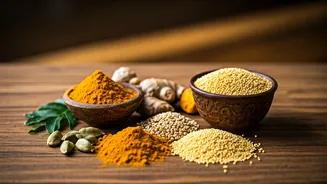
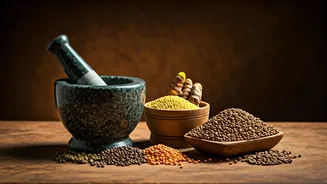
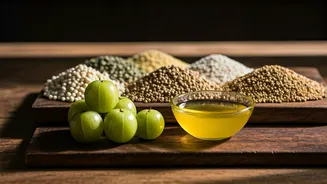
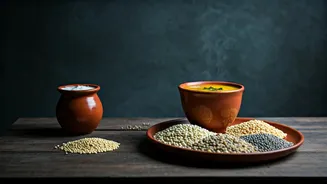
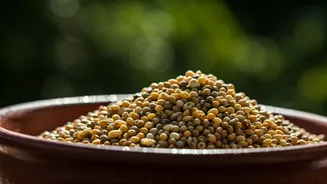
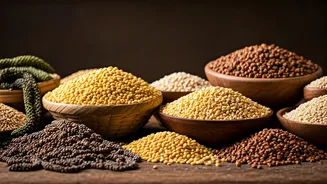
For generations, millets were a staple across India before polished rice and refined wheat took centre stage. Their resurgence is not just about nostalgia; it’s about nutrition. Millets like Jowar (sorghum), Bajra (pearl millet), and Ragi (finger millet) are complex carbohydrates, meaning they release energy slowly and keep you full for longer, preventing midday energy slumps and cravings. They are packed with fibre, which is crucial for good digestion and gut health. Moreover, they are gluten-free and boast a low glycaemic index, making them an excellent choice for managing blood sugar levels. They are also rich sources of essential minerals like iron, magnesium, and phosphorus, which are often lacking in modern diets.
Eating with the Seasons
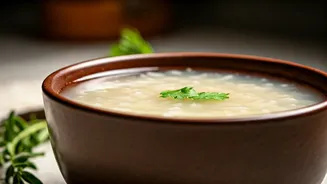
The real magic happens when you align your millet choice with the season. This is not a random suggestion; it's a principle of traditional Indian and Ayurvedic wisdom designed to keep the body in balance. During the scorching summer months, Jowar and Ragi are ideal as they are known for their cooling properties. You can make light, fluffy jowar rotis or a refreshing ragi porridge. Conversely, in the cold winter months, Bajra is the perfect choice. Its warming nature helps the body retain heat and fight off seasonal chills. A hearty bajra khichdi or a classic bajra roti with a dollop of white butter is not just comfort food; it's seasonal medicine.
How to Start Your Millet Journey
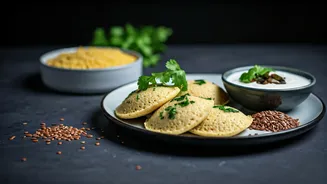
Making the switch doesn't have to be abrupt. Start small. Begin by swapping your regular roti with a Jowar or Bajra roti for one meal, three times a week. You can also mix millet flour with your regular wheat flour to ease into the taste and texture. Try making a simple millet porridge (kanji) for breakfast instead of your usual cereal. Another easy entry point is to substitute rice with millets like foxtail millet (kangni) or barnyard millet (samak ke chawal) when making khichdi, pulao, or even a lemon ‘rice’ dish. They cook just as quickly as rice and absorb flavours beautifully, making the transition seamless.
More Than Just a Diet Change
Embracing this one seasonal swap has benefits that extend beyond your personal health. Millets are true climate warriors. They are hardy crops that require significantly less water than rice and wheat, making them incredibly sustainable in India's varied climates. By choosing millets, you are supporting the livelihoods of small-scale farmers who have been cultivating these resilient grains for centuries. It's a choice that is good for your body, good for the planet, and good for our agricultural economy. It connects your plate to the soil and the season in a meaningful way, turning every meal into a conscious act of wellness.