








The Familiar Monsoon Mayhem
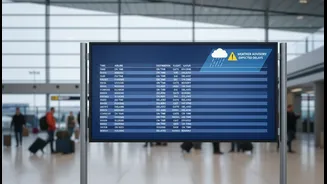
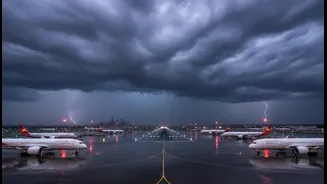
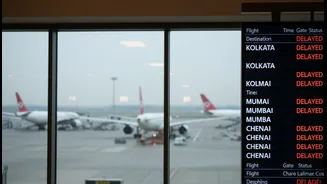
As the monsoon strengthens over Kolkata, flight schedules often weaken. Recent days have seen airlines issuing advisories, warning passengers of potential disruptions due to heavy rain and poor visibility at Netaji Subhas Chandra Bose International Airport
(NSCBIA). It’s a predictable pattern: intense rainfall leads to waterlogging, reduced visibility, and a lower rate of take-offs and landings, causing a domino effect of delays, diversions, and sometimes cancellations that ripple across the country. While airport authorities work to keep runways and taxiways operational, often deploying extra pumps to clear waterlogged parking bays, the sheer volume of rain can overwhelm the system, leaving passengers stranded and frustrated.
What Exactly Is a 'Flight Buffer'?
Amid the talk of delays, the term 'flight buffer' often emerges. It’s not a physical object, but a strategic cushion of time built into an airline's schedule. This practice is also known as schedule padding. Think of it as planned flexibility. Instead of scheduling a 90-minute flight for exactly 90 minutes, an airline might schedule it for 110 minutes. This extra 20-minute buffer is designed to absorb minor, common delays — like air traffic congestion or slightly longer taxiing — without officially making the flight late. The goal is to improve on-time performance statistics, which are a critical measure of an airline's reliability for passengers.
How Buffers Combat Bad Weather
During predictable disruptions like Kolkata's monsoon, buffers become even more crucial. Bad weather forces Air Traffic Control (ATC) to reduce the airport's operational capacity, meaning fewer planes can land and take off per hour. Without a buffer, the first delayed flight creates a backlog that quickly cascades, pushing every subsequent flight further behind schedule. A well-planned buffer acts as a shock absorber. It gives the airline and the airport operational breathing room. If a flight is held on the ground for 15 minutes due to a passing shower, the buffer can absorb that delay, allowing the plane to still potentially arrive on time and preventing that delay from affecting the next flight that aircraft is scheduled to operate.
The Catch: It's Not a Simple Fix
If buffers are so effective, why isn't every flight padded with an extra hour? The answer lies in a complex balancing act between punctuality and productivity. For airlines, time is money. An aircraft only generates revenue when it's flying. Building too much buffer time into a schedule means each plane can operate fewer flights per day, reducing operational efficiency and competitiveness. It also requires intricate coordination between airlines, airport operators, and ATC. Furthermore, under DGCA regulations, while airlines must provide care like food and water for delays, compensation is often not required for disruptions caused by 'force majeure' events like weather, which are outside the airline's control.
A Smarter Approach for Kolkata?
For an airport like NSCBIA, where seasonal disruptions are a known challenge, the discussion around buffers is about building systemic resilience. It's less about individual flight padding and more about a holistic approach. This could involve more strategic scheduling during peak monsoon months and leveraging technology like predictive analytics to anticipate disruptions before they happen. By correlating weather patterns with flight delay data, airport operators can move from a purely reactive mode—delaying flights when rain gets heavy—to a proactive one, adjusting gate allocations and ground operations in advance. This smarter management, combined with adequate scheduling buffers, is key to mitigating the seasonal chaos and providing a more reliable experience for travellers.